
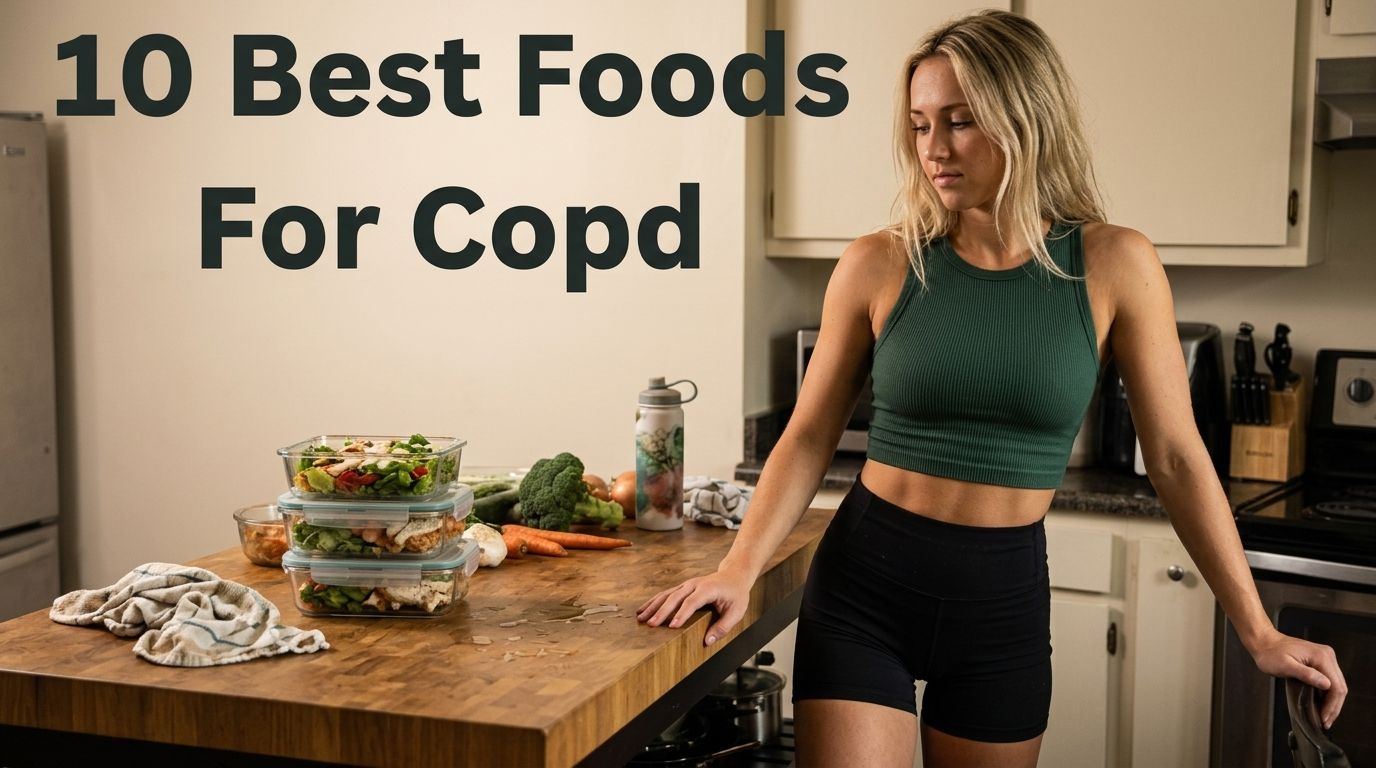
COPD is a chronic lung disease that narrows airways and traps air in the lungs, making every breath harder than the last. It affects over 300 million people worldwide, and while medication helps manage symptoms, diet is one of the most overlooked tools for supporting lung function.
People with COPD burn up to 10 times more calories just breathing than healthy individuals do. That means malnutrition is common, muscle wasting is a real risk, and food choices directly affect how well the lungs and respiratory muscles perform. The right foods reduce inflammation, maintain energy, and help clear airways. The wrong ones increase CO2 load, cause bloating, and make breathing harder.
Eat Proteins covers the 10 best foods for COPD backed by nutrition science, from fatty fish and leafy greens to eggs and olive oil, along with the eating strategies that help people breathe easier every day.
Why Does Diet Matter So Much for COPD Patients?
Diet for COPD patients directly affects breathing workload, respiratory muscle strength, and airway inflammation — three factors that determine how well someone functions day to day.
Think of it this way: every meal either adds to the body’s burden or lightens it. Simple carbohydrates produce more CO2 during metabolism, which forces the lungs to work harder to exhale it. Protein and healthy fats produce far less CO2 per calorie, giving the respiratory system a real break.
Here’s why this matters: COPD patients already have lungs working at reduced capacity. Adding a high-CO2 metabolic load on top of that is like running a car engine with a clogged exhaust. The right diet doesn’t just support nutrition — it reduces the mechanical burden on the lungs themselves.
How Does Malnutrition Worsen COPD Symptoms?
Malnutrition in COPD causes the respiratory muscles to weaken, reduces the body’s ability to fight infection, and accelerates the loss of lung function over time.
The diaphragm and intercostal muscles are working overtime in every COPD patient. Without adequate protein and calories, those muscles break down. Studies show that underweight COPD patients have significantly worse FEV1 scores and higher hospitalization rates than those who maintain a healthy weight.
Bottom line: food is respiratory medicine for COPD patients. Skipping meals or eating poorly isn’t just a nutrition issue. It’s a breathing issue.
How Many Calories Do COPD Patients Actually Need?
COPD patients typically need up to 10 times more calories just for breathing than a healthy person does, making their total daily caloric needs significantly higher than average.
A healthy person uses about 36 to 72 calories per day on breathing. A person with severe COPD can burn 430 to 720 calories just moving air in and out. That’s before any physical activity, digestion, or basic metabolic function.
Daily calorie and protein targets for COPD:
- Calories: 110 to 150% of estimated energy needs
- Protein: 1.2 to 1.7g per kg of body weight per day
- Fat: 40 to 55% of total calories (reduces CO2 production)
- Carbohydrates: favor complex over simple, limit to 40% or less
- Meal frequency: 5 to 6 small meals per day
Is Fatty Fish One of the Best Foods for COPD?
Yes. Fatty fish delivers EPA and DHA omega-3 fatty acids that directly reduce airway inflammation and have been shown to improve lung function in COPD patients.
Salmon, mackerel, sardines, and tuna are the top choices. Omega-3s work by competing with inflammatory arachidonic acid pathways, shifting the body toward less inflammation in the bronchial tissue. Research consistently links higher omega-3 intake with better preserved lung function in obstructive lung disease.
What’s more, fatty fish is calorie-dense and high in complete protein, two things COPD patients need in every meal. A 4-ounce (113g) serving of salmon delivers roughly 25g of protein and over 1,500mg of combined EPA and DHA.
How Often Should COPD Patients Eat Fatty Fish?
COPD patients benefit most from eating fatty fish two to three times per week, which keeps omega-3 levels consistently elevated in the blood and airways.
Canned wild salmon and canned sardines are affordable options that require no cooking energy, an important practical factor for COPD patients who fatigue easily during meal prep. Eating smaller, ready-to-serve portions also fits the 5-6 small meals-per-day pattern that prevents diaphragm compression from large meals.
Do Fruits and Berries Actually Help COPD Patients Breathe Better?
Yes. Fruits and berries supply vitamins C and E, quercetin, and beta-carotene — antioxidants that protect lung tissue from the oxidative damage that accelerates COPD progression.
In fact, vitamin C intake is inversely correlated with COPD severity. People who eat more vitamin C consistently show better lung function scores. Apples, strawberries, blueberries, and tomatoes are particularly powerful because they combine multiple antioxidant classes in a single food.
Quercetin, found in apples and red grapes, has shown bronchodilatory effects in lab studies. It’s not a replacement for medication, but it’s a meaningful dietary support tool that most COPD patients aren’t using enough of.
Which Fruits Are the Highest Priority for COPD Patients?
The highest-priority fruits for COPD are apples, strawberries, blueberries, kiwi, and tomatoes, each offering a distinct antioxidant profile that targets different aspects of lung inflammation and oxidative damage.
Top fruits for COPD by nutrient benefit:
| Fruit | Key Nutrient | COPD Benefit |
|---|---|---|
| Strawberries | Vitamin C | Antioxidant protection, collagen repair |
| Blueberries | Anthocyanins | Reduce airway oxidative stress |
| Apples | Quercetin | Anti-inflammatory, possible bronchodilation |
| Kiwi | Vitamins C + E | Dual antioxidant defense |
| Tomatoes | Lycopene | Lung tissue protection |
Are Vegetables Important for People With COPD?
Yes. Vegetables provide anti-inflammatory compounds, fiber, and essential vitamins that support immune function and reduce the chronic inflammation driving COPD progression.
Leafy greens like kale, spinach, and Swiss chard are especially valuable. They’re rich in vitamin K, folate, magnesium, and potassium, a mineral critically important for COPD patients because bronchodilator medications frequently deplete it.
Short answer: vegetables belong at every meal. The goal is variety across color groups to cover multiple antioxidant and anti-inflammatory pathways simultaneously.
Should COPD Patients Avoid Cruciferous Vegetables?
No. Cruciferous vegetables are not off-limits for COPD patients, but large quantities in a single sitting can cause gas and bloating that puts upward pressure on the diaphragm and worsens breathlessness.
Broccoli, cauliflower, and cabbage are nutritionally excellent. They contain sulforaphane and isothiocyanates with real anti-inflammatory effects. The solution isn’t avoidance. It’s portion control. A half-cup cooked serving at each small meal avoids the gas problem while delivering the benefits.
Do Whole Grains Help COPD Patients Maintain Energy?
Yes. Whole grains provide complex carbohydrates that release energy slowly, avoiding the CO2 spike that simple carbs produce during metabolism and that forces compromised lungs to work harder.
Here’s why: carbohydrate metabolism produces more CO2 per unit of oxygen consumed than fat metabolism does. This ratio is called the respiratory quotient (RQ). Simple carbs have a high RQ, which is a direct problem for lungs that already struggle to exhale CO2. Oats, quinoa, brown rice, and barley have a lower glycemic impact and fit the low-CO2 energy model better than white bread or sugary cereals.
Our nutritionists at Eat Proteins consistently recommend oatmeal as a first meal for COPD patients. It’s easy to prepare, soft to eat when breathlessness reduces appetite, calorie-dense per serving, and provides steady energy without the CO2 burden of refined grains.
Which Whole Grains Are Easiest for COPD Patients to Prepare and Digest?
The easiest whole grains for COPD patients are oats, quinoa, and soft-cooked brown rice, because they require minimal prep effort, digest well without causing bloating, and deliver lasting energy without blood sugar spikes.
Whole grain options ranked for COPD suitability:
- Rolled oats — minimal prep, soft texture, high fiber, sustained energy
- Quinoa — complete protein, cooks in 15 minutes, no gas issues
- Brown rice — versatile, pairs with lean protein and vegetables easily
- Barley — high beta-glucan fiber, good for blood sugar control
- Whole grain bread — convenient, but watch sodium content on labels
Are Nuts and Seeds Good for COPD Patients?
Yes. Nuts and seeds deliver omega-3 fatty acids, vitamin E, magnesium, and healthy calories in a compact form that’s easy for COPD patients to eat during small frequent meals.
Walnuts are particularly valuable because they contain the highest plant-based omega-3 content of any nut. Chia seeds and flaxseed are the plant-based omega-3 leaders in the seed category. Both convert partially to EPA in the body, providing anti-inflammatory support between fish meals.
The bad news? Most people eat nuts as an occasional snack rather than a daily staple. For COPD patients, a daily 1-ounce (28g) portion of walnuts plus a tablespoon of ground flaxseed added to oatmeal or yogurt is a simple, high-impact habit.
Does Magnesium From Nuts Benefit COPD Patients Specifically?
Yes. Magnesium supports bronchial smooth muscle relaxation, which helps keep airways open and reduces the work of breathing for COPD patients who already face significant airway resistance.
Almonds, cashews, and pumpkin seeds are the highest magnesium sources in this food group. Magnesium deficiency is common in COPD, partly because many patients have poor overall nutrition intake and partly because some medications increase magnesium excretion. A daily handful of mixed nuts helps address this gap.
Ready to build a better eating plan? Get a proven nutrition plan tailored to your health needs.
Are Eggs a Good Food for COPD Patients?
Yes. Eggs are one of the most practical high-protein foods for COPD because they’re easy to prepare, easy to chew, and deliver complete protein with vitamin D in a compact, low-volume serving.
Vitamin D deficiency is widespread in COPD patients and linked to worse lung function scores and higher exacerbation rates. Eggs are one of the few dietary sources of vitamin D, making them doubly valuable. Two eggs provide about 12g of complete protein and 80 IU of vitamin D with minimal preparation effort.
When appetite is low from breathlessness or fatigue, eggs are often the easiest protein source to get down. Scrambled, poached, or soft-boiled, they fit the small-meal pattern that prevents diaphragm compression from large portions.
How Many Eggs Can COPD Patients Safely Eat Per Day?
COPD patients can safely eat one to two eggs daily as part of a varied diet, and current evidence does not support restricting egg intake for people without existing cardiovascular complications.
The concern about dietary cholesterol from eggs has been largely revised in modern nutrition research. For COPD patients focused on maintaining protein intake and preventing muscle wasting, the benefits of eggs outweigh historical concerns about cholesterol for most people. Anyone with specific cardiovascular conditions should consult their physician.
Does Lean Poultry Support Respiratory Muscle Strength in COPD?
Yes. Lean chicken and turkey provide high-quality complete protein without the saturated fat load of red meat, making them ideal for building and preserving the respiratory muscles that COPD patients depend on for every breath.
Protein targets for COPD run between 1.2 and 1.7 grams per kilogram of body weight per day. For a 68 kg (150 lb) person, that’s 82 to 116g of protein daily. Chicken breast delivers 31g per 4-ounce (113g) serving, making it one of the most efficient protein sources available.
High-protein foods ranked for COPD suitability:
| Food | Protein per serving | Notes |
|---|---|---|
| Chicken breast (4oz/113g) | 31g | Low fat, easy to prepare in bulk |
| Turkey breast (4oz/113g) | 29g | Low sodium options available |
| Canned salmon (4oz/113g) | 25g | Adds omega-3s, no cooking required |
| Eggs (2 large) | 12g | Quick, soft, vitamin D source |
| Greek yogurt (6oz/170g) | 17g | Calcium and protein in one |
Is Protein Intake the Most Important Nutritional Factor for COPD Patients?
Yes. Protein intake is the single most critical nutritional variable for COPD patients because the diaphragm and accessory respiratory muscles are in constant high-demand use and break down rapidly without adequate daily protein.
Batch cooking on better days prevents the cycle where fatigue leads to skipped meals. A few hours of prep on a good day, roasting chicken, cooking grains, cutting fruit, can cover 3 to 4 days of easy small meals that require no effort to assemble when breathlessness and fatigue are high.
Is Olive Oil a Good Fat Source for COPD Patients?
Yes. Olive oil provides monounsaturated fat and anti-inflammatory polyphenols that reduce airway inflammation while delivering calorie-dense energy that doesn’t spike CO2 production the way carbohydrates do.
Fat metabolism produces a lower respiratory quotient than carbohydrate metabolism. For COPD patients, eating more of their calories from healthy fat and less from simple carbs directly reduces the CO2 the lungs must exhale. Extra virgin olive oil is the gold standard in this category because it combines the metabolic fat benefit with polyphenol anti-inflammatory activity.
In fact, the Mediterranean diet, which centers olive oil as the primary fat source, is consistently associated with better lung function and slower COPD progression in large observational studies. Drizzling olive oil on vegetables, using it in cooking, and adding it to grains are all simple daily strategies.
Does the Mediterranean Diet Specifically Help COPD Patients?
Yes. The Mediterranean diet is associated with better preserved lung function, fewer COPD exacerbations, and slower disease progression, making it one of the most evidence-supported dietary patterns for this condition.
The diet combines fatty fish, olive oil, vegetables, fruits, legumes, and whole grains into a pattern that addresses inflammation, oxidative stress, and CO2 production simultaneously. Our coaches at Eat Proteins point to it as the most practical framework for COPD patients because it doesn’t require eliminating entire food groups. It just shifts the ratio toward the foods that help and away from those that hurt.
Does Hydration Affect COPD Symptoms?
Yes. Adequate hydration thins mucus secretions in the airways, making them easier to clear and reducing the breathing obstruction that mucus buildup creates in COPD patients.
Think of it this way: thick, sticky mucus in narrowed airways is like a clog in an already narrow pipe. Water thins that mucus, making coughing more effective and reducing the sensation of chest tightness after clearing. The target for most COPD patients is 6 to 8 cups of water per day, spread across small amounts throughout the day to avoid stomach fullness that pushes up on the diaphragm.
Warm water and herbal teas are preferable to carbonated beverages. Carbonated drinks create gas and diaphragm pressure that directly worsens breathlessness, something COPD patients feel immediately.
Which Beverages Should COPD Patients Avoid?
COPD patients should avoid carbonated drinks, sugary sodas, and alcohol, all of which either increase bloating, add empty carbohydrate load, or interact with respiratory medications.
Beverage guide for COPD patients:
| Beverage | COPD Status | Reason |
|---|---|---|
| Water | Best choice | Thins mucus, no side effects |
| Herbal tea | Good | Warm, hydrating, no gas |
| Diluted juice | Moderate | Antioxidants, watch sugar content |
| Coffee (1 cup) | Moderate | Mild bronchodilation, limit quantity |
| Carbonated drinks | Avoid | Gas, bloating, diaphragm pressure |
| Sugary sodas | Avoid | High CO2-producing carbs, zero nutrients |
What Foods Should COPD Patients Avoid?
COPD patients should avoid simple carbohydrates, salty processed foods, fried foods, carbonated drinks, and large quantities of gas-producing vegetables, because each of these directly worsens breathing difficulty.
Simple carbs are the biggest metabolic problem. White bread, sugary cereals, pastries, and sweetened drinks all carry a high respiratory quotient, meaning the lungs must exhale significantly more CO2 after eating them. For lungs already struggling to clear CO2, that’s a direct trigger for breathlessness after meals.
Salt causes fluid retention and bloating, both of which increase the mechanical burden on the chest. Fried foods promote systemic inflammation that compounds the airway inflammation already driving COPD. The pattern is consistent: highly processed foods actively worsen the disease, while whole foods actively support it.
Does Dairy Worsen COPD Symptoms?
Whole milk dairy can increase mucus production in some COPD patients, making airway clearance harder, though low-fat dairy and dairy alternatives don’t carry the same risk and remain valuable for calcium and protein intake.
Calcium is particularly important for COPD patients because corticosteroid medications used to manage the disease accelerate bone loss. Osteoporosis risk is significantly elevated in this population. Low-fat Greek yogurt, fortified almond milk, and low-fat cheese provide the calcium benefit without the mucus concern associated with whole milk.
What Eating Strategies Help COPD Patients Get Enough Nutrition?
COPD patients benefit most from eating 5 to 6 small meals per day, choosing calorie-dense foods, preparing meals in advance, and eating their largest meal when energy levels are highest, usually in the morning.
Large meals push the full stomach up against the diaphragm, restricting lung expansion and causing immediate breathlessness after eating. This leads many COPD patients to eat less, which accelerates malnutrition and muscle wasting. Small, frequent meals avoid diaphragm compression while keeping calorie and protein intake at the levels the body needs.
Key supplements for COPD patients to discuss with their physician:
- Vitamin D3: 1,000 to 2,000 IU daily (deficiency linked to worse lung function)
- Magnesium glycinate: 200 to 400mg daily (supports bronchial muscle relaxation)
- Omega-3 fish oil: 1 to 2g EPA+DHA daily (anti-inflammatory airway support)
- Potassium: as directed (depleted by bronchodilator medications)
- Vitamin C: 500 to 1,000mg daily (antioxidant lung protection)
Ready to Build a COPD-Friendly Eating Plan With Eat Proteins?
Breathing easier starts on the plate. The 10 best foods for COPD — fatty fish, berries, leafy greens, whole grains, nuts, eggs, lean poultry, olive oil, low-fat dairy, and water — work together to reduce inflammation, fuel respiratory muscles, and keep airways clear.
Most COPD patients aren’t eating for their lungs. The gap between what they eat and what their respiratory system actually needs is where symptoms get worse faster than they should. A structured plan closes that gap without requiring a complete diet overhaul.
Eat Proteins makes it simple. The free plan lays out exactly what to eat, when to eat it, and how to build the small-meal habit that keeps energy up and breathlessness down. Don’t leave lung function on the table.