
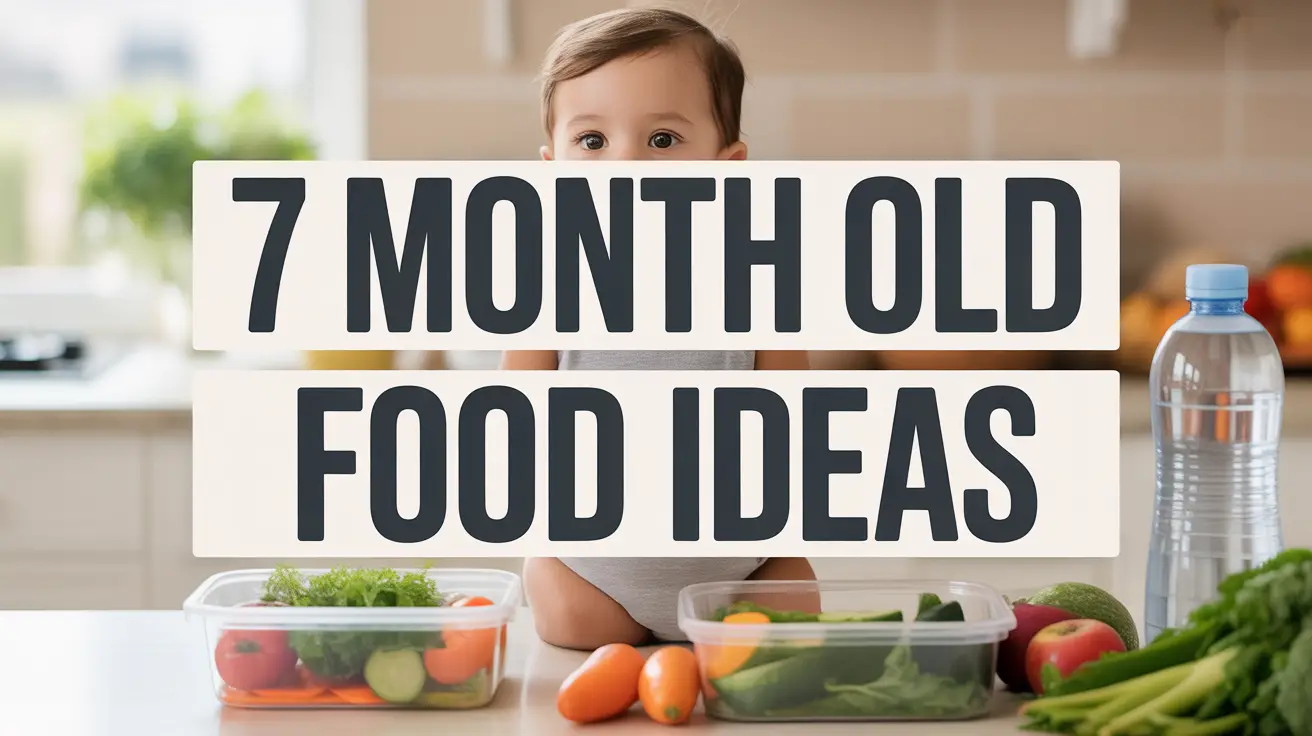
At seven months, your baby is ready to explore a wider world of flavors and textures. Solid foods now play a growing role in nutrition, and choosing the right options builds healthy habits from the very beginning.
Iron becomes the most urgent nutrient at this stage as natural stores deplete after six months, making iron-fortified cereals and pureed chicken essential early choices. Sweet potato, carrot, and banana round out a balanced plate, while plain yogurt adds probiotics and calcium. Steaming preserves nutrients best, and textures should gradually shift from smooth purees toward lumpier consistencies as your baby grows more confident.
Understanding what to feed, what to avoid, and how to pace meals sets your baby up for lifelong healthy eating. This guide covers safe food choices, allergen introduction, portion guidance, and meal timing so you can approach every feeding session with confidence.
What Can a 7-Month-Old Eat?
A 7-month-old baby can eat a wide variety of soft, nutrient-dense foods spanning all major food groups, including pureed fruits, vegetables, grains, and proteins, while breast milk or formula remains the primary nutrition source throughout this stage. Solid foods at this age play a complementary role, building new skills and expanding nutrition alongside milk feeds.
Complementary foods fill nutritional gaps that breast milk or formula alone cannot fully cover after 6 months. The CDC recommends starting with iron-rich options and steadily expanding variety across all food groups to support whole-body development.
Is a 7-Month-Old Ready for Solid Foods?
Yes. A 7-month-old typically shows clear readiness signs for solid foods, including sitting upright with minimal support, showing interest in food adults eat, and losing the tongue-thrust reflex that previously pushed food out of the mouth. These signs confirm the digestive and motor systems are prepared for the transition.
Most health authorities recommend starting solids around 6 months. By 7 months, babies generally manage smooth to slightly lumpy textures well. Some can begin exploring soft finger foods alongside purees. Breast milk and formula remain the primary nutrition source throughout.
Key readiness signs to look for:
- Sits upright with minimal support
- Shows clear interest in food adults are eating
- Has lost the tongue-thrust reflex
- Can move food to the back of the mouth
- Opens mouth when a spoon approaches
What Nutrients Does a 7-Month-Old Need Most?
Iron is the most critical nutrient to prioritise at 7 months, as the iron stores a baby is born with begin to deplete around 6 months, making iron-rich solid foods essential for brain development and the prevention of anaemia. Pureed meats, fish, beans, lentils, tofu, and iron-fortified cereals all deliver meaningful iron at this stage.
Beyond iron, 7-month-olds need zinc from meat and legumes, vitamin C from fruits and vegetables to boost iron absorption, calcium from dairy and fortified foods, and healthy fats from avocado and full-fat dairy to fuel rapid brain growth.
Key nutrients at 7 months:
- Iron: pureed meats, lentils, beans, iron-fortified cereals
- Zinc: meat, legumes, tofu
- Vitamin C: fruits and vegetables (boosts iron absorption)
- Calcium: dairy products, fortified foods
- Healthy fats: avocado, full-fat dairy
What Are the Best First Foods for a 7-Month-Old?
The best first foods at 7 months span all food groups and include pureed vegetables such as sweet potato, carrot, pumpkin, pea, and broccoli, pureed fruits such as apple, banana, pear, mango, and peach, iron-fortified cereals, pureed proteins, and full-fat dairy options like plain yogurt. Variety from the start sets the foundation for a healthy diet.
Introducing a wide range of flavours early, including bitter vegetables like broccoli and cauliflower, builds a more adventurous palate. Research shows babies exposed to diverse tastes between 6 and 12 months are more likely to accept varied foods as they grow.
What Purees Work Best at This Stage?
Vegetable purees that work best at 7 months include sweet potato, carrot, pumpkin, pea, broccoli, butternut squash, spinach, and cauliflower, all steamed or baked without oil, salt, or seasoning, then blended to a smooth consistency and frozen in small portions for convenience.
Ripe fruits including apple, banana, pear, mango, peach, and blueberry make excellent first purees. Soft fruits like banana and ripe avocado need no cooking at all. Harder fruits like apple need steaming before blending. No added sugar is necessary at any stage of early feeding.
Best first purees by category:
| Category | Best Options | Prep Needed? |
|---|---|---|
| Vegetables | Sweet potato, carrot, pumpkin, pea, broccoli | Steam or bake, then blend |
| Fruits (soft) | Banana, ripe avocado, ripe mango | No cooking needed |
| Fruits (firm) | Apple, pear, peach, blueberry | Steam before blending |
What Grains and Cereals Are Safe at 7 Months?
Iron-fortified cereals are the ideal first grain choice at 7 months, with oat, rice, barley, and millet-based options delivering both iron and carbohydrates in one food, mixed with breast milk or formula to reach a thin, smooth, spoonable consistency that babies accept easily.
Beyond fortified cereals, soft-cooked whole grains work well at this age. Well-cooked oatmeal, porridge, soft pasta, mashed potato, mashed sweet potato, and quinoa are all appropriate options. Hard, crunchy, or dry textures pose choking risks and must be avoided.
What Protein Foods Are Safe for a 7-Month-Old?
Protein foods safe at 7 months include pureed chicken, turkey, beef, lamb, boneless fish, eggs, tofu, beans, lentils, chickpeas, and split peas, with iron-rich protein sources being especially important because iron directly supports brain development and prevents iron-deficiency anaemia in the first year.
Meats and fish must be cooked thoroughly and pureed or finely mashed to a smooth, lump-free texture. Mixing pureed meat with vegetable puree improves palatability for many babies. Tofu and legumes blend smoothly and offer complete plant-based protein alternatives for families who prefer them.
Safe protein foods at 7 months:
- Chicken, turkey, lean beef, lamb (cooked thoroughly, pureed)
- Boneless fish: cod, haddock, salmon, tilapia
- Eggs (well cooked, scrambled or pureed)
- Tofu (silken or soft, blended smooth)
- Beans, lentils, chickpeas, split peas
Can a 7-Month-Old Eat Meat?
Yes. Meat is safe and actively recommended from 6 months for its iron and zinc content, with chicken, turkey, lean beef, and lamb all working well when cooked thoroughly, stripped of all bones, and blended with liquid to achieve a smooth, safe, lump-free consistency for a 7-month-old.
Fish is an excellent protein and omega-3 source for 7-month-olds. Low-mercury options including cod, haddock, salmon, and tilapia are the safest choices. Always verify that no bones remain before pureeing. Well-cooked fish blends to a smooth texture with minimal effort.
What Dairy Foods Are Safe at 7 Months?
Full-fat plain yogurt and small pieces of hard cheese are both safe from around 6 months, with full-fat unsweetened yogurt being the preferred option because it contains no added sugars, while whole cow’s milk is appropriate in cooking from 6 months but must not replace breast milk or formula as a drink until 12 months.
Full-fat dairy products supply essential saturated fats that support brain development throughout the first year. Low-fat and reduced-fat dairy options are not appropriate for babies under 2 years. Full-fat versions deliver the calorie density needed to fuel a baby’s rapid growth rate.
For parents looking to support their own nutrition while caring for a newborn, this evidence-based nutrition guide covers practical eating strategies for busy new parents.
Can a 7-Month-Old Start Finger Foods?
Some 7-month-olds can begin exploring soft finger foods once they sit upright steadily and bring objects to their mouth reliably, provided every food offered is soft enough to mash with gums and cut to pea-sized pieces or stick shapes that are easy to grip and swallow safely. Not all babies reach this milestone at the same time.
Baby-led weaning introduces soft solid foods in stick or finger shapes from the start, skipping purees entirely. At 7 months, appropriate baby-led weaning foods include steamed broccoli florets, avocado strips, soft-cooked carrot sticks, and ripe banana pieces cut into manageable shapes.
What Finger Foods Are Safe at 7 Months?
Safe finger foods at 7 months include soft-cooked vegetable sticks such as carrot, broccoli, sweet potato, and green bean, ripe fruit pieces such as banana, peach, pear, and mango, scrambled egg pieces, small tofu cubes, and meltable soft grain foods like toast strips that dissolve quickly in the mouth.
All finger foods at 7 months must be cut to pea-sized pieces or offered in stick shapes the baby can grip. Pieces that are too small can be swallowed safely; pieces too large increase choking risk. Round shapes that can fully block the airway must always be avoided.
Safe finger food options at 7 months:
- Soft-cooked carrot, broccoli, sweet potato, and green bean sticks
- Ripe banana, peach, pear, and mango pieces
- Scrambled egg pieces
- Small soft tofu cubes
- Toast strips that dissolve quickly
- Avocado strips
What Foods Are Choking Hazards at 7 Months?
Choking hazards to avoid completely include whole grapes, whole cherry tomatoes, popcorn, whole nuts, dried fruit such as raisins, marshmallows, hard candies, gummies, and chewable vitamins, with round, hard, sticky, and difficult-to-swallow foods posing the highest risk of airway obstruction in babies under 12 months.
Always supervise a baby during every eating session. Remove all seeds, pits, and hard skins before serving. Cook vegetables until fully soft throughout. Cut grapes and cherry tomatoes into quarters lengthways. A baby must never be left unattended with food of any kind.
Foods to avoid completely before 12 months:
- Whole grapes and whole cherry tomatoes
- Popcorn and whole nuts
- Dried fruit (raisins, apricots, dates)
- Marshmallows, hard candies, and gummies
- Chewable vitamins
- Any round, hard, or sticky food
What Does a 7-Month-Old Meal Schedule Look Like?
A typical 7-month meal schedule includes breast milk or formula as the primary nutrition source across 4 to 5 feeds per day, alongside 2 to 3 solid food sessions offered at separate times, with solid meals timed either before or after milk feeds depending on what works best for the individual baby and family.
There’s no single correct order for milk feeds versus solid meals at 7 months. Some families offer solids first to build appetite for new foods. Others offer milk first to ensure core nutritional needs are met. Following the baby’s hunger and fullness cues throughout each day is the most reliable guide.
How Many Meals a Day Does a 7-Month-Old Need?
At 7 months, 2 to 3 solid food sessions per day is the appropriate target, building on the 1 to 2 sessions introduced at 6 months, with each session remaining small and exploratory while milk feeds stay primary and both solid portions and session frequency grow as appetite and interest increase.
Babies under 12 months don’t need snacks between solid meals. When a 7-month-old appears hungry between solid sessions, an extra milk feed is the correct response. Breast milk and formula provide complete nutrition and meet all between-meal energy needs at this age.
Sample daily schedule at 7 months:
| Time | Feed Type | Notes |
|---|---|---|
| Morning | Breast milk or formula | Primary feed on waking |
| Mid-morning | Solid meal 1 | Small portion, 2-3 tablespoons |
| Midday | Breast milk or formula | Main milk feed |
| Afternoon | Solid meal 2 | Introduce new textures here |
| Evening | Solid meal 3 (optional) | Keep it simple and familiar |
| Bedtime | Breast milk or formula | Final feed of the day |
How Much Food Should a 7-Month-Old Eat Per Meal?
When first introducing solids, a 7-month-old may eat only 2 to 3 tablespoons (30 to 45 ml) per session, with the starting point being just 1 to 2 teaspoons at a time, building gradually until the baby typically manages 3 to 4 tablespoons of each food group per session by 7 to 9 months.
Hunger cues include leaning toward the spoon, opening the mouth, and reaching for food. Fullness cues include turning the head away, pushing food out, closing the mouth, and losing interest in eating. Forcing a baby to finish a portion is never appropriate and can disrupt natural hunger regulation.
What Foods Should You Avoid at 7 Months?
Honey must be strictly avoided until 12 months due to the risk of infant botulism, as it can contain Clostridium botulinum spores that produce dangerous toxins in a baby’s immature digestive system, and this restriction applies to all forms including raw honey, cooked honey, and any products containing honey as an ingredient.
Added salt stresses a baby’s immature kidneys and must not appear in any baby food preparation. Added sugar is unnecessary and builds unhealthy taste preferences from an early age. Seasonings including soy sauce, stock cubes, and ketchup all contain hidden levels of salt and sugar that exceed safe infant limits.
Foods to strictly avoid at 7 months:
- Honey in any form (raw, cooked, or as an ingredient)
- Added salt and any salted seasonings
- Added sugar and sweetened products
- Soy sauce, stock cubes, and ketchup
- Whole cow’s milk as a drink (fine in cooking)
- Low-fat or reduced-fat dairy products
Are There Common Allergens to Watch at 7 Months?
Yes. The most common allergens, including peanuts, tree nuts, eggs, fish, shellfish, cow’s milk, wheat, and soy, should each be introduced one at a time with a gap of a few days between each new allergen, as current evidence recommends early introduction from 6 months to reduce the long-term risk of developing a food allergy.
Peanut butter is safe for most 7-month-olds when introduced correctly: thinly spread on toast or stirred into baby cereal. Whole peanuts and large dollops are choking hazards and must never be offered. Introduce peanut butter on a day when you can observe the baby for reactions for at least 2 hours afterward.
The 8 major allergens and how to introduce them:
| Allergen | Safe introduction method | Watch period |
|---|---|---|
| Peanuts | Thinly spread peanut butter on toast or in cereal | 2+ hours |
| Tree nuts | Smooth nut butters only, thinly spread | 2+ hours |
| Eggs | Well-cooked scrambled egg or pureed | 2+ hours |
| Fish | Pureed low-mercury fish (cod, salmon) | 2+ hours |
| Cow’s milk | Plain full-fat yogurt or hard cheese | 2+ hours |
| Wheat | Soft cooked pasta or iron-fortified wheat cereal | 2+ hours |
| Soy | Pureed tofu or small amount soy yogurt | 2+ hours |
How Do You Prepare Food Safely for a 7-Month-Old?
Safe baby food preparation uses steaming, boiling, baking, or microwaving without added oil, salt, sugar, or seasonings, as these methods preserve the most nutrients while producing the soft textures needed for pureeing or mashing, whereas stir-frying and grilling produce textures and fat levels not yet appropriate for a 7-month-old.
Homemade baby purees batch well and freeze safely in ice cube trays or small containers. Frozen purees last up to 3 months in the freezer. Thaw in the refrigerator overnight or reheat directly from frozen. Never refreeze any food that has already been thawed, as this increases bacterial risk.
What Cooking Methods Are Best for Baby Food?
Steaming is the preferred cooking method for baby food because it preserves the most nutrients compared to boiling, which leaches water-soluble vitamins including vitamin C and B vitamins into the cooking water and away from the food, making steamed vegetables and fruits noticeably more nutrient-dense by the time they reach the baby.
Health guidelines recommend progressing textures from smooth purees at 6 months toward mashed and lumpy foods by 7 to 9 months, then on to soft finger foods. Moving to lumpier textures as soon as the baby can manage them builds oral motor skills and measurably reduces the risk of long-term food pickiness.
Texture progression guide:
- 6 months: smooth, runny purees mixed with breast milk or formula
- 7 months: thicker purees, soft mashed foods with small soft lumps
- 8 to 9 months: mashed and minced foods, soft finger foods introduced
- 10 to 12 months: chopped soft table foods, more varied textures
Want a Free 7-Month-Old Meal Plan From Eat Proteins?
The free 7-month-old meal plan from Eat Proteins provides a complete daily framework covering all food groups, texture progression guidance, and practical meal timing strategies designed to simplify the transition to solid foods and give parents a clear, structured starting point built on current feeding guidelines. Download it to take the guesswork out of every meal.
Every baby progresses at a different rate. Personalised guidance from the nutrition experts at Eat Proteins accounts for individual appetite, food acceptance patterns, and developmental stage. The result is a plan that fits the baby’s actual progress rather than a generic age milestone that may not reflect where your baby truly is. Don’t guess. Get the plan built for your baby’s stage, not just their birthday.