
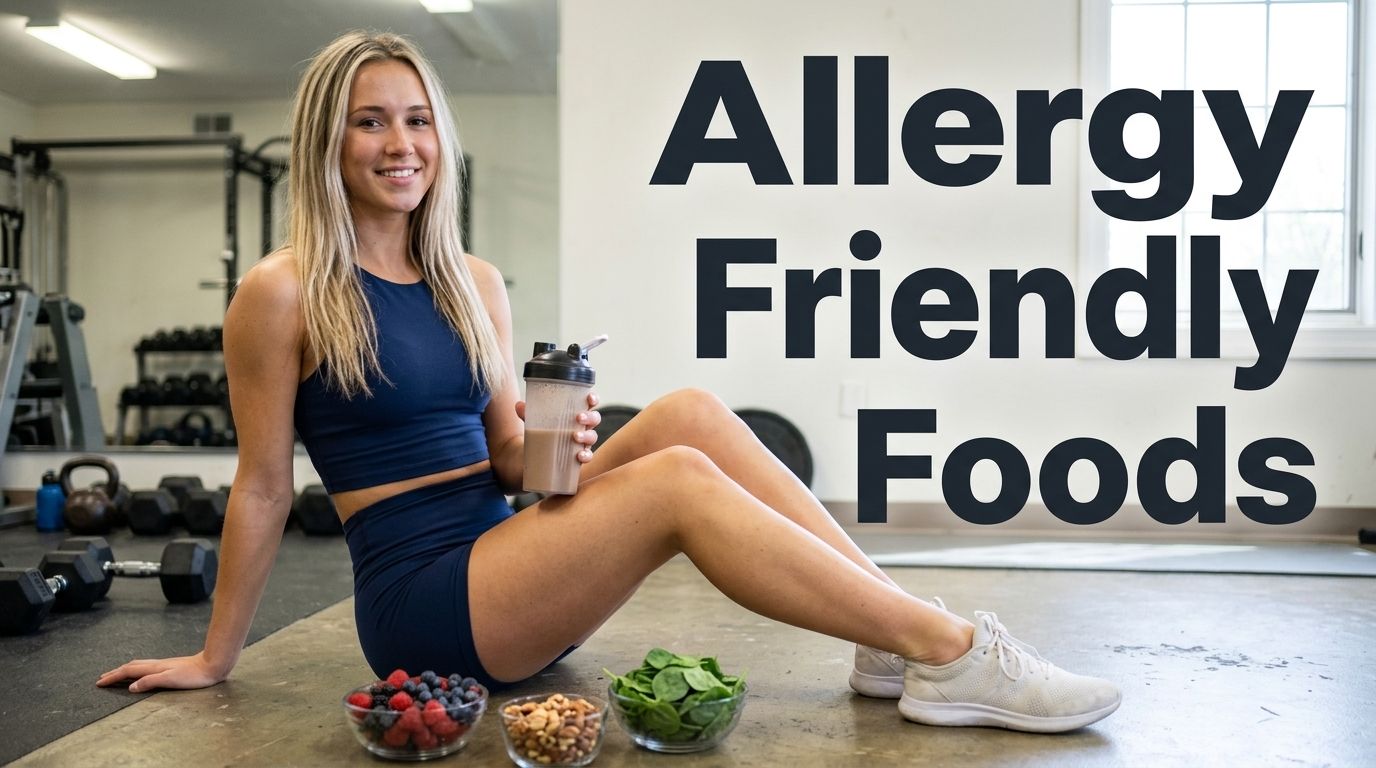
Allergy friendly foods are foods naturally free from the proteins that trigger immune reactions in people with food allergies. FARE (Food Allergy Research & Education) reports that 33 million Americans live with food allergies, making allergen avoidance a daily health necessity.
Food allergies are immune-driven reactions where the body misidentifies proteins as threats. Whole, single-ingredient foods carry the lowest reaction risk. Certified gluten-free grains, berries, leafy greens, and novel proteins like turkey and lamb form the core of every hypoallergenic food list recommended by healthcare providers.
Vitamin C and anti-inflammatory foods like turmeric reduce the histamine-driven inflammation behind allergy symptoms. Building an allergy-friendly diet means identifying triggers, replacing them with safe equivalents, and reading labels at every purchase. This guide covers all three.
What Are Allergy Friendly Foods?
Allergy friendly foods are foods that are naturally free from, or formulated without, the proteins that trigger immune reactions in people with food allergies. In plain English: these foods lower your reaction risk without needing a prescription or medical visit every time you eat.
Here’s the scale of the problem. FARE (Food Allergy Research & Education) reports that 33 million people in the U.S. live with food allergies. That’s not a niche issue — it affects children and adults across every demographic and income level.
Healthcare providers use allergy-friendly foods in elimination diets to pinpoint specific triggers. These foods have fewer ingredients and skip known allergen sources. A confirmed hypoallergenic food doesn’t guarantee zero risk, but it carries substantially lower reaction potential than standard processed food.
What Makes a Food Allergy Friendly?
A food earns the allergy-friendly label when it is free from one or more of the 9 major allergens, produced without cross-contamination risk, and verified through clear ingredient labeling. Meet all three criteria, and you have a genuinely safe product. Meet only one, and you have clever marketing.
Organic allergy-friendly foods carry an extra layer of protection. They’re free from synthetic additives and pesticides, which can aggravate chemical sensitivities alongside food allergies. Combine allergen-free production with organic sourcing, and you get a genuinely cleaner dietary baseline.
Some specialized foods use hydrolyzed proteins. Here’s what that means: proteins are broken down into smaller molecules. Smaller molecules are less likely to be flagged as a threat by the immune system, reducing reaction risk even when the source protein is technically present.
What Are the Top 9 Food Allergens to Know?
The top 9 food allergens are milk, eggs, fish, Crustacean shellfish, tree nuts, peanuts, wheat, soybeans, and sesame — the group responsible for the majority of serious allergic reactions in the U.S. Federal law now requires all 9 to appear on food labels.
FALCPA (the Food Allergen Labeling and Consumer Protection Act) established the original 8 allergens in 2004. Sesame became the 9th on January 1, 2023 under the FASTER Act. The FDA enforces labeling compliance for all FDA-regulated food products. So yes — it’s the law, not a suggestion.
Hidden allergen exposure is the most common cause of accidental reactions. Milk and eggs appear in ice cream, pasta, and foamy coffee drinks. Gluten hides in sauces and condiments. Peanuts are common in African, Asian, and Mexican cuisines even when not listed as a primary ingredient.
The 9 Major Food Allergens:
- Milk
- Eggs
- Fish
- Crustacean shellfish
- Tree nuts
- Peanuts
- Wheat
- Soybeans
- Sesame (added January 1, 2023)
How Do Food Allergies Work?
Food allergies work by triggering an immune system response in which the body misidentifies a food protein as a threat, producing IgE antibodies that cause inflammation and symptoms upon re-exposure. And here is the key distinction: it’s immune-driven, not digestive.
Histamine is the primary chemical behind an allergic reaction. The body releases histamine and other substances in response to the perceived allergen. That histamine triggers the inflammation responsible for sneezing, stuffiness, itchy eyes, and skin reactions. So what you feel is inflammation — not the food itself.
Cross-contamination is a secondary and frequently overlooked exposure route. A food may list no allergen as an ingredient and still cause reactions if processed in a shared facility. That’s why labels like ‘may contain traces of soy’ or ‘produced in a nut-free facility’ matter as much as the ingredient list.
How Does the Immune System Respond to Allergens?
The immune system responds to allergens through a two-stage process: sensitization at first exposure, where IgE antibodies are produced, and an acute reaction at re-exposure, where those antibodies activate mast cells throughout the body. Think of it this way: the first exposure arms the system. Every exposure after that fires the weapon.
Mast cell activation drives the symptoms you actually feel. Activated mast cells release histamine into surrounding tissues. The histamine concentration in those tissues determines symptom severity — from mild itching on one end to systemic anaphylaxis on the other.
What Are the Symptoms of a Food Allergy?
Food allergy symptoms range from sneezing, stuffy nose, hives, and stomach pain to severe anaphylaxis — a life-threatening reaction that causes airway constriction, a rapid blood pressure drop, and loss of consciousness. Severity depends on allergen dose and individual sensitivity.
Anaphylaxis demands immediate epinephrine (adrenaline). Delay increases the risk of death. People with severe allergies should carry an epinephrine auto-injector (EpiPen) at all times and have a written emergency action plan — not a mental note, an actual plan.
Most symptoms appear within minutes to two hours of eating the trigger food. Delayed reactions in conditions like food protein-induced enterocolitis syndrome (FPIES) can occur 24-48 hours later. That timing difference helps distinguish immediate IgE-mediated allergies from slower non-IgE reactions.
Common Food Allergy Symptoms by Severity:
| Mild | Moderate | Severe (Anaphylaxis) |
|---|---|---|
| Sneezing | Hives | Airway constriction |
| Itchy eyes | Stomach pain | Rapid blood pressure drop |
| Stuffy nose | Vomiting | Loss of consciousness |
What Foods Are Naturally Allergy Friendly?
Whole, single-ingredient foods carry the lowest allergy risk because they contain one protein source with no additives, preservatives, or cross-contaminated processing — making them the foundation of every allergy-friendly eating plan. Fresh produce and plain proteins are where you start.
Healthcare providers recommend specific foods in elimination diets based on documented low reaction rates. Berries, leafy greens, sweet potatoes, cruciferous vegetables, and plain proteins like lamb and turkey consistently appear on hypoallergenic food lists from registered dietitians. The pattern is clear: the fewer the ingredients, the safer the food.
Which Fruits and Vegetables Are Safest for Allergies?
Berries are among the safest fruits for people with food allergies, with few allergy incidents reported for blueberries, raspberries, blackberries, and cranberries — a notably lower risk profile than most other fruit categories.
For vegetables, leafy greens and cruciferous types are the safest choices. Spinach, kale, cauliflower, and Brussels sprouts rarely trigger allergic reactions. Sweet potatoes are also broadly tolerated across the most common allergy profiles.
And here is the bonus. Vitamin C-rich foods in this category carry a clinical benefit. A study on antioxidants in children found higher vitamin C intake was associated with fewer allergy symptoms. Bell peppers, strawberries, and broccoli deliver 80-120 milligrams (mg) per 100 grams (3.5 oz) of vitamin C.
Lowest-Risk Fruits and Vegetables:
- Blueberries, raspberries, blackberries, cranberries
- Spinach and kale
- Sweet potatoes
- Cauliflower and Brussels sprouts
- Bell peppers
- Broccoli
What Grains and Proteins Are Hypoallergenic?
Certified gluten-free grains are the safest grain choices for people with wheat or gluten allergies, with quinoa, rice, millet, buckwheat, amaranth, teff, and sorghum all approved in common allergen elimination diet protocols. Certification is the operative word — it confirms no cross-contamination with wheat during processing.
Novel proteins are the lowest-risk meat options. Rabbit, turkey, duck, and lamb rarely trigger reactions in people with common allergies to chicken, beef, or fish. These proteins are the first choice in both veterinary and human elimination diets for exactly that reason.
Legume flours also earn a legitimate place in allergen-free cooking. Bean, chickpea, lentil, and pea flours are permitted in common allergen elimination diets. They deliver complete macronutrient coverage when confirmed free from the 9 major allergens and processed in dedicated allergen-free facilities.
Hypoallergenic Grains and Proteins at a Glance:
| Category | Safe Options |
|---|---|
| Gluten-free grains | Quinoa, rice, millet, buckwheat, amaranth, teff, sorghum |
| Novel proteins | Rabbit, turkey, duck, lamb |
| Legume flours | Chickpea, lentil, pea, bean flour |
What Foods Help Reduce Allergy Symptoms?
Certain foods reduce allergy symptoms by lowering systemic inflammation — the underlying process that drives sneezing, congestion, and skin reactions — without replacing prescribed medications or allergy treatments. Diet works alongside medical care, not instead of it. That distinction matters.
The most evidence-backed options are foods rich in vitamin C, plant-based omega-3 fatty acids (ALA), and curcumin from turmeric. Each targets inflammation through a different biological pathway. And all three are easy to incorporate into a standard allergy-friendly diet without a complete kitchen overhaul.
Does Vitamin C Help with Allergy Symptoms?
Yes. Vitamin C is associated with a reduced risk of allergy symptoms, according to a study on antioxidants in children with allergies, where participants who increased vitamin C intake experienced fewer and less severe reactions. Researchers suggest the antioxidant properties of vitamin C help regulate the allergic immune response.
Dietary vitamin C sources are abundant in allergy-friendly foods. Citrus fruits (oranges, kiwi, lemon, grapefruit), bell peppers, strawberries, tomatoes, and cruciferous vegetables (broccoli, Brussels sprouts, cabbage, cauliflower) all deliver high concentrations. These are the exact same foods on the hypoallergenic list — so you’re solving two problems at once.
Adults need 65-90 mg of vitamin C per day. A single medium orange delivers approximately 70 mg (in a 130 gram / 4.6 oz fruit). Bell peppers provide 80-120 mg per 100 grams (3.5 oz), making them one of the most efficient dietary sources available.
Can Anti-Inflammatory Foods Ease Allergies?
Yes. Anti-inflammatory foods can ease allergy symptoms by reducing histamine-driven inflammation in the body, with turmeric’s active component curcumin shown in clinical research to improve nasal airflow, reduce sneezing and stuffiness, and boost immunity in allergy patients.
ALA omega-3 fatty acids from flaxseeds, chia seeds, and walnuts work through a complementary anti-inflammatory pathway. Lower systemic inflammation decreases the intensity of allergy symptom flare-ups. The bad news? Most people don’t consume nearly enough of these foods on a standard Western diet.
Avoiding pro-inflammatory foods matters just as much as adding anti-inflammatory ones. Refined carbohydrates, fried foods, sugar-sweetened beverages, red and processed meats, and fat-heavy spreads all increase inflammation. These foods worsen the baseline inflammatory state that makes allergy symptoms more severe. Ready to speed things up? Get a proven weight loss plan built around anti-inflammatory principles that also supports allergy symptom reduction.
Anti-Inflammatory vs. Pro-Inflammatory Foods:
| Eat More (Anti-Inflammatory) | Eat Less (Pro-Inflammatory) |
|---|---|
| Turmeric (curcumin) | Refined carbohydrates (white bread, pastries) |
| Berries (vitamin C) | Fried foods (french fries) |
| Flaxseeds, chia seeds (ALA omega-3) | Sugar-sweetened beverages |
| Broccoli, bell peppers | Red and processed meats |
| Leafy greens | Butter and margarine |
What Foods Should You Avoid with Common Allergies?
People with food allergies must avoid all foods containing their specific allergen and its derivatives, including the 9 major allergens — milk, eggs, fish, shellfish, tree nuts, peanuts, wheat, soybeans, and sesame — and the dozens of ingredient names that disguise them on labels.
Hidden allergens cause most accidental reactions. And here is the part most people miss: it’s rarely the obvious food. Gluten hides in sauces and condiments. Dairy appears in chips and baked goods. Eggs turn up in ice cream, pasta, and foamy coffee drinks. Knowing hidden ingredient names is as important as avoiding the whole food itself.
What Are the Best Substitutes for Top Allergens?
Dairy-free alternatives include almond milk, cashew milk, coconut milk, oat milk, and rice milk — all of which replace cow’s milk in recipes, cereals, and coffee without sacrificing texture or usability in most cooking applications. Non-dairy yogurts, creams, and cheeses are widely available in standard grocery stores today.
For eggs, flax eggs (1 tablespoon ground flax + 3 tablespoons water, rested for 5 minutes) and chia eggs work as binders in baking. Commercial egg-free substitutes are available in most health food stores. Mashed banana and applesauce replace eggs in sweet baked goods for moisture and binding — and they actually improve flavor in most recipes.
Peanut and tree nut replacements include sunflower butter, pumpkin seed butter, and coconut butter. Coconut oil and sunflower oil replace nut oils in cooking and baking at similar temperatures. These swaps maintain fat content and cooking performance without any allergen risk.
How Do You Read Labels for Hidden Allergens?
FALCPA requires food labels to clearly identify the food source name of any ingredient derived from the 9 major allergens, so labels must state ‘Contains: milk, wheat’ or name the allergen in parentheses within the ingredient list — making legal allergen disclosure mandatory and standardized.
Cross-contamination advisory labels are voluntary and unregulated. Statements like ‘may contain traces of soy’ signal manufacturing risk. But here is what no one tells you: their absence does not confirm a product is safe. A product can carry cross-contamination risk from shared processing equipment and carry no advisory warning whatsoever.
Technical ingredient names signal hidden allergens. Casein and whey indicate milk. Albumin and ovalbumin indicate eggs. Malt and malt extract indicate wheat. Edamame and miso indicate soy. Learning these technical terms is one of the highest-leverage habits in allergy-friendly eating.
Hidden Allergen Ingredient Names to Know:
| Allergen | Hidden Ingredient Names |
|---|---|
| Milk | Casein, whey, lactalbumin, caseinate |
| Eggs | Albumin, ovalbumin, ovomucin, livetin |
| Wheat/Gluten | Malt, malt extract, spelt, semolina, durum |
| Soy | Edamame, miso, tempeh, tamari, tofu |
| Tree nuts | Pralines, marzipan, nut extract, gianduja |
How Do You Build an Allergy Friendly Diet?
Building an allergy-friendly diet requires three steps: identifying personal allergens through testing, replacing eliminated foods with safe nutritional equivalents, and developing consistent label-reading habits for every packaged product purchased. Each step compounds the safety of the next.
Identifying trusted allergy-friendly brands simplifies long-term adherence. Once a brand’s products are confirmed safe, repeat purchases reduce label-reading fatigue. And our coaches at Eat Proteins have seen this firsthand — consistent brand loyalty is one of the most underrated habits in allergy management. Specialist brands undergo stricter facility protocols than general manufacturers.
What Does a Gluten Free and Dairy Free Meal Plan Look Like?
A gluten-free and dairy-free meal plan is built around certified gluten-free grains, plant-based milks, lean proteins, and whole vegetables — combining the two elimination frameworks without sacrificing nutritional completeness or meal variety. Most whole foods naturally satisfy both restrictions. That’s where the simplicity is.
Grains like quinoa, rice, and millet serve as the starchy base. Gluten-free bread and pasta are widely available. Condiments and sauces need careful verification — gluten hides in thickeners and malt, and dairy appears in many cream-based sauces that seem dairy-free at first glance.
Practical meal examples include rice and grilled salmon with steamed broccoli, quinoa bowls with chickpeas and leafy greens, and oat-based breakfasts (certified gluten-free oats) with plant milk. These meals cover complete macronutrient needs while satisfying both restrictions simultaneously.
How Do You Avoid Cross Contamination at Home?
Home cross-contamination occurs when allergen proteins transfer from shared kitchen surfaces, utensils, or cookware to allergen-free food — even trace amounts are sufficient to trigger reactions in highly sensitive individuals. Prevention requires dedicated equipment and a consistent prep sequence. It’s not difficult, but it has to be deliberate.
Color-coded cutting boards, separate toasters, and dedicated cookware for allergen-free cooking eliminate surface transfer. Soap and water (not a quick wipe) remove allergen proteins from surfaces before allergen-free meal preparation begins. A wipe does not remove protein residue — soap does.
Cooking sequence matters as much as equipment. Allergen-free meals should be prepared first, before allergen-containing foods in the same session. Store allergen-free ingredients on separate shelves with clear labeling to prevent accidental mixing during storage.
Steps to Prevent Cross Contamination at Home:
- Use color-coded cutting boards (one set for allergen-free, one for everything else).
- Keep a dedicated toaster and cookware for allergen-free cooking.
- Wash surfaces with soap and water before preparing allergen-free meals.
- Prepare allergen-free dishes first in every cooking session.
- Store allergen-free ingredients on separate shelves with clear labels.
What Mistakes Do People Make with Allergy Friendly Eating?
The most common mistake in allergy-friendly eating is trusting marketing claims over ingredient labels — products labeled ‘allergy friendly’ may still contain allergen derivatives or be produced in shared facilities where cross-contamination is possible. A label claim never replaces reading the full ingredient list. Not once.
Hidden allergens in everyday condiments catch people off guard constantly. Barbecue sauce, salad dressings, spice mixtures, Worcestershire sauce, and malt vinegar frequently contain gluten, soy, or egg derivatives. These products are rarely marketed as allergen-containing. That’s exactly what makes them dangerous.
Restaurants present the highest cross-contamination risk outside the home. Shared fryers, utensils, and prep surfaces transfer allergens without warning. Peanuts are common in African, Asian, and Mexican cuisines even when not listed as a main ingredient. Always communicate allergies directly to kitchen staff — not just the server taking your order.
Are Processed Allergy Friendly Products Always Safe?
No. Processed allergy-friendly products are not always safe, because ingredient formulations change without consumer notice — FARE and Kids With Food Allergies both recommend reading labels every time, not just at first purchase, because manufacturers can alter ingredients at any point.
Third-party certification provides higher assurance than manufacturer claims alone. Certifications like GFCO (Gluten-Free Certification Organization) require facility audits and batch testing protocols. A certification logo signals independent verification — not just a brand promise. That’s a meaningful difference.
Voluntary advisory labels like ‘may contain’ are not regulated under FALCPA. Their absence does not confirm a product is allergen-free. A product can lack a ‘may contain’ warning and still carry cross-contamination risk from shared processing equipment. So what does that mean for you? Read the label every time. No exceptions.
Want Your Free Allergy Friendly Meal Plan from Eat Proteins?
You have the science. Now you need the plan. Our nutritionists at Eat Proteins built a 7-day allergy-friendly meal plan that replaces the top 9 allergens with high-protein, nutritionally complete alternatives — so you don’t sacrifice balance while eliminating risk.
People who follow a structured allergy-friendly plan maintain better nutritional completeness, avoid accidental exposure, and escape the diet fatigue that comes from eating the same safe meals on repeat. Structure creates variety within safe boundaries. And that’s exactly what this plan delivers.