
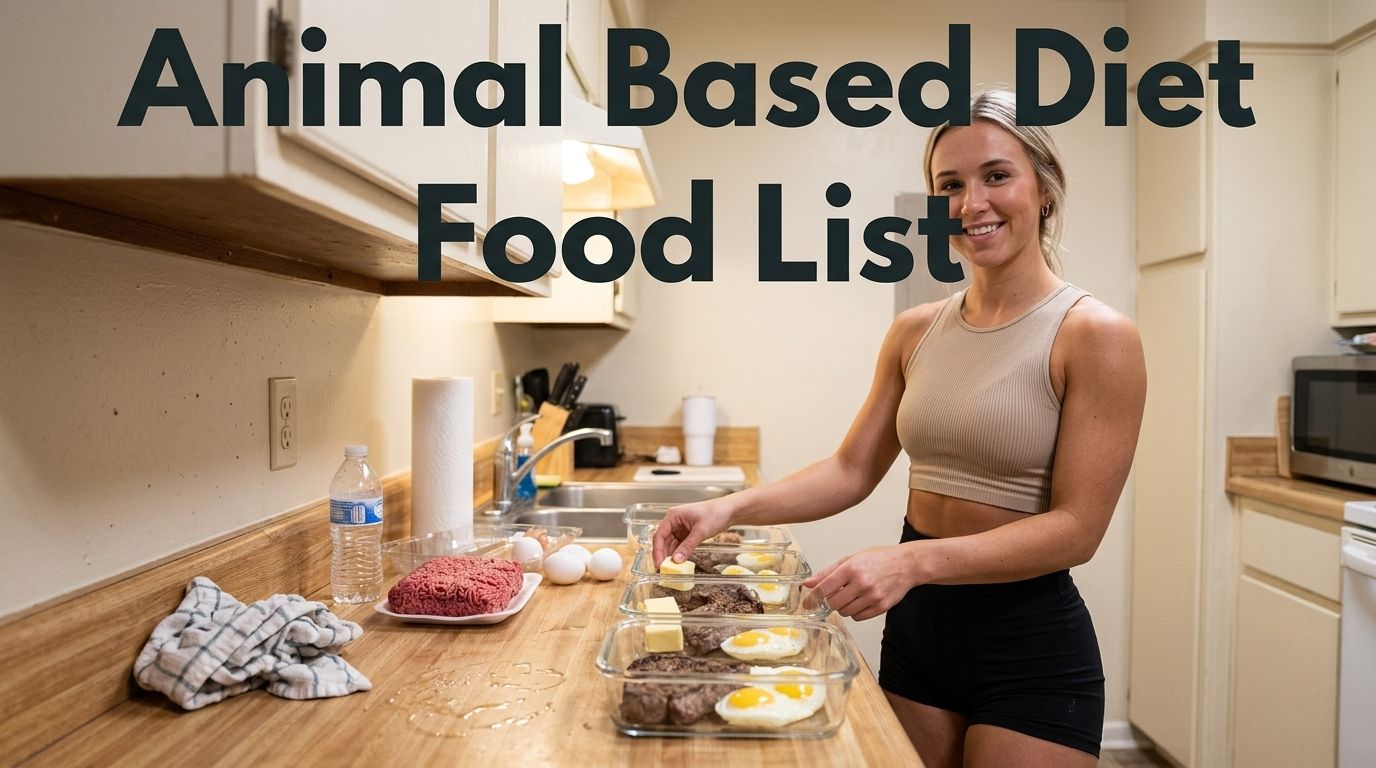
The animal based diet prioritizes ruminant meats, organ meats, seafood, eggs, and animal fats as the nutritional core. It’s designed for people who want peak nutrient density from the most bioavailable food sources on the planet.
Grass-fed beef, lamb, and bison lead the protein list. Pasture-raised eggs and fatty fish like salmon and sardines follow closely. Organ meats — especially liver — deliver retinol, B12, and iron at concentrations muscle meat cannot match. Animal fats like tallow and ghee replace seed oils entirely.
This guide covers everything on the animal based food list: what to eat, what to avoid, how to start, and the benefits and risks you need to understand before committing to this ancestral eating pattern.
What Is the Animal Based Diet?
The animal based diet is a nutrient-dense eating pattern centered on animal foods — primarily ruminant meats, organs, seafood, eggs, and animal fats — with optional low-sugar fruits and select vegetables. The framework prioritizes foods with high bioavailability over calorie counting or portion restriction.
Here’s the thing: it’s not the same as carnivore. The animal based diet permits berries, avocado, olives, raw honey, and leafy greens. That flexibility makes adherence easier while keeping the core rule intact — animal foods come first.
So who’s it for? Athletes, people with autoimmune conditions, and those recovering from gut dysfunction are the most common adopters. Our nutritionists at Eat Proteins see it most often among people who’ve exhausted conventional diet advice and want something rooted in ancestral eating patterns.
What Foods Are the Foundation of an Animal Based Diet?
Ruminant meats form the caloric and nutritional core of the animal based diet, with grass-fed beef, lamb, and bison prioritized for high fat content and complete amino acid profiles. These cuts deliver saturated fat, zinc, iron, and B12 in forms the body absorbs efficiently.
Pasture-raised eggs are next. They supply fat-soluble vitamins A, D, E, and K2 alongside choline and complete protein. In fact, our coaches at Eat Proteins rank whole eggs among the most nutrient-dense single foods available on any dietary framework.
Bone broth rounds out the foundation. It supplies glycine, proline, and collagen precursors — compounds that support joint integrity and gut lining health through direct structural protein delivery.
Foundation Foods:
- Grass-fed beef — ribeye, sirloin, 80/20 ground beef
- Pasture-raised lamb and bison
- Pasture-raised eggs (whole, not whites only)
- Bone broth (beef, chicken, or mixed)
What Optional Foods Can You Add?
Low-sugar fruits are permitted on the animal based diet when tolerated — berries, avocado, and olives are the primary choices for their low fructose content and antioxidant density. Raw honey is accepted as a minimal sweetener for energy.
And here’s what most people miss: non-starchy vegetables are also on the table. Leafy greens, zucchini, and fresh herbs work for those without adverse reactions to plant antinutrients. The key rule is simple — plant foods supplement animal foods, not the other way around.
What Are the Core Foods on the Animal Based Diet Food List?
The animal based diet food list spans six core categories: ruminant meats, poultry, seafood, organ meats, animal fats, and eggs — each contributing a distinct micronutrient profile the others do not fully replicate. Covering all six protects against nutritional gaps.
To be clear, the advantage over plant-based eating isn’t just protein quantity. Animal foods deliver zinc, iron, B12, retinol, and DHA in forms that absorb without conversion steps. Retinol from liver goes straight in. Beta-carotene from vegetables? It requires enzymatic conversion — and most people convert it poorly.
Animal Based Diet Food Categories:
| Category | Top Foods | Key Nutrients |
|---|---|---|
| Ruminant Meats | Beef, lamb, bison | B12, zinc, iron, CLA |
| Poultry | Chicken thighs, duck, turkey | Protein, B3, selenium |
| Seafood | Salmon, sardines, oysters | DHA, EPA, zinc, selenium |
| Organ Meats | Liver, heart, kidneys | Retinol, B12, CoQ10, folate |
| Animal Fats | Tallow, lard, butter, ghee | K2, butyrate, CLA |
| Eggs | Pasture-raised whole eggs | Choline, A, D, E, K2 |
Which Meats Are Best for an Animal Based Diet?
Grass-fed beef cuts are the top recommended meats, with ribeye, sirloin, and 80/20 ground beef prioritized for their high saturated fat, CLA (conjugated linoleic acid), and complete amino acid profiles. Fatty cuts outperform lean cuts for sustained energy.
Lamb and bison are excellent rotations. Both deliver iron, zinc, and B12 comparable to beef. Bison carries a more favorable omega-3 to omega-6 ratio than grain-fed beef — and that ratio matters more than most people realize.
Poultry enters as a secondary source. Chicken thighs, turkey legs, and duck are preferred over lean breast meat for caloric density and fat-soluble nutrient content. Lean chicken breast alone doesn’t carry the fat-soluble vitamin load this framework demands.
What Seafood and Fish Should You Include?
Fatty fish are the primary seafood priority, with salmon, sardines, and mackerel supplying EPA and DHA — long-chain omega-3 fatty acids that reduce systemic inflammation and support brain function. Two to three servings per week meet baseline omega-3 needs.
And shellfish? Don’t underestimate them. Oysters, shrimp, and clams rank among the richest dietary sources of zinc, selenium, and copper — minerals critical for immune defense, thyroid hormone conversion, and enzyme function. Most people eating only muscle meat are short on all three.
What Organ Meats Are on the Animal Based Food List?
Organ meats contain 10-100 times the micronutrient concentration of muscle meat, with liver leading on retinol (vitamin A), B12, folate, iron, and copper in their most bioavailable forms. No other food category competes with organ meats for nutrient density.
Here’s what that looks like in practice. Most animal based practitioners target 100-200 grams (3.5-7 oz) of organ meat two to four times per week. That frequency delivers meaningful micronutrient coverage without pushing fat-soluble vitamin intake past safe upper limits.
Organ Meat Nutrient Highlights:
| Organ | Key Nutrients | Primary Benefit |
|---|---|---|
| Liver | Retinol, B12, folate, iron, copper | Most nutrient-dense food available |
| Heart | CoQ10, taurine, B12, iron | Cardiovascular and mitochondrial support |
| Kidneys | Selenium, riboflavin (B2), B12 | Thyroid and antioxidant enzyme support |
| Bone marrow | Fat-soluble vitamins, alkylglycerols | Immune modulation and joint repair |
Why Is Liver Important on an Animal Based Diet?
Beef liver delivers roughly 6,400 mcg of retinol per 100g (3.5oz) serving — over 700% of the daily recommended intake — in the most bioavailable animal form of vitamin A. Plant beta-carotene requires enzymatic conversion; retinol does not.
And the B12 story is just as impressive. Liver surpasses every other food for B12 and folate per gram. B12 absorption from liver exceeds 90%, and folate levels rival dark leafy greens with significantly higher utilization rates.
What about iron? Heme iron in liver absorbs at 15-35% efficiency compared to 2-20% for non-heme plant iron. For anyone managing iron deficiency, liver outperforms all plant-based iron sources by a substantial margin.
What Other Organs Are Worth Eating?
Beef heart is the richest dietary source of CoQ10 (coenzyme Q10), delivering taurine alongside it to support cardiovascular function and mitochondrial energy production. And here is the best part: heart tastes similar to muscle meat and blends easily into ground beef mixtures.
Kidneys provide high concentrations of selenium and riboflavin (B2). Selenium supports thyroid hormone conversion and antioxidant enzyme production — functions especially relevant for anyone managing thyroid or metabolic health conditions.
Bone marrow supplies fat-soluble vitamins, alkylglycerols, and stem cell growth factors. Research associates regular marrow consumption with immune modulation and joint tissue repair support.
What Animal Fats and Dairy Are Included?
Animal fats are the preferred cooking medium on the animal based diet, with tallow, lard, duck fat, and schmaltz favored for their high smoke points and complete absence of industrial seed oil processing. These fats remain chemically stable at temperatures that oxidize vegetable oils into harmful aldehydes.
Grass-fed butter and ghee serve as both cooking fats and nutrient carriers. Both supply vitamin K2, butyrate, and CLA. In fact, K2 from grass-fed butter is one of the most underrated nutrients in the animal based framework — it directs calcium into bones rather than arterial walls.
Animal Fats Comparison:
| Fat | Smoke Point | Best Use |
|---|---|---|
| Beef tallow | 250°C / 480°F | High-heat frying, roasting |
| Lard (pasture-raised) | 190°C / 375°F | Medium-high sautéing, baking |
| Ghee | 230°C / 450°F | High-heat cooking, finishing |
| Butter (grass-fed) | 150°C / 300°F | Low-heat cooking, sauces |
| Duck fat | 190°C / 375°F | Roasting vegetables, potatoes |
Which Animal Fats Should You Cook With?
Beef tallow maintains stability above 250°C (480°F), making it the top choice for high-heat cooking — searing, frying, and roasting — without producing the aldehydes that form when polyunsaturated oils oxidize. Rendered tallow stores well without refrigeration.
Pasture-raised lard is another solid option. It contains approximately 45% monounsaturated fat (oleic acid) — a profile that mirrors olive oil in stability. That makes lard reliable for medium-high heat cooking and baking applications where butter burns.
Is Dairy Allowed on an Animal Based Diet?
Yes. Full-fat dairy is allowed and encouraged when tolerated, with aged cheeses, butter, ghee, kefir, and heavy cream prioritized over low-fat or ultra-processed dairy products. The fat matrix in full-fat dairy improves fat-soluble vitamin absorption.
Raw milk and raw cheese hold a preferred status in the animal based community. The reason is simple: intact enzymes and live cultures support digestion in ways pasteurized products cannot replicate. That said, access to raw dairy is regulated in many regions — check local laws before sourcing.
What Foods Should You Avoid on an Animal Based Diet?
Vegetable and seed oils are the primary exclusion, with soybean, canola, sunflower, corn, and cottonseed oils eliminated for their high omega-6 linoleic acid content that disrupts the omega-3 to omega-6 ratio and accelerates oxidative stress. This removal is non-negotiable.
Processed and packaged foods go next. Any product containing industrial additives, synthetic preservatives, emulsifiers, or refined carbohydrates gets cut — regardless of how much protein the label claims. Protein content does not compensate for the damage these additives do.
And sugar? Gone. Refined sugar, high-fructose corn syrup, and artificial sweeteners are eliminated entirely. Raw honey is the sole permitted sweetener — used sparingly for acute energy needs, not as a daily habit.
Foods to Avoid:
- Vegetable and seed oils (soybean, canola, sunflower, corn)
- Refined grains (bread, pasta, white rice, cereals)
- Legumes (beans, lentils, soy, peanuts)
- Refined sugar and artificial sweeteners
- Processed and packaged foods with additives
- Low-fat or ultra-processed dairy products
Are Grains and Legumes Allowed?
No. Grains are excluded on strict animal based diets because phytic acid and lectins in wheat, oats, and rice reduce zinc and iron absorption and irritate the gut lining in individuals with elevated intestinal permeability. Even whole grains carry this antinutrient load.
Legumes get the same treatment. Beans, lentils, and soy contain lectins and oxalates that interfere with zinc and iron absorption — the exact minerals animal foods work hardest to deliver. Including legumes undermines part of what the diet is designed to do.
What Are the Benefits of the Animal Based Diet?
The animal based diet delivers reported benefits across energy, mental clarity, body composition, inflammation, and recovery — driven primarily by extreme nutrient density and the removal of processed industrial foods from the diet. The combination is more impactful than either change alone.
Here’s why that matters. Animal foods supply retinol, heme iron, zinc, DHA, and complete proteins in forms that absorb with high efficiency. Plant-derived equivalents require multi-step enzymatic conversions that reduce final bioavailability significantly — and for many people, those conversions are already impaired.
Key Benefits:
- Increased sustained energy from fat metabolism
- Improved mental clarity and cognitive focus
- Enhanced muscle growth from complete amino acid profiles
- Reduced systemic inflammation via omega-3 optimization
- Better body composition through hormonal and metabolic support
Does the Animal Based Diet Support Muscle Growth?
Yes. Animal proteins contain all nine essential amino acids in ratios that optimize muscle protein synthesis, with the leucine content in beef and eggs clinically shown to trigger anabolic mTOR signaling required for muscle repair and growth. Plant proteins lack this leucine density.
And the creatine angle is worth noting. Red meat provides 3-5g of creatine per 500g (17.6oz) serving. At that dietary level, creatine contributes directly to strength output and lean muscle retention during resistance training — without needing a supplement at all.
Can an Animal Based Diet Reduce Inflammation?
EPA and DHA from fatty fish and grass-fed meat suppress prostaglandin and leukotriene production — two key inflammatory signaling molecules linked to joint pain, metabolic syndrome, and cardiovascular inflammation. Two to three weekly servings of fatty fish deliver meaningful anti-inflammatory doses.
But the seed oil removal matters just as much. Replacing linoleic-acid-heavy seed oils with animal fats lowers the omega-6 to omega-3 ratio, a validated biomarker of systemic inflammation. Studies associate ratios below 4:1 with reduced markers of chronic inflammatory disease. Ready to speed things up? Get a proven weight loss plan built around anti-inflammatory animal based principles.
What Are the Risks of an Animal Based Diet?
The main risks of the animal based diet involve low intake of vitamin C, vitamin E, magnesium, potassium, and dietary fiber — nutrients concentrated in plant foods that are minimized or excluded under this framework. Each gap requires a deliberate strategy to address.
Now here is the thing: saturated fat is the part people argue most about. Current evidence shows mixed cardiovascular effects depending on food matrix, individual lipid genetics, and whether refined carbohydrates are also present in the diet. Context matters enormously here.
Does an Animal Based Diet Cause Nutrient Deficiencies?
Vitamin C deficiency is a real risk without fruit inclusion; however, fresh organ meats — particularly liver and adrenal glands — contain meaningful amounts of vitamin C in its reduced ascorbate form that survives moderate cooking. Eating liver regularly reduces deficiency risk substantially.
Fiber removal? That causes a transitional period. Expect 2-4 weeks of digestive disruption as gut microbiome composition shifts. Most adherents report fully normalized bowel function after the adaptation period ends.
Magnesium and potassium sit low in muscle meat alone. Bone broth, organ meats, and electrolyte supplementation compensate for this gap — and preventing fatigue, cramping, and sleep disruption in the first weeks depends on addressing these gaps early.
Potential Nutritional Gaps:
- Vitamin C — compensate with organ meats and optional berries
- Vitamin E — found in eggs and fatty fish; consider small amounts of nuts if tolerated
- Magnesium — supplement or increase bone broth intake
- Potassium — bone broth and organ meats partially address this gap
- Fiber — expect a 2-4 week adjustment period; consider non-starchy vegetables
How Do You Start an Animal Based Diet?
The standard starting framework focuses on ruminant meats, eggs, and fatty fish as the caloric base, adding organ meats gradually over weeks three and four while eliminating seed oils and processed foods in week one. Removing seed oils first produces the fastest measurable change.
Most practitioners structure 2-3 meals per day centered on 150-250g (5.3-8.8oz) of meat per meal. Portions adjust based on hunger signals rather than fixed calorie targets. And here is what most new adopters notice: protein and fat cravings normalize quickly once processed food cravings begin to drop.
What Does a Typical Day of Animal Based Eating Look Like?
A structured daily meal plan centers three meals on animal foods: breakfast with 3-4 pasture-raised eggs cooked in butter, lunch with 200g (7oz) grass-fed ground beef and bone broth, and dinner with a salmon fillet cooked in tallow. Berries or raw honey serve as dessert when desired.
And the prep time? Minimal. Most animal based protein sources cook in 5-15 minutes using pan searing, grilling, or slow roasting. No complex recipes. No specialty ingredients. That simplicity is one of the most underrated practical advantages of this approach.
Steps to Start:
- Week 1: Remove all seed oils and replace with tallow, lard, or butter.
- Week 1-2: Build meals around grass-fed beef, eggs, and pasture-raised poultry.
- Week 2: Add fatty fish (salmon or sardines) two to three times per week.
- Week 3: Introduce liver — start with 50g (1.75oz) twice per week.
- Week 4: Add other organs (heart, kidneys) and bone broth daily.
- Ongoing: Include optional berries or leafy greens as tolerated.
Want Your Free Animal Based Diet Meal Plan?
You have the food list. Now you need the plan. The free Eat Proteins animal based meal plan delivers a structured 7-day protocol with portion guides, organ meat introduction steps, and sourcing tips built by nutrition coaches who practice ancestral eating themselves. It removes every guessing game from the first four weeks.
Here’s what no one tells you: the transition period is where most people quit. Our team at Eat Proteins built this plan specifically to get you through weeks one through four without the fatigue, confusion, or nutrient gaps that derail most beginners. Drop your email below and get it free.