
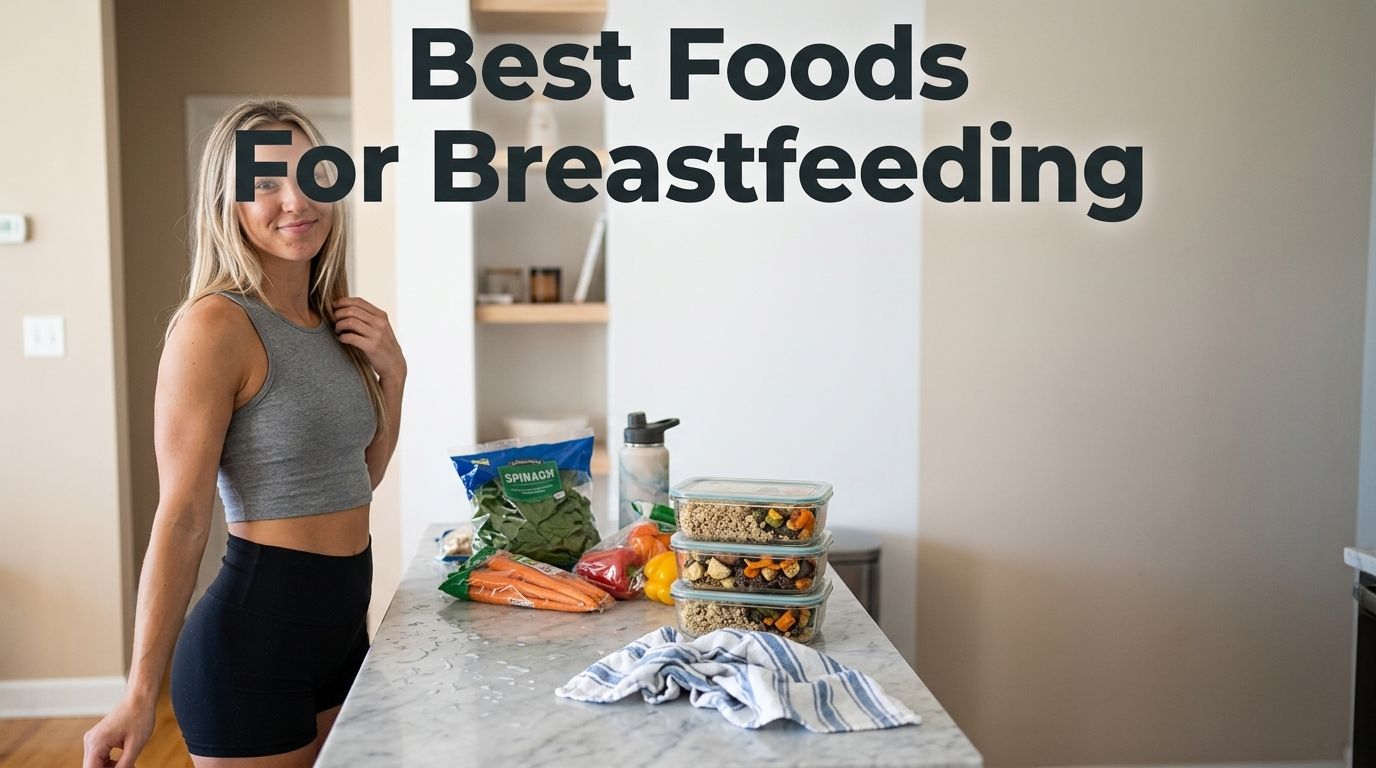
Breastfeeding nutrition covers the foods, fluids, and key nutrients that support milk production and infant development. What a nursing mother eats directly affects the quality of breast milk and her own energy levels during one of the most physically demanding periods of her life.
This guide covers the top foods for milk production, the role of DHA, calcium, iron, and protein, which galactagogues actually work, how much fluid nursing moms need daily, what foods and drinks to avoid, whether dieting during breastfeeding is safe, and how vegetarian and vegan moms can meet all nutritional needs.
Breast milk quality responds to diet more than most new mothers realize. The right foods protect the baby’s brain development, strengthen the infant gut, and keep the mother’s energy stable across feeding sessions. Our nutritionists at Eat Proteins have outlined the most evidence-based approach available.
What Are the Best Foods to Eat While Breastfeeding?
The best foods for breastfeeding are those that supply protein, healthy fats, calcium, iron, and complex carbohydrates in every meal. Salmon, leafy greens, eggs, oats, Greek yogurt, legumes, and nuts form the core of a high-quality nursing diet.
These foods cover the widest range of nutrients per calorie. Nursing mothers burn extra energy producing milk, so nutrient density matters more than volume alone.
Smith et al. (2021) found that mothers eating whole grains, fruits, and lean proteins consistently reported higher milk production than those eating processed diets. Food choices have a measurable effect on supply.
Top Breastfeeding Foods at a Glance:
- Salmon and sardines — DHA, protein, vitamin D
- Spinach and kale — calcium, iron, fiber
- Eggs — complete protein, choline
- Oats — iron, complex carbs, galactagogue properties
- Greek yogurt — calcium, protein, probiotics
- Lentils and chickpeas — iron, protein, fiber
- Nuts and seeds — healthy fats, iron, protein
- Sweet potatoes — beta-carotene, vitamin A, complex carbs
Are Whole Grains Important for Nursing Mothers?
Yes. Whole grains supply complex carbohydrates, B vitamins, and fiber that sustain energy across long nursing sessions and support healthy digestion in postpartum recovery.
Oatmeal is the standout choice. It is rich in iron and has a long history as a galactagogue. Brown rice and whole wheat bread round out a practical whole-grain rotation.
Refined grains lack the B vitamins and fiber that nursing mothers need. Replacing white bread and white rice with whole-grain versions is a simple, high-impact swap.
Do Eggs Support Breastfeeding Nutrition?
Yes. Eggs deliver six grams of complete protein each, along with choline, which is essential for infant brain development and often undereaten in postpartum diets.
They are fast to prepare, affordable, and easy to pair with vegetables or whole-grain toast. Hard-boiled eggs work well as between-feed snacks when cooking time is limited.
Here is the kicker: choline from eggs directly passes into breast milk. Most nursing mothers do not get enough choline from diet alone, making eggs one of the highest-priority foods on the list.
Which Nutrients Do Breastfeeding Mothers Need Most?
Breastfeeding mothers need elevated daily intakes of protein, calcium, iron, DHA, and fluids. These five nutritional priorities directly determine the quality of breast milk and the mother’s postpartum recovery rate.
Meeting each of these needs through food first, then supplements where gaps exist, is the most effective strategy. No single supplement replaces a varied, whole-food diet.
Daily Nutrient Targets for Nursing Mothers:
| Nutrient | Daily Target | Top Food Sources |
|---|---|---|
| Calcium | 1,000 mg | Dairy, leafy greens, fortified foods |
| Iron | Adequate daily | Red meat, legumes, eggs, leafy greens |
| Protein | 2-3 servings/day | Meat, fish, eggs, dairy, beans, nuts |
| DHA (omega-3) | 2-3 fish portions/week | Salmon, sardines, trout, flounder |
| Fluids | 100 oz (13 cups)/day | Water, non-caffeinated beverages |
Is Calcium Critical During Breastfeeding?
Yes. Calcium is required at 1,000 mg per day during breastfeeding to protect the mother’s bone density and ensure adequate mineral content in breast milk.
Dairy foods — milk, yogurt, and cheese — are the most efficient sources. Leafy greens like kale and spinach, plus calcium-fortified plant milks, serve as reliable alternatives for those avoiding dairy.
To be clear: the body pulls calcium from the mother’s bones if dietary intake falls short. That loss can persist long after weaning if it is not addressed during the nursing period.
How Much Iron Does a Breastfeeding Mother Need?
Iron supports healthy red blood cell production and passes into breast milk in amounts that affect infant iron stores during the first six months of life.
Red meat provides the most bioavailable heme iron. Legumes, eggs, and dark leafy greens supply non-heme iron. Pairing non-heme sources with vitamin C increases absorption significantly.
Oats are particularly useful here. They supply both iron and beta-glucan fiber, and they count toward the galactagogue category as well. One bowl of oatmeal at breakfast is a practical daily habit.
What Role Does DHA Play in Breastfeeding?
DHA is an omega-3 fatty acid that passes from the mother’s diet into breast milk and drives the structural development of the baby’s brain and retinas during the first months of life.
The concentration of DHA in breast milk is directly tied to the mother’s intake. Mothers who eat fatty fish two to three times per week produce milk with measurably higher DHA levels.
Here’s why: the infant brain grows at its fastest rate in the first year. DHA is a structural building block of neural tissue, not just a supplemental nutrient. Low maternal DHA intake has a direct downstream effect on infant brain development.
Which Fish Are Safe to Eat While Breastfeeding?
Safe fish choices for nursing mothers include salmon, sardines, trout, flounder, bluefish, and light tuna — all low in mercury and high in DHA and protein.
Avoid tilefish, swordfish, shark, and king mackerel. These fish accumulate high mercury levels. Mercury passes into breast milk and is toxic to infant neurological development at elevated doses.
The guideline is two to three portions of fish per week, with no more than two portions of oily fish. This balance maximizes DHA intake while keeping mercury exposure within safe limits.
Fish Safety Reference:
| Safe Choices | Avoid |
|---|---|
| Salmon | Tilefish |
| Sardines | Swordfish |
| Trout | Shark |
| Flounder | King mackerel |
| Light tuna |
Can Sardines Replace Salmon for DHA?
Yes. Sardines deliver DHA and EPA omega-3s at concentrations comparable to salmon, along with calcium from their soft edible bones and significant amounts of vitamin D.
Canned sardines are affordable and shelf-stable, making them practical for new mothers who have limited time to cook. They pair well with whole-grain crackers for a fast, nutrient-dense snack.
Think of it this way: sardines are essentially a portable DHA and calcium delivery system. For nursing mothers who find salmon preparation inconvenient, sardines solve the problem without nutritional compromise.
What Are Galactagogues and Do They Work?
Galactagogues are foods and herbs traditionally used to support breast milk production. Oats, fenugreek seeds, flaxseeds, garlic, leafy greens, legumes, and brewer’s yeast are the most commonly cited examples.
The evidence base for most galactagogues is limited by small study sizes. That said, many of these foods are nutritionally dense regardless of their direct effect on supply. Eating them supports overall maternal health.
Now here is the thing: adequate hydration, frequent feeding or pumping, and sufficient caloric intake matter more for milk supply than any specific food. Galactagogues work best as additions to an already solid nutritional foundation.
Common Galactagogue Foods:
- Oats and oatmeal
- Fenugreek seeds
- Flaxseeds
- Garlic
- Ginger
- Kale and spinach
- Lentils and chickpeas
- Sesame seeds
- Brewer’s yeast
- Barley
- Fennel
Does Oatmeal Increase Milk Supply?
Yes. Oatmeal is the most widely supported galactagogue, supplying iron and beta-glucan fiber while also being easy to digest and quick to prepare for time-pressed nursing mothers.
Iron deficiency is a known factor in reduced milk supply. Oats address this directly. They also contain saponins, compounds that may stimulate milk-producing hormones, though human research remains preliminary.
Bottom line: even if oats do not dramatically spike supply, they are iron-rich, filling, and easy on postpartum digestion. Including them at breakfast costs nothing and potentially adds meaningful benefit.
Are Nuts and Seeds Good for Breastfeeding?
Yes. Nuts and seeds supply healthy unsaturated fats, plant-based protein, iron, and zinc — all nutrients that support both milk quality and the mother’s postpartum energy and recovery.
Almonds, walnuts, flaxseeds, chia seeds, and sesame seeds are particularly useful. Walnuts supply plant-based ALA omega-3s. Flaxseeds and chia seeds add fiber alongside their fat and protein content.
A small handful of mixed nuts or a tablespoon of seeds added to oatmeal or yogurt makes for an efficient, no-prep nutrition upgrade. Our coaches at Eat Proteins recommend this as one of the simplest daily habits for nursing mothers.
How Much Water Does a Breastfeeding Mother Need Daily?
Breastfeeding mothers need approximately 100 ounces or 13 cups of fluids per day because breast milk is 87% water and milk production draws heavily on the body’s hydration reserves.
Thirst is a reliable signal during breastfeeding, but waiting until thirsty can create small chronic deficits. Keeping a large water bottle within reach during every nursing session is a practical system.
Non-caffeinated herbal teas and coconut water count toward daily fluid intake. Caffeinated drinks count too, but caffeine intake should stay below 200 mg per day to avoid affecting the infant.
Does Dehydration Affect Milk Production?
Yes. Dehydration directly reduces breast milk volume because the body prioritizes its own fluid balance before directing water resources toward milk synthesis.
Even mild dehydration reduces milk output noticeably. Mothers who report sudden drops in supply without dietary changes should assess fluid intake as the first variable to examine.
In fact, water remains the single most important fluid for nursing mothers. Sports drinks, fruit juices, and flavored waters can supplement intake but should not replace plain water as the primary source.
Which Foods Should Breastfeeding Mothers Avoid?
Breastfeeding mothers should avoid alcohol, high-mercury fish, excessive caffeine above 200 mg per day, and smoking, as all of these pass into breast milk and carry documented risks for infant development.
Alcohol passes into breast milk within 30 to 60 minutes of consumption. It affects infant sleep architecture, motor development, and feeding behavior. There is no confirmed safe level of alcohol in breast milk.
Excessive caffeine causes irritability and disrupted sleep in some infants. Under 200 mg per day — roughly one to two cups of coffee — is generally considered safe, though individual infant sensitivity varies.
Foods and Substances to Avoid:
- Alcohol — passes directly into breast milk
- High-mercury fish — tilefish, swordfish, shark, king mackerel
- Caffeine above 200 mg/day
- Smoking and nicotine products
Does Caffeine Pass Into Breast Milk?
Yes. Caffeine passes into breast milk within one hour of consumption, reaching peak concentration levels that can cause infant irritability, restlessness, and disrupted sleep patterns in sensitive babies.
Keeping caffeine under 200 mg per day is the standard recommendation. One standard cup of brewed coffee contains roughly 95 mg. Two cups per day is the practical upper limit for most nursing mothers.
Short answer: coffee is not banned during breastfeeding. Volume is the variable that matters. Monitoring the infant’s sleep and mood after caffeine consumption helps identify individual tolerance.
Can You Diet While Breastfeeding?
No. Caloric restriction during breastfeeding reduces milk supply, depletes the mother’s nutrient stores, and can negatively affect both the quantity and quality of breast milk produced.
Breastfeeding naturally burns 300 to 500 extra calories per day. Many women lose weight gradually without active restriction simply because milk production is energetically expensive. This process does not need to be forced.
If weight management is a priority, focusing on food quality rather than caloric cutting is the safe approach. Replacing processed foods with nutrient-dense whole foods supports both body composition and milk supply simultaneously. You can get a proven nutrition plan designed specifically to fuel milk production while supporting healthy postpartum recovery.
How Many Meals Should a Breastfeeding Mother Eat Per Day?
A breastfeeding mother needs three regular meals and two to three light snacks per day to maintain stable blood sugar, steady energy for nursing sessions, and consistent nutrient availability for milk production.
Skipping breakfast is particularly counterproductive. The morning meal sets energy levels for the most demanding feeding hours of the day. Oatmeal, eggs, or Greek yogurt with fruit are fast and nutrient-dense options.
Consistent meal frequency prevents the energy crashes that make breastfeeding harder and reduces the temptation to reach for processed snacks between feeds.
What Should Vegetarian and Vegan Moms Eat While Breastfeeding?
Vegetarian and vegan breastfeeding mothers need to prioritize iron from beans, lentils, dried fruit, and fortified foods, and vegans specifically require a B12 supplement because B12 is not reliably available from plant foods alone.
B12 deficiency in breastfed infants of unsupplemented vegan mothers is a documented clinical risk. It causes neurological damage that can be irreversible if not caught early. Supplementation is not optional.
Plant-based calcium from kale, fortified plant milk, tofu made with calcium sulfate, and almonds is bioavailable and can meet the 1,000 mg daily target. Vitamin D supplementation is also advisable.
Can Vegan Mothers Get Enough DHA From Plant Sources?
No. Vegan mothers cannot reliably meet DHA needs from plant foods alone because ALA from flaxseeds and walnuts converts to DHA at a rate too low to match the levels found in fatty fish.
Algae-based DHA supplements solve this problem directly. Algae is the original source of DHA in the marine food chain. Fish accumulate DHA by eating algae, so the algae supplement delivers the same molecule without the fish.
Here’s why this matters: infant brain and retinal development require preformed DHA. Relying on ALA conversion during breastfeeding is a documented gap in fully plant-based diets without algae supplementation.
Vegan Breastfeeding Supplement Checklist:
- Vitamin B12 — non-negotiable for vegan nursing mothers
- Algae-based DHA — replaces fish-source omega-3s
- Vitamin D3 (vegan-certified) — supports calcium absorption
- Iron supplement if dietary intake is borderline
- Iodine — often low in plant-based diets
Does Probiotic-Rich Food Benefit Breastfed Infants?
Yes. Probiotic-rich foods enhance the nutritional profile of breast milk and support infant gut microbiome development, according to Lee and Patel (2020) who linked maternal probiotic intake to improved infant gut health outcomes.
Greek yogurt, kefir, fermented vegetables like sauerkraut, and miso are practical sources. Plain, unsweetened Greek yogurt is the most accessible for daily use and also delivers protein and calcium alongside the probiotic benefit.
Avoid fruit-flavored yogurts with added sugar. The probiotic content is the same, but the sugar load adds empty calories that displace more valuable nutrients in the daily diet.
Want a Free Breastfeeding Nutrition Plan from Eat Proteins?
Getting your breastfeeding diet right is the single highest-leverage thing you can do for your milk supply and your baby’s development right now. Our nutritionists at Eat Proteins have built a free plan that takes the guesswork out completely.
It covers exactly what to eat at each meal, which foods to prioritize for DHA, iron, and calcium, how to hit your fluid targets daily, and how to build snacks that sustain energy between feeds. It’s designed for real life — fast to follow, no complicated recipes required.
The plan is free, it’s specific, and it works. Grab it now and start your next nursing session already ahead.