
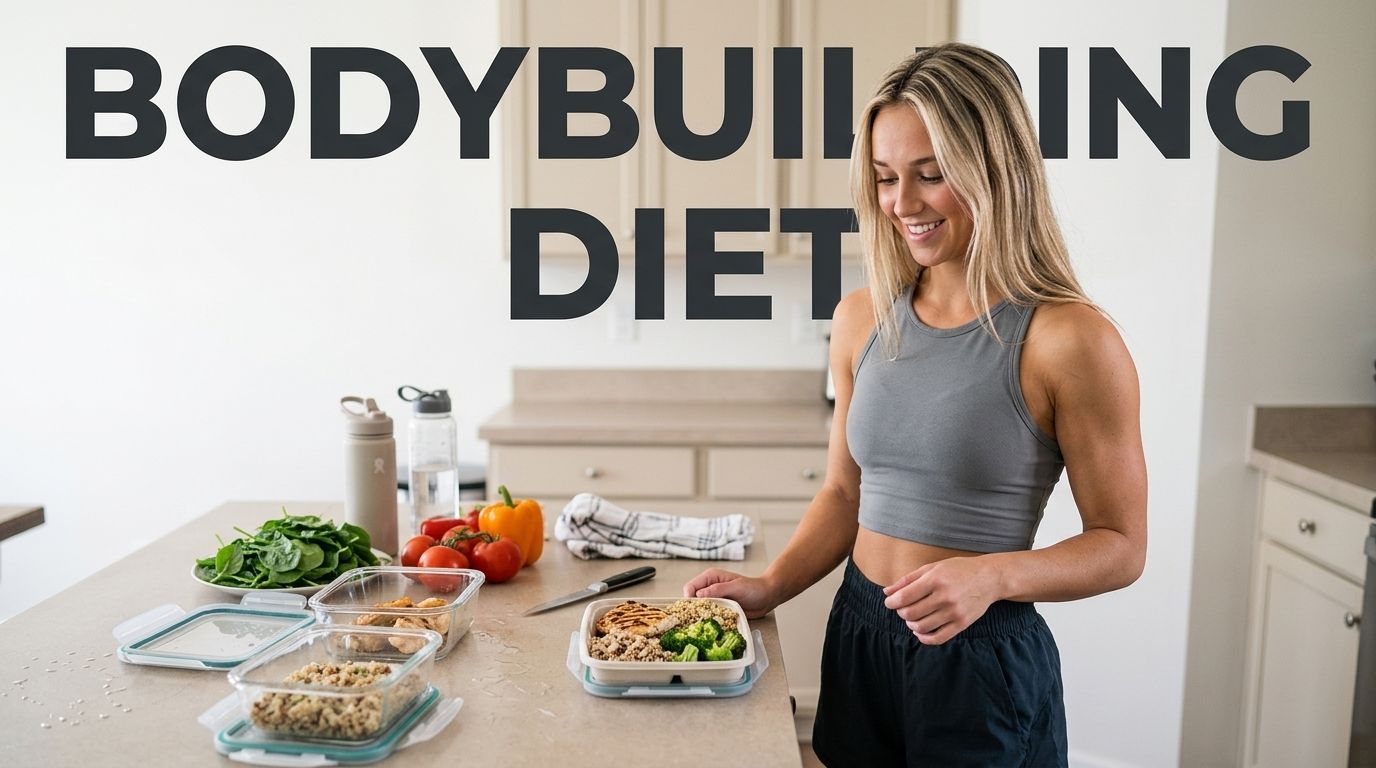
A bodybuilding diet splits every calorie into a precise ratio of protein, carbohydrates, and fat so the body gains muscle without storing excess fat. Most competitive and recreational lifters follow a 55/30/15 macro split during off-season training blocks.
The difference between a productive bulk and a sloppy one often comes down to food selection and meal timing. Research shows that 1.6 to 2.2 grams of protein per kilogram of body weight, paired with high-glycemic carbs after training, keeps muscle protein synthesis elevated throughout the day. This guide covers every phase, from surplus to deficit, with the exact foods and ratios that work.
Whether you’re prepping for a show or just want to fill out a t-shirt, a structured bodybuilding diet delivers faster, more visible results than any training program alone. Here is how to build one that actually sticks.
What Is a Bodybuilding Diet and Why Does It Matter?
A bodybuilding diet is a calorie-controlled eating pattern designed to maximize muscle growth and minimize fat storage through precise macronutrient ratios. It typically follows a 55-60% carbohydrate, 25-30% protein, and 15-20% fat breakdown across 4 to 6 daily meals.
Unlike casual clean eating, this approach tracks total energy intake against a specific goal. During off-season phases, lifters eat roughly 15% above maintenance calories. During contest prep, they flip to a 15% deficit.
Here is why precision matters: the body responds differently to surplus and deficit conditions. Without tracked macros, most lifters either gain too much fat in a bulk or lose hard-earned muscle in a cut. The diet is the control mechanism that keeps both outcomes in check.
How Does a Bodybuilding Diet Differ From Normal Eating?
A standard Western diet provides about 0.8 grams of protein per kilogram of body weight, which is roughly half of what a bodybuilder requires. The gap between general nutrition guidelines and muscle-building needs is substantial.
Normal eating tends to be intuitive. A bodybuilding diet replaces intuition with measurement. Every meal has a target gram count for protein, carbs, and fat.
Meal frequency also changes. Most people eat three times a day. Bodybuilders spread intake across 4 to 6 meals to keep amino acid levels elevated and protein synthesis running steadily. That is not obsessive. It is strategic.
Who Benefits Most From a Structured Bodybuilding Diet?
Competitive bodybuilders depend on precise nutrition to hit stage-ready conditioning within a specific timeframe. Without structured macros, contest prep becomes guesswork and muscle loss accelerates.
Recreational lifters who have hit a plateau often break through by switching from loose eating to tracked macros. The structure removes the daily decision fatigue that derails most diet attempts.
Strength athletes and powerlifters also gain an edge. Adequate protein supports recovery between heavy sessions, and carbohydrate timing keeps glycogen stores full for the next workout.
What Are the Ideal Macros for Bodybuilding?
The ideal macro split for most bodybuilders falls between 55-60% carbohydrates, 25-30% protein, and 15-20% fat of total daily calories. This ratio supports both glycogen replenishment and sustained muscle protein synthesis.
These numbers come from decades of sports nutrition research and position stands from the International Society of Sports Nutrition. The ranges allow room for individual preference and phase-specific adjustments.
Think of protein as the building material, carbs as the fuel, and fat as the hormonal regulator. Remove any one of them, and the whole system suffers.
Standard Bodybuilding Macro Split by Phase:
| Phase | Calories vs Maintenance | Protein | Carbs | Fat |
|---|---|---|---|---|
| Off-Season (Bulk) | +15% | 25-30% | 55-60% | 15-20% |
| Pre-Contest (Cut) | -15% | 30-35% | 45-50% | 15-20% |
| Maintenance | 0% | 25-30% | 50-55% | 20-25% |
How Much Protein Do Bodybuilders Actually Need?
Bodybuilders need between 1.6 and 2.2 grams of protein per kilogram (0.7 to 1.0 grams per pound) of body weight each day to maintain a positive nitrogen balance and support muscle repair.
During a cutting phase, protein needs climb higher. Research from Helms and colleagues suggests 2.3 to 3.1 grams per kilogram of lean body mass when calories drop below maintenance. The extra protein acts as a buffer against muscle breakdown.
Spreading protein across 4 meals at 0.4 to 0.55 grams per kilogram per sitting keeps muscle protein synthesis elevated more consistently than cramming it into one or two large meals.
Why Do Carbohydrates Fuel Muscle Growth?
Muscle glycogen is the primary fuel source during resistance training, and carbohydrates are the only macronutrient that replenishes it efficiently. Without adequate carb intake, training volume drops and recovery slows.
Carbs also trigger an insulin response. Insulin is anti-catabolic, meaning it helps prevent muscle tissue breakdown during and after intense exercise. It is not just about energy. It is about protection.
Post-workout carb timing matters. Consuming 1.2 grams per kilogram per hour at 30-minute intervals for 4 hours restores glycogen stores at the fastest documented rate. High-glycemic sources like white rice work best here.
How Much Fat Should a Bodybuilder Eat Daily?
Bodybuilders should keep dietary fat between 15% and 20% of total daily calories to maintain healthy testosterone levels and support fat-soluble vitamin absorption. Dropping below this floor creates hormonal problems.
Studies show that men who consume less than 15% of calories from fat experience a 10-15% reduction in circulating testosterone. For a sport built on anabolic hormones, that is a self-inflicted disadvantage.
Unsaturated fats from olive oil, nuts, and avocado support cardiovascular health, while excess saturated fat worsens lipid profiles. Prioritize the former and limit the latter.
Should You Bulk or Cut First?
The decision to bulk or cut first depends on current body fat percentage, with most coaches recommending a bulk below 15% body fat and a cut above 20%. Lifters in the 15-20% range can go either direction.
Starting a bulk at too high a body fat level means insulin sensitivity is already compromised. A greater proportion of surplus calories gets stored as fat rather than directed toward muscle.
Whichever phase comes first, commit to 8 to 16 weeks. Shorter blocks do not produce measurable changes. Longer blocks risk fatigue and compliance burnout. Pick a lane, set a timeline, and execute.
What Happens to Your Body During a Bulk?
A caloric surplus elevates muscle protein synthesis rates, giving the body the raw materials and energy it needs to add contractile tissue. This is the primary physiological advantage of a structured bulk.
Glycogen stores expand under high-carb conditions. That extra glycogen increases training volume capacity, which drives greater mechanical tension on muscle fibers. More tension means more growth stimulus.
Some fat gain is inevitable during a surplus. The goal is to keep the ratio of muscle gained to fat gained as high as possible by limiting the surplus to about 15% above maintenance.
How Does a Cutting Phase Preserve Muscle?
A well-structured cut preserves lean mass by combining high protein intake with a controlled rate of weight loss, typically 0.5% to 1% of body weight per week. Faster cuts sacrifice muscle along with fat.
Research on natural bodybuilders shows that raising protein to 30% of total energy during a deficit retains significantly more lean mass than keeping protein at 15%. The difference is visible on stage and on the scale.
Resistance training volume should stay as high as recovery allows. Dropping volume during a cut removes the stimulus that tells the body to keep its muscle tissue. Train hard, eat enough protein, and lose weight slowly.
Ready to speed things up? Get a proven weight loss plan built around these exact principles.
What Are the Best Foods for a Bodybuilding Diet?
The best bodybuilding foods combine high protein density, adequate micronutrient coverage, and practical affordability into meals that can be batch-cooked and stored for the week. Fancy ingredients are not necessary.
Whole foods should form the base of every meal. They deliver fiber, vitamins, and minerals that supplements cannot fully replicate. Processed foods have a small role for convenience, but they should not dominate the plate.
Our nutritionists at Eat Proteins consistently recommend building meals around a lean protein, a starchy carb, a vegetable, and a fat source. That four-part template hits every macro target without complicated recipes.
Which Protein Sources Build the Most Muscle?
Chicken breast, eggs, and whey protein rank among the top muscle-building protein sources due to their high leucine content and digestibility scores. Leucine is the amino acid that directly triggers muscle protein synthesis.
Animal proteins consistently score higher on the Digestible Indispensable Amino Acid Score than plant proteins. Plant-based lifters need to combine sources to cover all essential amino acids.
Top Protein Sources for Bodybuilding:
- Chicken breast: 31g protein per 100g, very low fat
- Whole eggs: 13g protein per 100g, includes healthy fats and choline
- Whey protein isolate: 25-30g protein per scoop, fast-absorbing
- Turkey breast: 29g protein per 100g, lean and versatile
- White fish (tilapia, cod): 20-26g protein per 100g, minimal fat
- Greek yogurt: 10g protein per 100g, includes probiotics
- Lean beef (93% lean): 26g protein per 100g, high in iron and B12
What Carb Sources Sustain Training Performance?
Oats, brown rice, and sweet potatoes provide sustained energy through low-to-moderate glycemic index carbohydrates that digest slowly and keep blood sugar stable between meals. These are the workhorses of bodybuilding nutrition.
Post-workout is the one time high-glycemic carbs earn their place. White rice, rice cakes, and dextrose spike insulin and shuttle glucose into depleted muscle cells faster than complex carbs can.
Vegetables add fiber, vitamins, and volume to meals without meaningful caloric cost. Broccoli, spinach, and bell peppers fill the plate and cover micronutrient gaps that grains alone cannot close.
Carb Sources by Timing:
| Timing | Best Sources | Glycemic Index |
|---|---|---|
| Morning / Pre-workout | Oats, sweet potatoes, whole grain bread | Low to Moderate |
| Post-workout | White rice, dextrose, rice cakes | High |
| Other meals | Brown rice, quinoa, vegetables | Low to Moderate |
Does Meal Timing Affect Muscle Growth?
Yes. Meal timing does affect muscle growth, though total daily protein and calorie intake matter more than the exact minute you eat. The anabolic window is real, but it is wider than most people think.
Consuming a protein-and-carb combination near training augments both muscle protein synthesis and glycogen resynthesis. Acute studies confirm the effect. Missing the window by an hour will not ruin gains if total daily intake is on target.
Where timing really shines is consistency. Eating at regular intervals trains hunger cues, stabilizes energy, and makes adherence automatic. That behavioral advantage is often more valuable than the physiological one.
What Should You Eat Before and After Training?
A pre-workout meal should include both protein and carbohydrates, consumed 1 to 2 hours before training to top off glycogen stores and prime amino acid availability. A chicken-and-rice bowl works perfectly here.
Post-workout, the priority shifts to speed. High-glycemic carbs paired with whey protein replenish glycogen and kickstart repair within the first 2 hours. This is when simple carbs earn their spot in the plan.
Dehydration of just 2% of body weight measurably reduces strength and endurance output. Water with a pinch of salt covers most lifters. Sports drinks are optional unless sessions exceed 90 minutes.
How Many Meals Per Day Optimize Protein Synthesis?
Four to six meals per day distribute protein intake in a pattern that sustains muscle protein synthesis more effectively than two or three larger meals. Bolus feeding studies confirm this dose-response relationship.
Each meal should contain 20 to 40 grams of protein to hit the per-meal synthesis threshold. Below 20 grams, the signal is too weak. Above 40, oxidation increases and the extra protein contributes more to energy than to muscle repair.
The best meal frequency is the one you will actually follow. If five meals a day feels unsustainable, four meals with slightly higher protein per sitting still captures most of the benefit. Consistency beats perfection every time.
Can a Bodybuilding Diet Hurt Your Health?
Yes. A poorly designed bodybuilding diet can create micronutrient deficiencies, worsen blood lipid profiles, and increase the risk of disordered eating patterns if taken to extremes. The diet itself is not dangerous. The execution can be.
Restrictive cutting phases are the biggest concern. When calories drop too low for too long, iron, calcium, and B-vitamin intake often fall below recommended levels. A daily multivitamin and regular blood work help catch gaps early.
Rigid food rules and obsessive tracking correlate with higher rates of orthorexia in competitive bodybuilders. If the diet starts controlling social life, that is a red flag worth addressing with a professional.
Does High Protein Intake Damage the Kidneys?
No. High protein intake at 2.2 grams per kilogram shows no evidence of kidney damage in healthy adults according to longitudinal cohort data spanning multiple years. This concern persists despite consistent research to the contrary.
The exception is pre-existing kidney disease. Individuals with chronic kidney disease experience accelerated decline on high-protein diets, which is why medical screening before starting any bodybuilding diet is a smart move.
Higher protein intake increases water needs. Adequate hydration at roughly 3 to 4 liters per day keeps renal function running smoothly at elevated protein levels.
Why Do Low-Fat Diets Lower Testosterone?
Testosterone is synthesized from cholesterol through a multi-step biochemical pathway, and dietary fat is the primary source of the cholesterol that feeds this process. Cut the fat, and you cut the raw material.
Intervention trials show that men who consume less than 15% of total calories from fat experience a 10-15% drop in circulating testosterone levels. For bodybuilders who rely on natural hormonal output, that reduction means slower recovery and reduced muscle retention.
Keeping fat at 15-20% of calories maintains normal testosterone production without adding excessive calories. Olive oil, almonds, and avocado are the simplest ways to hit that floor.
Daily Fat Intake Guide for Bodybuilders:
- Minimum: 15% of total calories (e.g., 50g on a 3,000-calorie diet)
- Optimal: 20% of total calories (e.g., 67g on a 3,000-calorie diet)
- Best sources: olive oil, almonds, walnuts, avocado, fatty fish
- Limit: saturated fat below 10% of total calories
Get Your Free Bodybuilding Meal Plan Now
Every principle in this guide works. But principles without a plan stay theoretical. Our coaches at Eat Proteins built a free bodybuilding meal plan that puts these macros, foods, and timing strategies into a daily schedule you can follow starting tomorrow.
The plan includes off-season and cutting templates, a grocery list, and per-meal macro targets. No guesswork. No subscription. Just a structured framework that takes the thinking out of your nutrition so you can focus on training.
Drop your email below and we will send it straight to your inbox.