
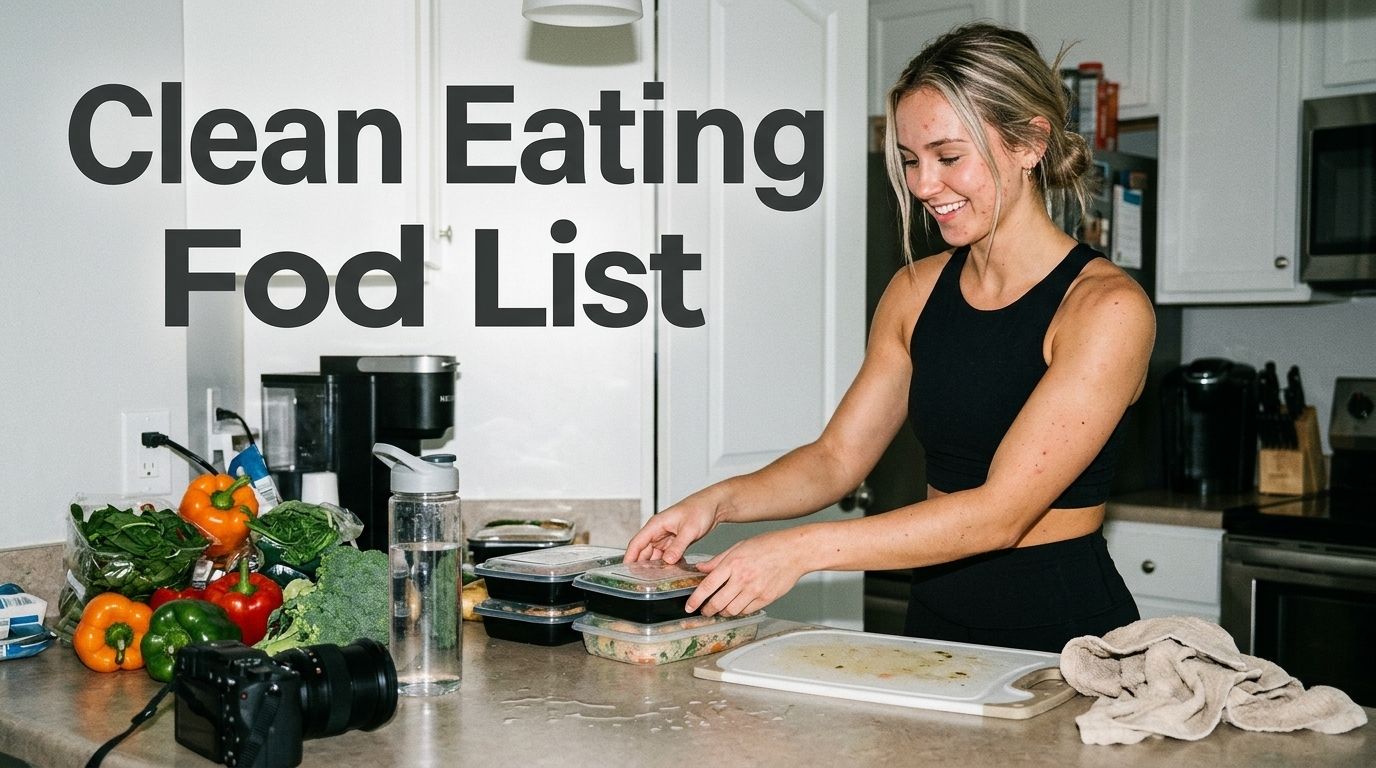
Clean eating is a dietary approach built on whole, minimally processed foods eaten as close to their natural state as possible. The concept covers everything from fresh produce and grass-fed proteins to whole grains and cold-pressed oils. Understanding which foods qualify and which ones don’t makes grocery shopping faster and meal planning simpler.
A solid clean eating food list spans six categories: lean proteins, whole grains, fruits, vegetables, healthy fats, and dairy alternatives. Each group delivers specific nutrients that support heart health, weight management, and sustained energy. The right list also flags processed offenders hiding behind ‘healthy’ marketing labels.
This guide breaks down every food category, explains the health benefits backed by research, and walks through common mistakes that trip up beginners. A free meal plan from Eat Proteins waits at the end to put this entire list into daily action.
What Is Clean Eating?
Clean eating is a dietary approach focused on consuming whole, minimally processed foods as close to their natural state as possible. The term carries no federal regulation in the United States. Interpretation varies widely among consumers and food manufacturers alike.
The approach prioritizes fresh fruits, vegetables, lean proteins, whole grains, and healthy fats. So what gets cut? Packaged snacks, added sugars, sodium, and trans fats fall outside the clean eating framework. Short ingredient lists signal clean food choices.
Clean eating gained mainstream traction through social media platforms. A survey of 1,200 participants ages 14 to 24 found that 55% learned about clean eating from social media, online sources, or peers. It’s no surprise that celebrity bloggers and fitness personalities drove the trend forward.
What Foods Count as Clean?
Clean foods have minimal processing, short ingredient lists, no artificial additives, and retain their original nutritional profile. The International Food Information Council survey found that clean eaters prioritize organic fruits, vegetables, and products with simple, recognizable ingredients.
Clean food categories span fresh produce, grass-fed and free-range proteins, wild-caught seafood, whole grains, legumes, nuts, seeds, and cold-pressed oils. Think of it this way: if a home cook would recognize every ingredient on the label, it’s probably clean.
How Does Clean Eating Differ from Other Diets?
Clean eating does not restrict entire macronutrient groups the way keto, paleo, or Whole30 programs do. Keto eliminates carbohydrates. Paleo bans grains and dairy. Clean eating focuses on food quality and processing level rather than macronutrient ratios.
Here’s what that actually means: clean eating allows all food groups including whole grains, legumes, and dairy in their unprocessed forms. Whole30 bans sugar, grains, dairy, and legumes for 30 days. Clean eating has no elimination phase and no time limit on the approach.
Clean Eating vs Other Diets:
| Diet | Restricts Carbs | Restricts Dairy | Time Limit | Focus |
|---|---|---|---|---|
| Clean Eating | No | No | None | Food quality |
| Keto | Yes | No | None | Macronutrient ratio |
| Paleo | No | Yes | None | Ancestral foods |
| Whole30 | No | Yes | 30 days | Elimination reset |
What Should a Clean Eating Grocery List Include?
A complete clean eating grocery list covers six essential categories: proteins, whole grains, fruits, vegetables, healthy fats, and dairy or dairy alternatives. Each category provides distinct macronutrients and micronutrients that support overall health and sustained energy throughout the day.
Here’s a practical tip: shop the perimeter of the grocery store where fresh produce, meats, and dairy sit on display. The center aisles house most processed and packaged foods. A perimeter-first strategy fills the cart with clean staples before temptation strikes.
Which Proteins Belong on a Clean Eating List?
Clean animal proteins include grass-fed beef, free-range chicken, turkey, duck, and eggs from pasture-raised hens. Wild-caught fatty fish like salmon, mackerel, sardines, and herring deliver omega-3 fatty acids. Lean fish options include cod, tilapia, halibut, and snapper.
Plant-based clean proteins include quinoa, buckwheat, lentils, chickpeas, black beans, edamame, tofu, tempeh, and nutritional yeast. These sources provide complete or complementary amino acid profiles for muscle repair and satiety.
Sustainably caught shellfish such as shrimp, oysters, mussels, lobster, crab, and scallops qualify as clean. Does the source matter? Research says yes. One to two 85-gram (3-ounce) servings of fatty fish per week may lower heart disease mortality risk by 36% according to a JAMA review of 20 studies.
Key Clean Protein Sources:
- Grass-fed beef, bison, and lamb
- Free-range chicken, turkey, and eggs
- Wild-caught salmon, mackerel, sardines, and cod
- Lentils, chickpeas, black beans, and edamame
- Quinoa, tempeh, and nutritional yeast
What Are the Best Clean Whole Grains?
Gluten-free clean grains include brown rice, wild rice, quinoa, millet, and buckwheat with their bran, germ, and endosperm intact. These whole grains retain maximum fiber and nutrient content. Quinoa stands out with 8 grams of protein per 185-gram (1-cup) cooked serving.
Gluten-containing clean grains include farro, barley, whole wheat couscous, oats, and sprouted grain products like Ezekiel bread and tortillas. Steel-cut or regular oats with no additives deliver more fiber than instant varieties. And here is the best part: they’re usually cheaper too.
Which Fruits and Vegetables Are Essential?
Essential non-starchy vegetables include leafy greens, broccoli, cauliflower, peppers, tomatoes, zucchini, mushrooms, artichokes, cabbage, beets, and onions. Sea vegetables like seaweed, kelp, and algae provide iodine and trace minerals absent from most land-grown produce.
Clean fruits include berries (acai, strawberries, blueberries, raspberries, blackberries), melons (watermelon, cantaloupe, honeydew), citrus, apples, bananas, mangos, pineapples, and kiwis. Fresh produce is ideal, but frozen without added sugar works equally well.
WHO recommends everyone over age 10 consume at least 400 grams (14 ounces) of fruits and vegetables daily. Children ages 2 to 5 need at least 250 grams (9 ounces). Children ages 6 to 9 need at least 350 grams (12 ounces) each day.
Non-Starchy Vegetable Essentials:
- Leafy greens: kale, spinach, arugula, romaine
- Cruciferous: broccoli, cauliflower, cabbage, Brussels sprouts
- Nightshades: tomatoes, peppers, eggplant
- Root vegetables: beets, carrots, onions
- Sea vegetables: seaweed, kelp, algae
What Are the Health Benefits of Clean Eating?
Clean eating nourishes the body with nutrient-dense foods rich in vitamins, minerals, high-quality protein, and healthy fats. These nutrients improve heart and brain health, assist with weight management, strengthen the immune system, and increase daily energy levels.
People with healthy eating patterns live longer and face lower risk for heart disease, type 2 diabetes, and obesity. For those with chronic diseases, clean eating helps manage conditions and prevent complications from progressing further. The good news? The benefits start showing up within weeks, not months.
Does Clean Eating Help with Weight Loss?
Yes. Clean eating does promote weight loss by eliminating processed foods that deliver empty calories, added sugars, and trans fats. Whole foods contain higher amounts of fiber and protein. Both macronutrients increase satiety and reduce overall calorie consumption without deliberate restriction.
Soluble fiber like beta-glucan in oats encourages fullness and dampens the urge to overeat. Is that a big deal? One cup of cooked oatmeal contains roughly 160 calories and nearly 4 grams of beta-glucan. The body digests fiber slowly, which keeps hunger away between meals.
Clean Foods vs Processed Foods:
| Food Type | Fiber per Serving | Added Sugar | Satiety Level |
|---|---|---|---|
| Steel-cut oats | 4 g | 0 g | High |
| Instant oatmeal | 2 g | 8-12 g | Low |
| Grilled chicken breast | 0 g | 0 g | High |
| Processed chicken nuggets | 0 g | 2-4 g | Low |
| Fresh berries | 3-4 g | 0 g | High |
| Fruit-flavored yogurt | 0 g | 15-20 g | Low |
Ready to speed things up? Get a proven weight loss plan built around these exact principles.
Can Clean Eating Improve Heart Health?
Yes. Clean eating improves cardiovascular health by replacing saturated and trans fats with polyunsaturated and monounsaturated fats from plant sources. WHO recommends less than 10% of total energy intake from saturated fat and less than 1% from trans fat of any type.
Eliminating processed foods dramatically reduces sodium intake. Here’s why that matters: most dietary sodium comes from packaged and restaurant foods, not from salt added during home cooking. Lower sodium intake reduces blood pressure and strain on the cardiovascular system.
How Do You Start Clean Eating as a Beginner?
Beginners start by replacing one processed food per meal with a whole food alternative each week. Shopping the grocery store perimeter, reading ingredient lists, and cooking meals from scratch using fresh ingredients builds the foundation of a clean eating habit.
A gradual transition prevents burnout and dietary fatigue. To be clear, don’t overhaul everything at once. Begin with breakfast by swapping cereal for oats. Tackle lunch and dinner over 2 to 3 weeks. Cooking from scratch remains the most effective way to control ingredients and portion sizes.
Steps to Transition to Clean Eating:
- Replace breakfast cereal with steel-cut oats, eggs, or a fresh smoothie
- Swap packaged lunch items for salads with whole food ingredients
- Cook dinner from scratch using fresh proteins and vegetables
- Replace processed snacks with fresh fruit, nuts, or hummus
- Read labels on every packaged item before purchasing
What Does a Clean Eating Meal Plan Look Like?
A balanced clean eating plate fills half with vegetables, one quarter with lean protein, and one quarter with whole grains. Healthy fats come from avocado slices, nuts, seeds, or an olive oil dressing. This plate structure keeps macronutrient balance consistent across meals.
Breakfast: steel-cut oats with berries and nuts. Lunch: kale salad with roasted sweet potatoes, walnuts, and vinaigrette. Dinner: grilled salmon with brown rice and steamed broccoli. Snacks: fresh fruit, nut butter on celery, or hummus with raw vegetables. Simple, right?
How Do You Read Labels for Clean Foods?
Clean foods have short ingredient lists with recognizable whole food names that a home cook would stock in the pantry. Artificial sweeteners (aspartame, sucralose), refined sugars (corn syrup, brown sugar), preservatives, and food dyes disqualify a product from clean eating status.
Here is the part most people miss: red flags include ingredients longer than three syllables, any form of added sugar in the first three positions, hydrogenated oils, and artificial colors or flavors. A five-ingredient maximum serves as a practical clean eating guideline for packaged goods.
What Foods Should You Avoid on a Clean Diet?
A clean diet eliminates highly processed foods high in added sugar, sodium, and trans fats that offer low nutritional value. Packaged snacks, candy, chips, soda, alcohol, and processed meats like hot dogs and spam represent sources of empty calories with minimal health benefit.
Artificial sweeteners to avoid include aspartame, neotame, saccharin, sucralose, xylitol, and erythritol. Refined sugars to eliminate include brown sugar, table sugar, and corn syrup. These additives trigger insulin spikes without delivering any nutritional return.
Worst Processed Food Offenders:
- Fruit-flavored yogurt with 15-20 grams of added sugar
- Fast-food salads with high-calorie dressings and toppings
- Enhanced water with artificial flavors and sweeteners
- Instant oatmeal with added sugar and reduced fiber
- Granola bars with 12-15 grams of hidden sugar per serving
Which Processed Foods Are the Worst Offenders?
The worst offenders include fruit-flavored yogurt loaded with added sugar, fast-food salads with high-calorie dressings, enhanced water with artificial flavors, and refined grains like white rice and white bread. Each product masks poor nutrition behind health-adjacent marketing language.
Instant oatmeal often contains added sugar and sodium with less fiber than whole oats. And it gets better: bottled lemon and lime juice frequently contain preservatives too. Even granola bars marketed as ‘healthy’ can pack 12 to 15 grams of added sugar per serving.
What Are Common Clean Eating Mistakes?
Common clean eating mistakes include an all-or-nothing mindset where one processed meal derails the entire plan. Ignoring portion sizes is another frequent error. Clean foods still contain calories, and overeating nuts, avocados, or whole grain pasta stalls weight management progress.
Skipping meal prep leads to convenience food reliance during busy weekdays. Now here’s the thing: not reading labels on items marketed as ‘clean’ or ‘natural’ allows processed ingredients to slip through. Eliminating too many foods at once creates nutrient gaps and dietary fatigue.
Can Clean Eating Become Obsessive?
Yes. Clean eating can develop into orthorexia nervosa, a pattern of disordered eating characterized by an obsessive focus on food purity. Clean eating taken to an extreme increases the risk of this condition, especially among younger social media users exposed to idealized food content.
Warning signs include increased anxiety around food, avoiding social situations involving meals, and preoccupation with food that interferes with daily activities. This is important: the National Alliance for Eating Disorders offers a daytime helpline staffed by licensed therapists for anyone who needs support.
How Long Does It Take to See Results from Clean Eating?
Most people notice increased energy and reduced bloating within the first 1 to 2 weeks of consistent clean eating. Visible weight changes typically appear within 3 to 4 weeks. Long-term metabolic improvements develop over 2 to 3 months of sustained whole food consumption.
Results depend on starting diet quality, activity level, sleep habits, and daily consistency. Is that fast? For a dietary change, yes. Someone transitioning from a heavily processed diet sees faster changes than someone already eating mostly whole foods with occasional processed items.
What Changes Happen in the First 30 Days?
The first 30 days of clean eating deliver measurable changes across four distinct weekly phases. Week 1 brings reduced bloating and fewer sugar cravings. Week 2 improves energy and sleep quality. Week 3 clears skin and strengthens digestion. Week 4 stabilizes appetite and shows weight changes.
Increased fiber intake from whole foods may cause temporary bloating or gas in the first 5 to 7 days. Don’t panic. Gut bacteria need time to adjust to the higher fiber load. This discomfort subsides as the microbiome adapts to the new dietary pattern.
Want Your Free Clean Eating Meal Plan from Eat Proteins?
You’ve got the science. Now you need the plan. Our nutritionists at Eat Proteins built a free 7-day clean eating meal plan with breakfast, lunch, dinner, and snack options using only whole, minimally processed foods. Every recipe uses ingredients from the grocery list in this guide.
A structured plan eliminates guesswork and makes clean eating sustainable beyond the first week. You’ll get a complete grocery list, daily menus, and portion guidelines delivered straight to your inbox. Don’t wait for motivation. Start with a plan that does the thinking for you.