
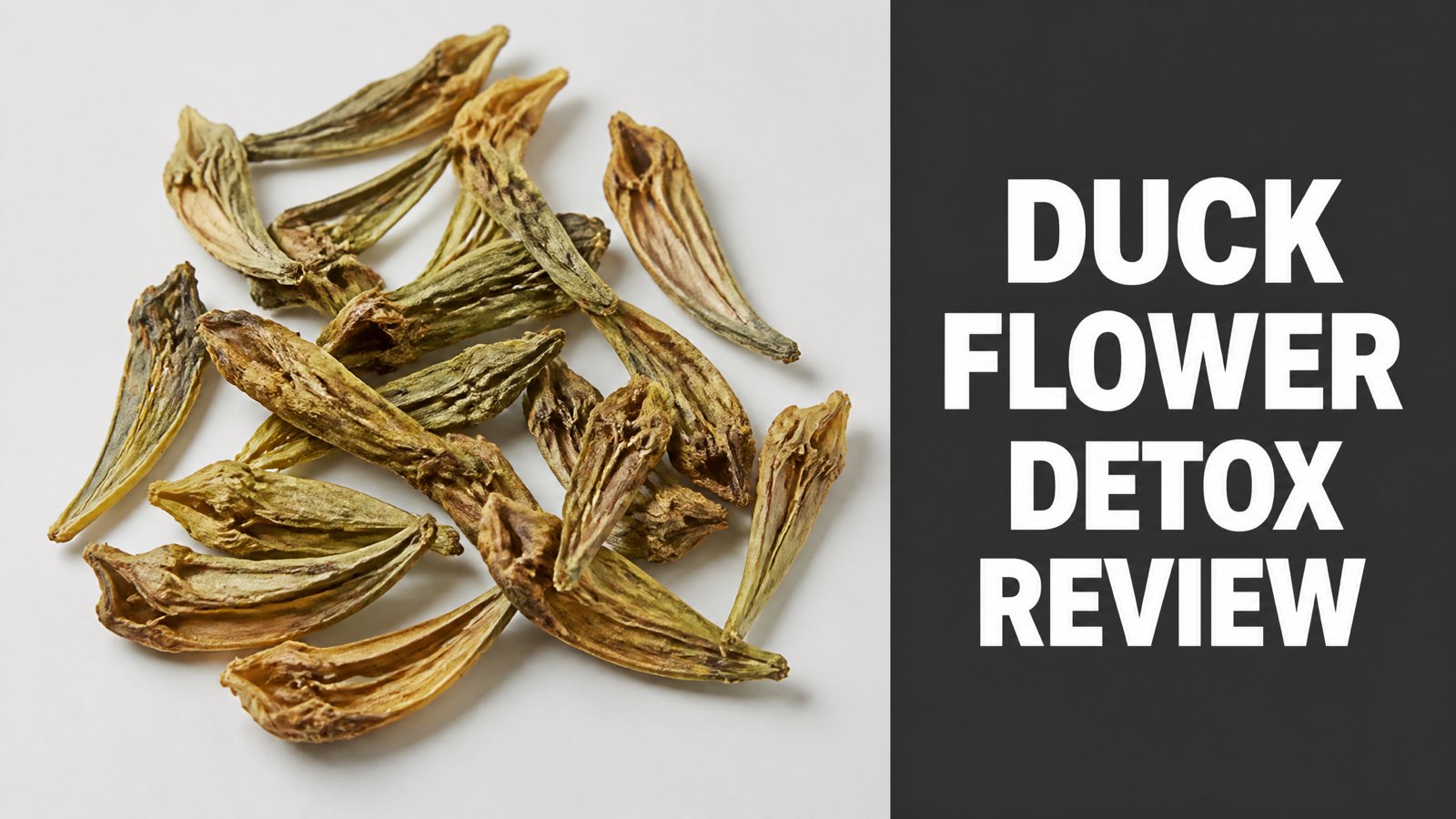
The Duck Flower Detox is an herbal tea made from dried blossoms of Aristolochia grandiflora. Sellers promote it as a traditional Jamaican cleanse. Our team at Eat Proteins reviewed the product, its claims, and its documented risks. Here’s the short version: the tradition is real, but the safety concerns are serious.
This review explains what the product is and how it gets sold. It tests the cleansing claims against the available evidence. Next, it covers aristolochic acid, the compound behind the main health concern. Most of the claims come from sellers, not scientists. Finally, it shows who must avoid the tea and how to check a seller. Each part gives one practical step.
The bottom line? The plant has a long folk history, but the risk is real. Keep reading for the full breakdown of safety, cost, and buying options. Our experts at Eat Proteins give you the facts first, so you can decide with clear eyes. You will also find a checklist for buying safely and a list of red flags.
What Is Duck Flower Detox?
The Duck Flower Detox is a dried herbal product sold as a tea or cleanse. It is made from the blossoms of Aristolochia grandiflora, a flowering vine. Locally, the plant goes by flor de pato and Palo Guaco. Most sellers describe the product as wildcrafted, which means it was gathered from the wild rather than farmed. That label says nothing about safety.
Key Facts:
- Botanical name: Aristolochia grandiflora
- Common names: duck flower, flor de pato, Palo Guaco
- Typical form: dried whole blossoms sold as tea
Where Does the Duck Flower Come From?
The plant is native to tropical America and grows wild in parts of Jamaica. Sellers say they hand-pick the blossoms and dry them in the sun. Harvest claims come from seller statements, so they cannot be checked independently. Quality can shift from one batch to the next, too. Proof of origin rarely appears on the label, so buyers must trust the seller.
How Does Duck Flower Detox Work?
The tea is promoted as a blood cleanser that flushes toxins from the body. Sellers rarely name a specific compound or pathway behind that effect. Instead, they lean on words like ‘reset’ and ‘cleanse.’ Short answer: no one has shown the mechanism in people. That gap in evidence is the first warning sign. Many sellers never explain the plant at all.
The plant’s chemistry is where the real story starts. Aristolochia species contain aristolochic acid, which is toxic to the kidneys. That compound is the reason regulators watch this product closely.
What Is Aristolochia Grandiflora?
Aristolochia grandiflora is a flowering vine in the birthwort family. Its large blossoms resemble a pelican’s beak, which is why it is also called pelican flower. Its tissues contain aristolochic acid, a compound tied to kidney failure and urinary tract cancers. That compound also appears in the seeds and roots. That makes every part of the plant a concern.
Many countries restrict products that contain aristolochic acid. The European Union has banned it in herbal medicines. The FDA has issued warnings against herbal products containing it. Yet the plant still appears in teas sold online.
Does It Actually Flush Toxins?
No. The product has no published human trials showing it removes toxins from the body. Your liver and kidneys already handle that job every day. Claims about flushing come from testimonials and tradition, not from lab studies. Sellers publish no lab data on toxin levels. The claim is marketing, not medicine. Ask any seller for the trial. Expect no answer.
In fact, the organs doing the flushing are the ones this plant can harm. Adding a tea does not speed up that work. It adds a risk to the very organs you want to protect.
What Are the Claimed Benefits?
Sellers claim the tea cleanses the blood, restores energy, and supplies minerals. Those statements appear on product pages and in reviewer blogs. Independent research on this exact plant is thin. To be clear, that gap matters more than the marketing. Sellers rarely list mineral amounts, so shoppers cannot compare. Read every claim with real caution.
Claims Versus Evidence:
| Claim | What the Evidence Shows |
|---|---|
| Cleanses the blood | No human trials were found |
| Flushes toxins | The liver and kidneys already do this work |
| Restores energy | No controlled studies were found |
Does It Really Boost Energy?
No. Published studies on Aristolochia grandiflora and human energy levels were not found. Energy claims rest on customer testimonials. Those reports can reflect rest, diet, or simple expectation. Anecdotes feel convincing, but they are not proof. Warm tea itself can feel uplifting, regardless of ingredients. Reviews rarely include blood tests. Trials matter.
Some drinkers say they feel lighter after a cup. Those reports are anecdotal and cannot prove the tea caused the change. The good news? You can avoid the risk by skipping the tea altogether.
What Are the Side Effects?
The biggest concern goes beyond an upset stomach. The real risk is kidney damage, which can develop slowly. Aristolochic acid has also been linked to liver injury and urinary tract cancers. Damage can build with repeated exposure, even at low doses. Damage can go unnoticed until late. Routine blood work helps most. Early labs can catch it sooner, too.
Here’s why that matters: kidney injury often causes no warning signs early on. By the time symptoms appear, damage may already be serious. So, catching it early depends on blood and urine tests.
Known Risks:
- Kidney damage
- Urinary tract cancer
- Liver injury
Is Aristolochic Acid Dangerous?
Yes. Aristolochic acid is classified as a known human carcinogen. The International Agency for Research on Cancer places it in its highest risk group. Exposure through herbal products has caused serious kidney disease in many documented cases. Regulators treat it as a serious hazard. Symptoms can appear years later. Tumors may develop long after exposure.
Exposure can come from teas, capsules, or powders sold as herbal cleanses. Symptoms may stay quiet for months. If you have taken the tea, stop use and contact a doctor. Ask for a kidney function test.
Who Must Avoid Duck Flower Detox?
Several groups must avoid this product completely. People with kidney or liver disease face the highest risk. Pregnant and breastfeeding women lack safety data for this product. Those gaps alone are reason enough to skip it. Keep it away from children. Kidney strain can worsen fast in these groups. Talk with a kidney specialist if unsure. Ask first.
Anyone taking prescription medicines needs a doctor’s review first. Herbal teas can interact with blood thinners and other drugs. Older adults often have reduced kidney function, so their margin for error is smaller.
Is Duck Flower Detox Safe or Legit?
No. The product is not safe enough to recommend as a cleanse. Sellers may run legitimate businesses, but a legal storefront does not remove the chemistry problem. Legit and safe are different questions. Only the second one matters here. Sellers can be honest and still sell a risky plant. Ask for lab reports before buying. Legit does not mean safe.
Red Flags to Check:
- Claims to treat or cure disease
- No ingredient or harvest details
- Vague warnings instead of clear risk labels
Is It FDA Approved?
No. The FDA does not approve herbal teas before they reach shelves. The agency has issued warnings against aristolochic acid products. That means the FDA stance is caution, not endorsement. Check the FDA website before buying any herbal detox. The agency warns against risky botanicals in general. Read the warnings before you buy. Check the warning list.
Approval is not the only test. Legitimate sellers still stock products with risky ingredients. A clear ingredient list and third-party testing are better signs. Look for both before you buy.
How Much Does Duck Flower Detox Cost?
Prices vary widely across sellers and package sizes. Listings range from single-blossom packs to larger bags sold online. Shipping and handling can add meaningful cost, especially for imported products. Compare the full price, not the sticker price. Hidden fees can push the total higher. Bulk packs sometimes cost less per unit. Compare totals at checkout.
Steps to Check Before Buying:
- Compare the price per blossom across sellers.
- Read the full ingredient list on the label.
- Confirm the seller’s return and refund policy.
- Ask a doctor about risks before you order.
Is It Worth the Price?
No. The price is secondary to the safety problem. Paying less does not lower aristolochic acid exposure, because the risk comes from the plant itself. A cheaper tea with the same ingredient carries the same danger. Cheaper options carry the same chemistry risk. Money spent here buys risk, not results. Price is not the issue here. Health comes first, always.
Safer habits support normal body function for far less. Drinking water, eating fiber, and sleeping well cost little. They also carry no known kidney risk. In plain English: skip the tea and spend on whole foods.
Where Can You Buy Duck Flower Detox?
Most buyers find the product on large marketplaces and seller websites. Amazon, Etsy, and brand sites list several versions. Each seller packages the plant differently. So, compare listings carefully before you commit. Each platform has different return rules. Marketplaces may offer buyer protection. Brand sites may offer clearer labels. Check shipping.
Common Sales Channels:
- Amazon marketplace listings
- Etsy shop listings
- Brand websites selling wildcrafted herbs
Are Amazon Listings Reliable?
Yes. Amazon hosts many independent sellers, so a listing proves little on its own. Check the seller name, the ingredient list, and recent reviews. Look for any aristolochic acid warning before adding it to your cart. Seller ratings can hide weak safety practices. Verified purchase badges do not confirm safety. Read the full fine print before checkout.
Reviews often praise taste and packaging rather than safety. Five-star reviews sound convincing. Do they measure kidney risk? No, they don’t. Here is the part most people miss: ratings track the experience, not the chemistry.
Why Should You Try Eat Proteins?
Eat Proteins takes a different path than detox trends. Our experts at Eat Proteins focus on protein-first routines that build strength and steady energy. Our coaches prefer habits with clear, well-studied benefits. That approach keeps your body safe while you work toward your goals. Our coaches guide you toward safer, well-studied choices. Start today.
Protein supports muscle repair, fullness after meals, and steady energy. Those benefits are well studied and carry far less risk than aristolochic acid exposure. Our team at Eat Proteins can help you pick the right routine.
Why Choose Eat Proteins Over Detox Teas?
Detox teas promise quick resets. Protein-based habits deliver measurable, steady progress. Our team at Eat Proteins builds plans around meals you can keep up. Protein-rich meals keep you full longer than most teas. Those meals also support muscle repair and daily energy. Our coaches track progress week by week. You get structure without any hidden risk.
Don’t swap a proven routine for a risky tea. Start with one protein-rich meal today and build from there. Talk to your doctor first, then reach out to our coaches for practical guidance.