
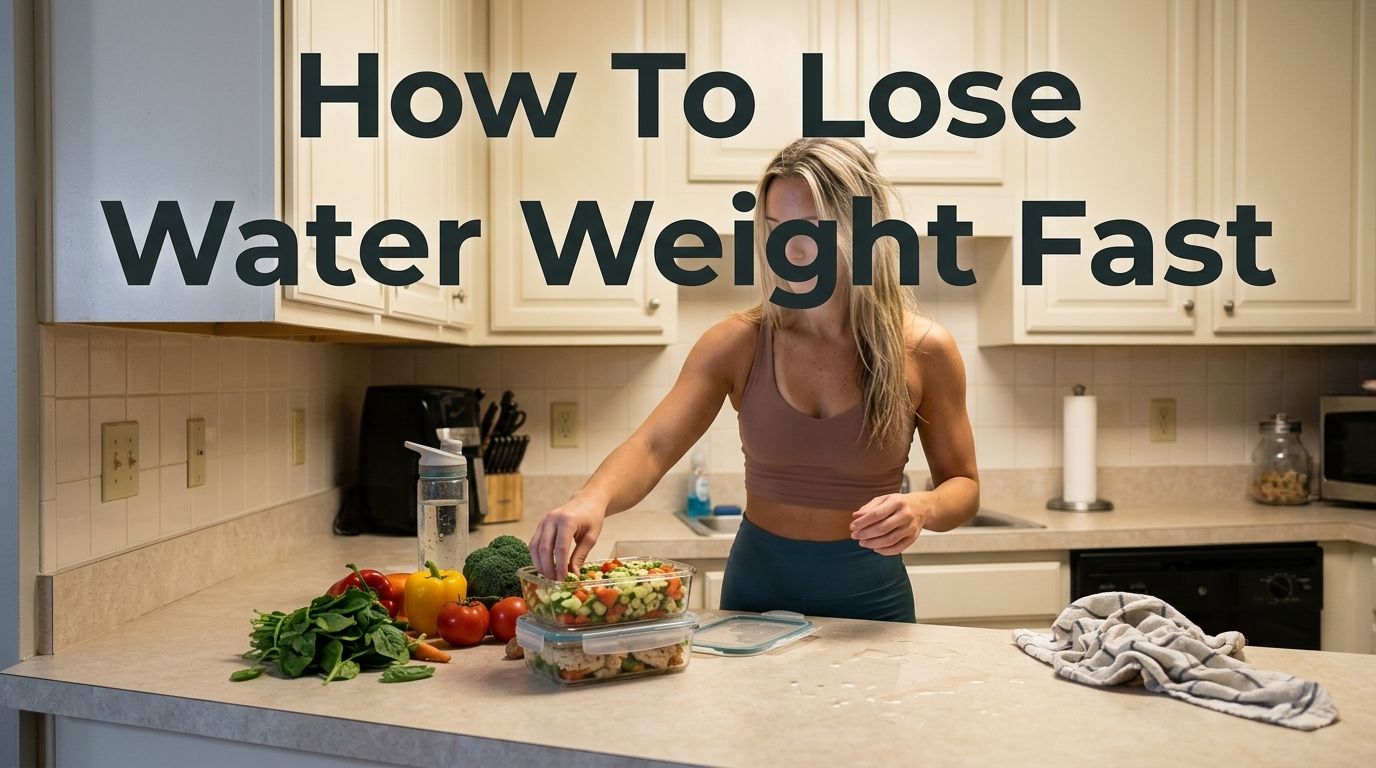
Water weight is excess fluid stored in body tissues, not body fat, and it can shift several pounds within a single day. It fluctuates based on sodium intake, carbohydrate consumption, hormonal shifts, and hydration levels. Water retention responds quickly to targeted diet and lifestyle changes.
Sodium is the primary driver of water retention, and reducing intake to 1,500–2,300 mg per day produces results in 24–72 hours. Potassium-rich foods like bananas, avocados, and spinach counteract sodium and increase urine output. Exercise depletes glycogen stores and reduces extracellular fluid. Sleep regulates the hormones that control long-term fluid balance.
This guide covers what water weight is, what causes retention, and the fastest evidence-based methods to reduce it. Readers learn which foods, nutrients, and habits flush excess fluid within days, and when persistent retention signals a medical condition requiring professional care.
What Is Water Weight?
Water weight is excess fluid stored in body tissues rather than body fat, and it can fluctuate by several pounds within a single day based on what you eat, drink, and how you move. Sodium, carbohydrates, hormones, and dehydration all influence how much fluid the body retains at any given moment. A high-sodium meal or elevated carb intake can add 2–3 lbs (0.9–1.4 kg) before the following morning.
And here’s the thing: water weight and fat loss are completely different processes. Fat requires weeks of sustained calorie deficit to reduce. Water weight responds within 24–72 hours to shifts in diet, hydration, and physical activity.
The lymphatic system drains fluid from tissues and returns it to the bloodstream. When electrolytes fall out of balance or drainage is disrupted, fluid accumulates in tissues. That produces the temporary puffiness and weight gain that most people associate with water retention.
What Causes Water Retention in the Body?
Water retention occurs when the body holds excess fluid in tissues due to sodium imbalance, hormonal shifts, elevated glycogen storage, or paradoxical dehydration, and identifying the trigger makes it much easier to fix. High sodium intake pulls water into tissues and raises total fluid volume. Processed and restaurant foods account for roughly 70% of daily sodium intake, making dietary choices the dominant driver for most people.
Common Causes of Water Retention:
- High sodium intake from processed and restaurant foods
- Elevated carbohydrate intake increasing glycogen stores
- Hormonal shifts during the menstrual cycle
- Dehydration triggering kidney fluid conservation
- Prolonged sitting or inactivity causing fluid pooling in the legs
- Medications that affect kidney sodium reabsorption
Each gram of glycogen stored in muscles and the liver holds 3–4 grams (0.11–0.14 oz) of water. High-carbohydrate intake keeps glycogen stores full and the fluid volume bound to them elevated. That’s why high-carb meals produce next-day bloat and scale increases.
Dehydration triggers renal conservation. The kidneys reduce urine output to hold onto fluid when hydration runs low. This mechanism increases water retention rather than reducing it. Drinking more water actually helps flush the excess out.
Is Water Weight the Same as Fat?
No. Water weight is not fat, and the two respond to completely different interventions over completely different timelines, so understanding the distinction prevents a lot of frustration. Water weight shifts 2–5 lbs (0.9–2.3 kg) within a single day based on sodium, carbohydrates, and hormones. Fat loss requires a sustained calorie deficit maintained over multiple days or weeks.
Scale fluctuations don’t reflect fat change. Experts recommend weighing at the same time each morning to account for normal daily variation. Overnight shifts on the scale are almost always fluid, not fat.
Early weight loss on low-carb or keto diets is primarily water. Glycogen depletion releases bound water fast. This explains why the scale drops quickly at the start of these diets before any actual fat loss occurs.
How Does Sodium Drive Water Retention?
Sodium binds to water in body tissues and regulates fluid balance inside and outside cells, and excess intake directly increases fluid volume throughout the body within hours of consumption. The body uses sodium concentration as a retention signal. High sodium raises that signal, pulling water out of circulation and into tissues rapidly. The effect is fast and measurable on the scale by the next morning.
Here’s the good news: reducing sodium intake produces visible results within 24 to 72 hours. Even modest cuts in processed food consumption lower sodium enough to reduce puffiness noticeably. No drastic action is required to see a difference.
Processed and restaurant foods supply roughly 70% of daily sodium intake. The salt shaker contributes far less than most people expect. Cutting packaged snacks, canned soups, deli meats, and fast food makes the biggest impact on total daily sodium.
How Much Sodium Should You Consume Daily?
The American Heart Association recommends limiting daily sodium to 1,500–2,300 mg for most adults, which equals roughly one teaspoon of table salt and far less than the average person actually consumes. Most people exceed this range significantly due to hidden sodium in packaged and processed foods. Staying within this limit reduces fluid retention without eliminating sodium, which the body needs for nerve and cellular function.
Food labels make identification straightforward. Foods at 5% or less of the daily value are low-sodium. Foods at 20% or more are high-sodium. Checking labels before buying prevents hidden sodium from derailing fluid reduction efforts.
Cooking from scratch gives full control over sodium content. Rinsing canned beans and vegetables removes a significant portion of added sodium. Replacing processed snacks with whole foods is the single most consistent way to lower daily sodium intake over time.
Do Refined Carbs Cause Water Retention?
Yes. Refined carbohydrates cause water retention by spiking insulin, which signals the kidneys to reabsorb more sodium, and more sodium retained means more fluid retained throughout body tissues. White bread, pasta, white rice, and pastries all produce rapid blood sugar and insulin spikes. Elevated insulin tells the kidneys to hold sodium. The fluid follows sodium wherever it goes.
Glycogen storage compounds this effect. Each gram of glycogen in muscles and the liver holds 3–4 grams (0.11–0.14 oz) of water. A high-carb diet keeps glycogen stores full and the associated fluid volume elevated day after day.
Moderate carb reduction lowers glycogen stores and releases bound water within a few days. Full elimination isn’t necessary. Switching from white bread and pasta to oats, brown rice, and whole grain alternatives produces a measurable drop in retained fluid over one week.
What Are the Fastest Ways to Lose Water Weight?
The fastest methods to lose water weight combine sodium reduction, increased hydration, potassium-rich foods, physical activity, and quality sleep, and visible results appear within 24–72 hours of consistent application across all five areas. No single strategy works as effectively in isolation. The body responds most quickly when multiple fluid-regulating systems are adjusted at the same time.
Fastest Water Weight Reduction Methods:
- Reduce sodium intake to below 2,300 mg per day
- Increase water intake to maintain pale yellow urine throughout the day
- Eat potassium-rich foods with every main meal
- Exercise for at least 20–30 minutes daily
- Get 7–9 hours of quality sleep each night
- Cut refined carbohydrates and processed foods
Sodium reduction shows results in 24–72 hours. Exercise generates same-day fluid loss through sweat. Improving sleep and managing stress support hormonal regulation that controls the longer-term retention patterns over 3–7 days.
Does Drinking More Water Actually Help?
Yes. Drinking more water helps reduce retention because low fluid intake triggers the kidneys to conserve water, which increases retention rather than reducing it, the opposite of what most people expect. When hydration is consistent, the kidneys function optimally and excrete excess sodium alongside retained fluid. The body only holds onto water when it anticipates a shortage.
Does urine color matter? Absolutely. Pale yellow urine indicates adequate hydration. Dark yellow urine signals dehydration and active kidney fluid conservation. Steady intake throughout the day outperforms large amounts consumed all at once.
High-water-content foods also support daily fluid balance. Melons, celery, cucumber, zucchini, radish, and kiwi contribute meaningful hydration alongside beverages. Including these in meals helps the body stay consistently hydrated without relying entirely on drinking large volumes of water.
Which Foods Flush Out Excess Water?
Potassium-rich foods flush excess water by counteracting sodium and increasing urine production, making them one of the most practical and effective dietary tools for reducing fluid retention without supplements or medication. Eating more potassium shifts the electrolyte balance away from sodium dominance. The kidneys respond by excreting more sodium, and water follows sodium out of the body naturally.
Best Foods for Reducing Water Retention:
- Bananas and avocados (high in potassium)
- Spinach, kale, and arugula (potassium and magnesium)
- Sweet potatoes and mushrooms (high-potassium vegetables)
- Asparagus (contains asparagine, a natural diuretic amino acid)
- Celery (diuretic and laxative enzyme activity)
- Oats, quinoa, and beets (fiber for digestive regularity)
- Watermelon, cucumber, and kiwi (high water content for hydration)
Asparagus contains asparagine, an amino acid with natural diuretic properties. Regular consumption supports reduction of swelling and PMS-related water retention. It also delivers significant fiber that supports digestive health alongside its diuretic effect.
Fiber-rich foods like oats, quinoa, and beets reduce bloating and support digestive regularity. Celery contains enzymes that act as both a diuretic and a mild laxative. That dual action makes it one of the most useful single foods for fluid reduction.
Does Exercise Remove Water Weight?
Yes. Exercise removes water weight in the short term by increasing sweat production and shifting fluid into working muscles, directly reducing the extracellular water that creates the puffy, soft look of retention. Even a 20–30 minute walk improves circulation and moves pooled fluid, especially in the lower legs after prolonged sitting or travel. Regular daily movement prevents fluid from settling and accumulating.
Moderate-to-vigorous aerobic activity at 60% or more of maximum heart rate reduces menstrual-cycle-related water retention. Body heat and heavy breathing during exercise both release significant fluid. The effect shows up on the scale the same day as the workout.
Resistance training depletes glycogen stores and improves insulin sensitivity. Both effects reduce the fluid volume bound to glycogen and lower sodium reabsorption in the kidneys. Two to three strength sessions per week maintain this benefit consistently and prevent the large fluid fluctuations that come with an inactive lifestyle.
What Nutrients Help Reduce Water Retention?
Three nutrients directly regulate fluid balance in the body: potassium, magnesium, and vitamin B6, and a deficiency in any one of them contributes to persistent water retention that dietary changes to sodium and carbs alone won’t fully resolve. Sodium, potassium, and magnesium work as a regulated trio at the cellular level. The adrenal glands transport these electrolytes across cell membranes. When one mineral is low, fluid distribution between cells and tissues breaks down.
Vitamin B6 supports fluid regulation through a separate pathway. A 2012 study showed B6 reduced bloating and fluid buildup in women with PMS. A 2016 study confirmed this result and found the effect was stronger when B6 was combined with calcium supplementation.
Does Potassium Reduce Water Retention?
Yes. Potassium reduces water retention by counteracting sodium and increasing its excretion through urine, directly targeting the primary driver of fluid buildup in most healthy adults who eat a standard modern diet. Higher potassium intake shifts the electrolyte balance away from sodium dominance. The kidneys respond by excreting more sodium, and water follows. That is why potassium-rich diets produce noticeable fluid reduction within a few days.
High-Potassium Foods to Add Daily:
- Avocados
- Bananas
- Spinach and kale
- Sweet potatoes
- Mushrooms and artichokes
- Mangoes and pistachios
- Nuts and seeds
Potassium and sodium operate on opposite sides of cell membranes. Potassium stays inside cells while sodium stays outside. When potassium levels fall, sodium and fluid accumulate outside cells. That produces the puffiness and bloat of water retention. Correcting the imbalance reverses the effect quickly.
Does Magnesium Help with Fluid Balance?
Magnesium supports fluid balance by working alongside potassium and sodium at the cellular level, and low magnesium is one of the most commonly overlooked contributors to persistent water retention in otherwise healthy people. The adrenal glands rely on adequate magnesium to transport electrolytes into and out of cells properly. When magnesium is insufficient, electrolyte regulation falters and fluid balance suffers across the board.
Magnesium supplementation is widely recommended for PMS-related bloating and fluid retention in women. Clinical use in that context is well-established. Research on its application for non-hormonal water retention is more limited but consistently positive in direction.
Natural Magnesium Food Sources:
- Almonds, cashews, and pumpkin seeds
- Spinach and Swiss chard
- Oats, brown rice, and quinoa
- Black beans and lentils
- Dark chocolate (70%+ cacao)
How Long Does It Take to Lose Water Weight?
Water weight loss begins within 24–72 hours of reducing sodium intake and typically resolves fully within 2–7 days when dietary adjustments, hydration, exercise, and sleep are all addressed together in combination. Exercise and increased hydration accelerate the process noticeably. Short-term fluid shifts from a single high-sodium meal or an intense workout usually resolve on their own within 24–48 hours without any special intervention.
Persistent swelling beyond a few days, especially if it comes with pain or stays concentrated on one side, points to a medical issue rather than simple dietary retention. Short-term daily fluctuations are normal and don’t warrant concern. Long-term fluid retention that doesn’t respond to lifestyle changes requires professional evaluation.
How Much Water Weight Can You Lose Quickly?
Normal daily water weight fluctuations range from 2–5 lbs (0.9–2.3 kg), and some individuals see temporary increases of up to 10 lbs (4.5 kg) from significant hormonal or dietary factors. Switching to a low-carb diet depletes glycogen stores fast. Each gram of glycogen holds 3–4 grams (0.11–0.14 oz) of water, so initial drops of 2–5 lbs within the first week are primarily fluid loss, not fat loss.
Water Weight Loss Timeline by Strategy:
| Strategy | Timeline | Typical Loss |
|---|---|---|
| Sodium reduction | 24–72 hours | 1–3 lbs (0.5–1.4 kg) |
| Exercise and sweat | Same day | 0.5–2 lbs (0.2–0.9 kg) |
| Low-carb diet | 2–7 days | 2–5 lbs (0.9–2.3 kg) |
| Increased hydration | 1–3 days | 1–2 lbs (0.5–0.9 kg) |
| Combined approach | 2–7 days | 3–7 lbs (1.4–3.2 kg) |
These losses are real but temporary. Returning to high sodium or carb intake restores the fluid quickly. Chasing water weight as a measure of fat loss progress is not a reliable long-term strategy.
Ready to take it further? Get a proven weight loss plan that combines water weight reduction with lasting fat loss built on these exact principles.
Experts recommend tracking waistline circumference instead of daily scale weight. Waistline measurements reflect actual changes in body composition more accurately than the fluid fluctuations that show up on a scale each morning.
When Should You See a Doctor for Water Retention?
A doctor should be consulted when water retention persists beyond several days, causes pain, or appears on one side of the body only, as all three of these signs point to serious underlying medical conditions that diet alone cannot address. Most everyday water retention resolves with dietary changes and activity. Persistent, painful, or asymmetric swelling requires professional diagnosis, not a home remedy or over-the-counter fix.
Excess fluid buildup is a recognized symptom of congestive heart failure, deep vein thrombosis (DVT), kidney disease, and liver disease. These conditions require medical evaluation and targeted treatment. Delaying care while attempting dietary fixes increases health risk significantly.
What Signs Indicate a Serious Fluid Problem?
Serious fluid retention warning signs include one-sided swelling, chest pain, shortness of breath, and swelling accompanied by redness or warmth, all of which may indicate deep vein thrombosis or heart failure and require immediate medical attention. Self-treating these symptoms with over-the-counter diuretics is dangerous. Unsupervised diuretic use causes severe dehydration and can worsen the underlying condition driving the retention.
Warning Signs That Require Medical Attention:
- Swelling on one side of the body only
- Redness, warmth, or pain in a swollen area
- Chest pain or difficulty breathing alongside swelling
- Swelling that does not improve after several days of dietary changes
- Swelling in the abdomen or face rather than just the limbs
Three types of prescription diuretics exist: thiazide, loop, and potassium-sparing. A healthcare provider determines the appropriate type based on the root cause. Self-prescribing any of them without knowing the cause is not safe and disrupts the electrolyte balance the body depends on.
Medications can also cause fluid retention as a side effect. Heart, kidney, and liver diseases are the most common medical causes of persistent edema. A proper diagnosis identifies the root cause before treatment begins, which is the only approach that actually resolves it.
Want Your Free Water Weight Reduction Plan?
You have the science. Now you need the exact daily plan. Our nutritionists at Eat Proteins built a structured 7-day protocol covering sodium targets, potassium-rich meal ideas, hydration timing, and a weekly movement schedule designed to reduce water retention within days. Most people know the theory but skip one or two of these levers. This plan makes sure you hit every single one.
Stop guessing and start seeing results. Get the free guide our team at Eat Proteins put together for fast, visible water weight reduction. Sign up below and it lands straight in your inbox.