
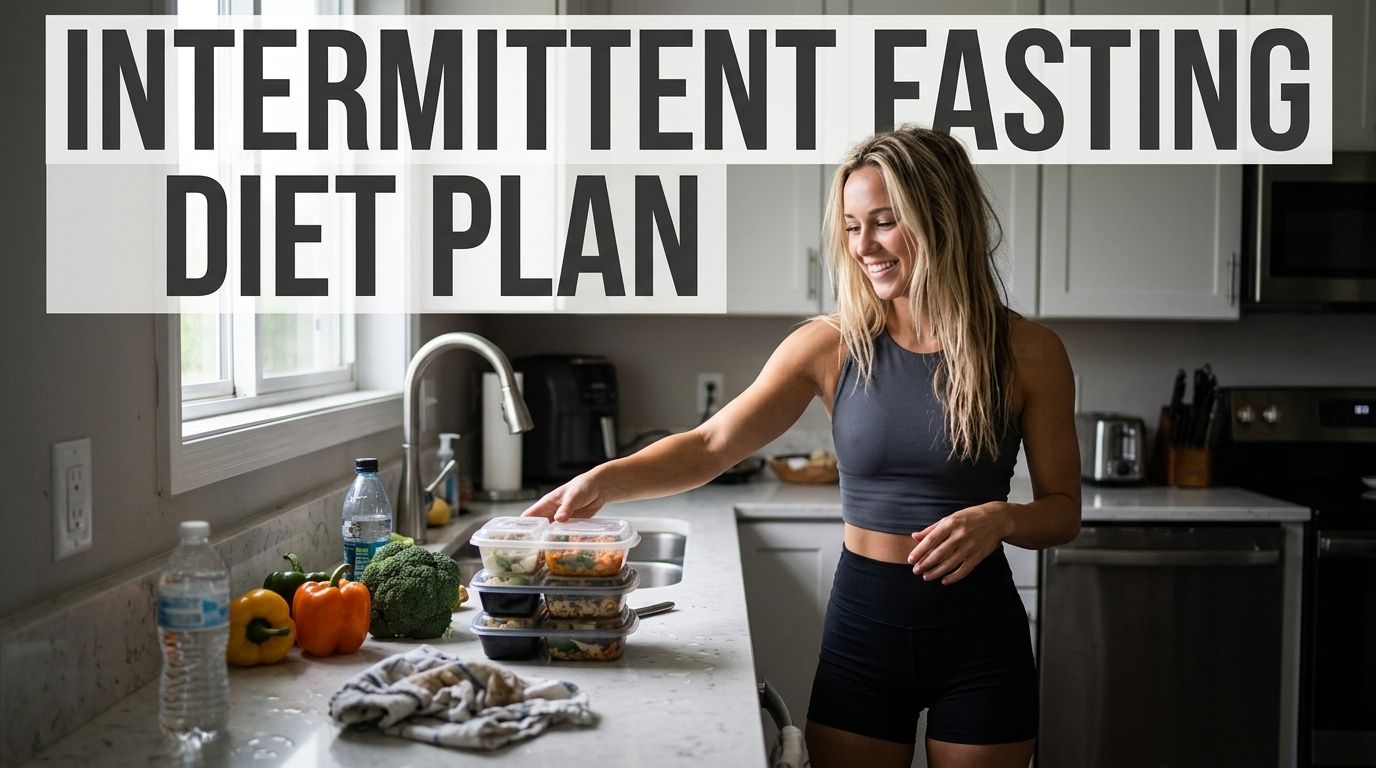
An intermittent fasting diet plan is a structured eating approach that cycles between defined eating windows and fasting periods, focusing on when to eat rather than what to eat. It supports weight management, metabolic health, and sustainable energy for a wide range of lifestyles.
Intermittent fasting includes six widely practiced methods, from the beginner-friendly 16:8 protocol to alternate-day fasting. The approach delivers measurable improvements in LDL cholesterol, fasting blood glucose, and systemic inflammation markers. A structured 7-day meal plan rotates lean proteins, whole grains, and fiber-rich vegetables across balanced meals. Exercise is compatible with fasting, with best results when workouts align with the eating window.
This guide covers how intermittent fasting works, which method fits your lifestyle, what to eat, how to start safely, and what mistakes to avoid. Our nutritionists at Eat Proteins have built a free 7-day meal plan to make every step clear and actionable.
What Is an Intermittent Fasting Diet Plan?
An intermittent fasting diet plan is a structured eating approach that cycles between defined eating windows and fasting periods, focusing on when to eat rather than what to eat. The method supports weight management, metabolic health, and overall well-being. The structure is flexible enough to fit diverse lifestyles without eliminating specific food groups.
Here is the key distinction. The main goal is not about cutting foods — it is about timing. Fasting periods allow insulin levels to fall below the threshold needed for fat storage. Low insulin signals the body to access stored fat as a primary fuel source. Most practitioners notice improved energy and appetite regulation within two to three weeks.
Unlike calorie-counting diets, intermittent fasting does not restrict specific foods during the eating window. Practitioners choose from several methods, including 16-hour daily fasts or twice-weekly calorie restriction. This adaptability allows people to build a plan that fits their social life and work schedule.
How Does Intermittent Fasting Work?
Intermittent fasting works by extending the body’s natural overnight fast past the point where stored glucose is depleted, forcing the liver to convert fat into ketones that serve as an alternative fuel source for the brain and muscles. Ketones enter the bloodstream and power the body throughout the fasting period. This metabolic shift improves fat oxidation, lowers circulating insulin, and enhances cellular insulin sensitivity over time.
Fasting reduces insulin for hours at a time. Why does that matter? Lower insulin is the key hormonal signal that unlocks stored body fat for energy. Human growth hormone levels also rise during fasting, supporting muscle preservation. Both effects are strongest in fasts lasting 12 hours (720 minutes) or more.
And here is what most people miss. Intermittent fasting lowers total calorie intake without requiring food tracking or measuring. Compressing meals into a defined window naturally limits overconsumption across the day. Most clinical studies show modest but consistent weight loss when any fasting method is followed for several months.
What Are the Most Popular Intermittent Fasting Methods?
Intermittent fasting includes six widely practiced protocols, each built around a unique eating window and fasting duration that creates a calorie deficit and metabolic shift through timed food restriction. The 16:8 method is the most popular and beginner-friendly option available. Options range from a gentle 12-hour fast to the stricter Warrior Diet. Each method produces metabolic benefits when paired with nutritional consistency.
Popular Intermittent Fasting Methods:
| Method | Eating Window | Fasting Duration | Best For |
|---|---|---|---|
| 12-Hour Fast | 12 hours | 12 hours | Beginners |
| 16:8 | 8 hours | 16 hours | Most lifestyles |
| 5:2 | 5 days normal eating | 2 low-calorie days | Flexible schedules |
| Alternate Day | Every other day | Every other day | Advanced practitioners |
| 24-Hour Weekly | 6 days normal eating | 24 hours, 1-2x/week | Experienced fasters |
| Warrior Diet | 4 hours | 20 hours | Advanced only |
The right method depends on lifestyle, health goals, and daily schedule. A 12-hour fast is the most accessible, since much of it occurs during sleep. The 5:2 method suits people who prefer fasting only two days per week rather than modifying every single day.
Nutrition experts recommend starting with a 12-hour or 16-hour fast before attempting 24-hour or alternate-day fasting. Jumping into extreme methods increases the risk of fatigue, irritability, and muscle loss. A gradual progression over two to four weeks helps the body adapt without severe side effects.
What Is the 16:8 Method?
The 16:8 method is a time-restricted eating protocol that limits food intake to an 8-hour daily window, with the remaining 16 hours spent fasting on water, black coffee, herbal tea, and other calorie-free beverages. A popular eating window runs from noon to 8 PM, allowing practitioners to skip breakfast and eat balanced meals through the afternoon and evening. Calorie-free drinks keep hunger manageable during the 16-hour fasting period.
The 16:8 method is widely considered the most sustainable form of intermittent fasting. Most of the fasting period occurs during sleep, reducing hunger and discomfort significantly. Common windows include 9 AM to 5 PM, noon to 8 PM, and 2 PM to 10 PM. Practitioners pick the window that fits their natural daily routine.
Beginners can ease into the 16:8 method by starting with a 12-hour fast and extending it by one hour each week. The body typically needs two to four weeks to fully adapt to the new eating schedule. Hunger decreases after the first week as ghrelin patterns align with the new eating window.
What Is the 5:2 Method?
The 5:2 method is a form of intermittent fasting where a person eats normally for five days each week and restricts daily calorie intake to 500 to 600 calories on the remaining two fasting days. Women follow a 500-calorie limit on fast days, while men follow a 600-calorie limit. The two fasting days do not need to be consecutive, giving practitioners full scheduling flexibility throughout the week.
A 2025 study published in the British Medical Journal reviewed 99 trials involving around 6,500 people with excess weight or obesity. The researchers compared three intermittent fasting protocols against continuous low-calorie dieting. All three fasting approaches produced small but consistent weight loss compared to eating normally across the full week.
On fast days, practitioners often split the 500 to 600-calorie allowance into a 200-calorie first meal and a 300-calorie evening meal. High-fiber and high-protein foods are recommended on fast days, as they reduce hunger within the restricted window. Apples, almonds, plain Greek yogurt, and hard-boiled eggs are top choices for fasting days.
What Are the Benefits of Intermittent Fasting?
Intermittent fasting delivers measurable improvements across weight management, cardiovascular health, blood sugar regulation, inflammation reduction, and metabolic function that compound over weeks of consistent practice. Most studies show reductions in LDL cholesterol, blood pressure, and fasting blood glucose after eight to twelve weeks. Research also links consistent fasting to reduced markers of systemic inflammation. These effects develop together when the fasting schedule is maintained reliably.
Key Benefits of Intermittent Fasting:
- Reduced LDL cholesterol and improved lipid profiles
- Lower fasting blood glucose and improved insulin sensitivity
- Reduced systemic inflammation markers
- Improved weight management and fat oxidation
- Potential longevity and brain health improvements
- Better control of chronic conditions in supervised settings
The 16:8 method is linked to extended longevity and improved brain health. Animal studies suggest fasting triggers autophagy, a cellular repair process where cells remove damaged and dysfunctional components. Human research on long-term effects is ongoing, and early findings are consistently promising across multiple health markers.
Studies of intermittent fasting in people with chronic conditions show better management of those conditions over time. Most trials have lasted only a few months, limiting conclusions about multi-year effectiveness. Long-term sustainability and benefit across a full lifespan require continued research in larger and more diverse populations.
Does Intermittent Fasting Help With Weight Loss?
Yes. Intermittent fasting does support weight loss by reducing total calorie intake, lowering insulin levels, and shifting the body into a fat-burning metabolic state during extended fasting windows. A 2025 BMJ study of 99 trials found all three major intermittent fasting protocols produced meaningful weight loss compared to eating normally. Alternate-day fasting showed 1.3 kilograms (2.9 pounds) more loss than continuous calorie restriction in trials lasting under 24 weeks.
The 16:8 method supports weight loss by compressing eating into a shorter window, which naturally reduces total daily calorie intake. Lower insulin during fasting periods signals fat cells to release stored energy. This mechanism accelerates fat loss without requiring strict food tracking or calorie counting throughout the day.
To be clear, intermittent fasting is not dramatically more effective than traditional calorie-restricted diets over the long term. Consistency matters more than the specific fasting method. People who maintain their fasting schedule and eat whole foods during eating windows see the most durable weight loss results over time.
Ready to speed things up? Get a proven weight loss plan built around these exact intermittent fasting principles.
Does Intermittent Fasting Improve Blood Sugar Control?
Yes. Intermittent fasting does improve blood sugar control in most people by reducing fasting insulin, increasing insulin sensitivity, and stabilizing glucose patterns across the day when combined with whole-food nutrition during the eating window. Most clinical studies show lower fasting blood glucose and improved glycemic markers after several weeks of consistent practice. A recent clinical trial confirms that time-restricted eating relieves key symptoms of metabolic syndrome, including elevated blood sugar.
Fasting periods lower circulating insulin, giving cells a sustained break from constant glucose stimulus. Improved insulin sensitivity means less glucose remains in the bloodstream after each meal. Choosing whole grains and high-fiber foods during eating windows further stabilizes blood sugar by slowing glucose absorption into the bloodstream.
People with diabetes or pre-diabetes should consult a healthcare provider before starting intermittent fasting. Blood sugar fluctuations during fasting windows can interact dangerously with glucose-lowering medications. Medical supervision ensures the fasting duration and meal timing are safe and appropriate for the individual’s specific health condition.
What Foods Should You Eat During Intermittent Fasting?
The best foods during intermittent fasting are lean proteins, whole grains, healthy fats, and fiber-rich fruits and vegetables that sustain energy, curb hunger, and protect the metabolic benefits created during each fasting window. Choosing nutrient-dense meals is essential to staying full and energized throughout the fasting period. Poor food choices during the eating window undermine fat burning and blood sugar control. Whole foods that stabilize insulin and reduce cravings should form the foundation of every meal.
Recommended Foods for Intermittent Fasting:
- Lean proteins: chicken, fish, turkey, tofu, eggs, Greek yogurt
- Healthy fats: avocados, nuts, seeds, extra-virgin olive oil
- Whole grains: brown rice, quinoa, oats, barley, farro
- Fiber-rich vegetables: broccoli, leafy greens, cauliflower, carrots
- Low-sugar fruits: berries, apples, oranges, peaches
- Hydrating beverages: water, herbal teas, black coffee, bone broth
Lean protein sources stabilize blood sugar, build and repair muscle, and support a healthy metabolism. Protein-rich meals also reduce hunger hormones, making the fasting window significantly easier to maintain. A palm-sized portion of protein in every meal is a reliable target during the eating window.
Healthy fats from avocados, nuts, seeds, and extra-virgin olive oil provide sustained energy and fat-soluble vitamins. Whole grains, including brown rice, quinoa, and oats, digest slowly and prevent blood sugar spikes between meals. Leafy greens, berries, and low-sugar fruits supply fiber, antioxidants, and essential micronutrients with minimal caloric impact.
Hydration is a critical part of any intermittent fasting plan. Water, herbal teas, and black coffee without sugar are permitted throughout fasting periods. Bone broth provides electrolytes during extended fasts over 16 hours. Adequate hydration prevents headaches, fatigue, and reduced focus during the fasting window.
What Foods Should You Avoid?
The foods to avoid during intermittent fasting are processed snacks, sugary beverages, and refined carbohydrates that spike insulin, disrupt fat burning, and eliminate the metabolic benefits created during each fasting period. Fast food, packaged snacks, soda, and sweetened coffee drinks are the highest-risk items during the eating window. White bread, pastries, and white pasta trigger blood sugar crashes that amplify hunger and undermine fasting effectiveness throughout the day.
Foods to Avoid During Intermittent Fasting:
- Sugary beverages: soda, sweetened coffee drinks, fruit juices
- Processed snacks: packaged chips, cookies, candy bars
- Refined carbohydrates: white bread, white pasta, pastries
- Fried foods and trans fats: fast food, commercial baked goods
- High-calorie creamers and sugar additives in coffee or tea
Fried foods and trans fats raise LDL cholesterol and increase systemic inflammation, reversing the cardiovascular benefits of intermittent fasting. These foods provide empty calories with minimal nutritional return. Avoiding them during the eating window preserves the metabolic and cardiovascular gains the fasting period created.
High-calorie beverages are among the most common mistakes in intermittent fasting. Sweetened coffee drinks and fruit juices contain enough sugar and calories to break a fast and spike insulin. Water, unsweetened tea, and black coffee protect the fasting state and can be consumed freely throughout both periods.
What Does a 7-Day Intermittent Fasting Meal Plan Look Like?
A 7-day intermittent fasting meal plan follows the 16:8 protocol with a noon to 8 PM eating window, rotating lean proteins, whole grains, and fiber-rich vegetables across two to three balanced meals and one optional snack each day. Day 1 opens with scrambled eggs and avocado on whole-grain toast at noon, Greek yogurt with almonds and berries at 3 PM, and grilled salmon with roasted sweet potatoes and steamed broccoli at 7:30 PM. Each day rotates protein sources to maximize micronutrient coverage throughout the full week.
Sample 7-Day Intermittent Fasting Meal Plan (16:8, noon to 8 PM):
| Day | First Meal (Noon) | Snack (3 PM) | Dinner (7:30 PM) |
|---|---|---|---|
| Day 1 | Scrambled eggs, avocado, whole-grain toast | Greek yogurt, almonds, berries | Salmon, sweet potatoes, broccoli |
| Day 2 | Oatmeal with peanut butter and banana | Hard-boiled eggs, hummus, cucumber | Grilled chicken, brown rice, green beans |
| Day 3 | Mixed greens salad, chickpeas, avocado | Apple slices, almond butter | Turkey stir-fry with quinoa and vegetables |
| Day 4 | Eggs and breakfast sausage, strawberries | Greek yogurt with seeds | Baked catfish, sauteed broccoli, olive oil |
| Day 5 | Tofu scramble with leafy greens | Mixed nuts and berries | Grilled chicken salad with olive oil dressing |
| Day 6 | Overnight oats with berries and walnuts | Hard-boiled eggs, hummus | Asian grilled salmon, bok choy stir-fry |
| Day 7 | Quinoa bowl with roasted vegetables | Apple and almond butter | Indian chicken curry, cauliflower, dark chocolate |
The rotating structure exposes the body to diverse micronutrients across the week. Variety reduces the risk of diet fatigue and keeps the plan engaging beyond the first few days. Pre-prepped ingredients make the daily eating window faster and more consistent throughout the full seven days.
A structured 7-day plan removes the guesswork about what to eat during intermittent fasting. Pre-planned meals reduce impulse food decisions and help practitioners stay within the eating window. Preparing ingredients in advance makes the daily eating window significantly more consistent across the full week.
How Should You Structure Meals in Your Eating Window?
Meal structure during intermittent fasting works best with one or two larger meals rather than multiple small snacks, allowing the body to spend more time in a low-insulin, fat-burning state between eating occasions. Condensed meal timing deepens the metabolic benefits of fasting by extending the period of low circulating insulin. Smaller, more frequent snacking interrupts this state and reduces the overall fat-burning advantage of the protocol. Two full meals with one optional small snack is the most widely recommended eating window structure.
Each meal should include a protein source, a complex carbohydrate, and a healthy fat. This balance stabilizes blood sugar and prevents intense hunger before the next eating window begins. People eating fewer than two full meals per day may benefit from a daily multivitamin to close nutritional gaps throughout the week.
Breaking the fast with gentler foods reduces digestive stress, particularly after fasts lasting 16 hours or more. Starting with a light protein source, such as Greek yogurt or eggs, before consuming heavier meals prevents bloating and blood sugar spikes. This approach protects the digestive system and maintains stable energy through the eating window.
What Are the Risks of Intermittent Fasting?
Intermittent fasting carries real risks that include fatigue, headaches, irritability, hormonal disruptions, and a tendency to overeat during the eating window, with most side effects peaking in the first two to four weeks of practice. Symptoms are most intense during the adjustment period and decrease significantly as the body establishes new metabolic and hormonal rhythms. Drinking water and electrolytes reduces the severity of early symptoms. Monitoring energy, mood, and sleep quality helps practitioners identify when the fasting protocol needs adjustment.
Common Risks and Side Effects:
- Fatigue and low energy during the first one to two weeks
- Headaches, especially if hydration is insufficient
- Irritability and difficulty concentrating during the adjustment period
- Hormonal disruptions, particularly in women
- Compensatory overeating during the eating window
- Menstrual cycle irregularities at high exercise volumes
One of the most documented risks is compensatory overeating during the eating window. Some people consume more calories during the eating window than they eliminated during the fast, negating the weight loss benefit entirely. Meal planning and portion awareness help prevent this well-documented pitfall from derailing results.
Intermittent fasting can alter hormonal balance, particularly in women. Some practitioners experience changes in menstrual cycle regularity, especially when combining fasting with calorie restriction and high-volume exercise. Women with known hormonal sensitivities should proceed with medical supervision and adjust fasting duration based on cycle timing.
Who Should Not Try Intermittent Fasting?
Certain people should not try intermittent fasting without first consulting a healthcare provider, including those with diabetes, a history of eating disorders, or chronic conditions requiring consistent calorie intake throughout the day. People taking medications that must be consumed with food face specific timing risks during extended fasting windows. Pregnant and breastfeeding women are advised against any form of calorie restriction without full medical supervision. Children and adolescents should not follow intermittent fasting protocols.
People with type 1 or type 2 diabetes face the highest risk from unsupervised intermittent fasting. Blood sugar can fall dangerously low during fasting windows, especially in combination with glucose-lowering medications. A registered dietitian can help design a modified fasting plan that manages these risks safely.
Anyone over age 65, those with a history of disordered eating, and individuals with low body weight should approach intermittent fasting with significant caution. Consulting a doctor before starting any fasting protocol is the safest and most important first step. Medical guidance matches the method to the individual’s specific health profile and medication list.
How Do You Start Intermittent Fasting as a Beginner?
Beginners should start intermittent fasting with a 12-hour daily fast and extend the fasting window by one hour each week until reaching the target protocol, giving the body time to adapt without severe hunger, fatigue, or metabolic stress. The 12-hour fast is ideal because most of the fasting occurs during sleep, making the transition nearly effortless. Hunger and irritability during the first week are normal and decrease significantly as the body recalibrates hunger hormones to match the new schedule.
Steps to Start Intermittent Fasting:
- Choose your method — start with the 12-hour or 16:8 protocol
- Set a consistent eating window and stick to the same hours daily
- Drink water, herbal tea, or black coffee throughout the fasting period
- Plan the first meal in the eating window with protein and healthy fat
- Extend the fasting window by one hour per week until you reach your target
- Monitor energy, sleep, and mood to adjust timing if needed
Staying hydrated is the single most important habit for beginners. Water, herbal teas, and black coffee without sugar can be consumed at any point during the fasting period. Fasts exceeding 16 hours may require electrolyte supplementation to prevent headaches, weakness, and muscle cramps throughout the extended fasting window.
The body typically takes two to four weeks to fully adapt to a new fasting schedule. Hunger peaks are strongest in the morning hours during this adjustment period. Planning first meals with protein and healthy fat reduces cravings and stabilizes energy throughout the remainder of the fasting window.
What Are the Most Common Mistakes to Avoid?
The most common intermittent fasting mistakes are overeating during the eating window, neglecting hydration, choosing processed foods, and fasting inconsistently, all of which reduce or eliminate the fat-burning and metabolic benefits the protocol is designed to produce. Overeating is the most frequent error, as many people unconsciously consume more calories than the fast created as a deficit. Treating the eating window as a reward period drives compensatory overconsumption. Planning meals in advance is the most effective prevention strategy.
Most Common Intermittent Fasting Mistakes:
- Overeating during the eating window and eliminating the calorie deficit
- Ignoring hydration and causing headaches or fatigue during fasting
- Choosing processed foods that spike insulin and counteract fat burning
- Shifting the eating window inconsistently from day to day
- Skipping meals instead of maintaining a structured eating window
Dehydration during fasting causes headaches, weakness, and reduced mental clarity. Many beginners forget that meals supply a significant portion of daily fluid intake. Setting hydration reminders throughout both the fasting and eating windows prevents this common and easily avoidable mistake.
Choosing processed or high-sugar foods during the eating window counteracts the fat-burning state created during fasting. Sugary snacks and refined carbohydrates spike insulin and undermine every metabolic gain from the fasting period. Building meals around whole, nutrient-dense foods protects the benefits of every fasting session throughout the week.
Inconsistent fasting patterns disrupt the hormonal rhythm that makes intermittent fasting effective over time. Randomly shifting the eating window by several hours each day prevents the body from establishing a stable metabolic routine. Consistent timing, combined with whole-food nutrition, produces the best long-term results with any fasting method.
Can You Exercise While Intermittent Fasting?
Yes. Exercise is fully compatible with intermittent fasting and can enhance fat-burning during the fasting window, though workout intensity and timing must align with the practitioner’s energy levels and fasting duration. Light activities, including walking, yoga, and stretching, are well-suited to the fasting state and carry minimal performance or health risk. Intense strength training and high-intensity interval training perform best during or immediately before the eating window. Adequate post-workout protein intake accelerates muscle repair and prevents catabolism.
Some research suggests that low-to-moderate exercise during a fasted state increases fat oxidation, as lower insulin and depleted glycogen prompt the body to burn stored fat for fuel. Athletes and advanced practitioners use this principle deliberately to accelerate body composition changes over time. Beginners should prioritize comfort and safety over performance optimization in the early weeks of combining fasting and exercise.
High-intensity exercise on an empty stomach carries a risk of muscle catabolism, particularly during extended fasts. The body may break down muscle protein for energy when glycogen is depleted and no dietary protein is available. Consuming a protein-rich meal immediately after intense fasted exercise prevents significant muscle loss.
When Is the Best Time to Work Out While Fasting?
The best time to work out while fasting is during the eating window or in the hour immediately before the first meal, making post-workout nutrition immediately available for muscle repair, glycogen replenishment, and full recovery. Working out just before breaking the fast combines the fat-burning benefits of the fasted state with full access to recovery nutrition in the eating window. This timing strategy is the most research-supported approach for people combining strength or endurance training with intermittent fasting. It maximizes both fat loss and muscle preservation simultaneously.
Low-intensity exercise during the fasting window is safe and beneficial for most practitioners. Walking, light cycling, and yoga do not deplete glycogen rapidly and can be performed without significant energy decline. These activities may accelerate fat burning by increasing energy expenditure while insulin remains low throughout the fasting period.
Beginners should track energy levels carefully during the first two to four weeks of combining exercise with fasting. Fatigue, dizziness, or declining performance signals that workout timing or intensity requires adjustment. Starting with shorter, lower-intensity sessions and gradually increasing load prevents early dropout and minimizes injury risk.
Want Your Free Intermittent Fasting Meal Plan?
You have the science. Now you need the plan. Our nutritionists at Eat Proteins have created a free 7-day intermittent fasting meal plan that eliminates the guesswork from choosing what to eat, when to eat, and how to structure meals for maximum fat loss and sustained energy. The plan includes meal timing templates built around the 16:8 protocol, food lists curated by our coaches, and beginner-friendly recipes. Every meal is designed to satisfy hunger, stabilize blood sugar, and fuel the body through each fasting window.
A structured meal plan prevents the most common mistakes, including overeating and poor food choices. Practitioners with a written plan are significantly more likely to reach their weight loss and metabolic health goals. The Eat Proteins free plan turns intermittent fasting from a concept into a daily, sustainable habit. Don’t follow the protocol blind — get the roadmap.
What Will You Get in the Eat Proteins Free Guide?
The Eat Proteins free guide includes a full 7-day meal plan, meal timing templates for the 16:8 protocol, curated food lists, beginner-friendly recipes, and expert tips from our nutritionists and coaches built around real-world fasting challenges. Every component reduces friction and makes intermittent fasting easier to maintain from day one. The guide is designed for people who want clear, actionable steps without sifting through conflicting nutrition information. Subscribers receive the guide directly to their inbox.
The guide uses the same structure our coaches at Eat Proteins apply with clients pursuing sustainable fat loss and metabolic health. Following the plan for seven days builds the eating habits and timing routines that make fasting sustainable long-term. Most beginners notice measurable improvements in energy and hunger control within the first two weeks of consistent practice.