
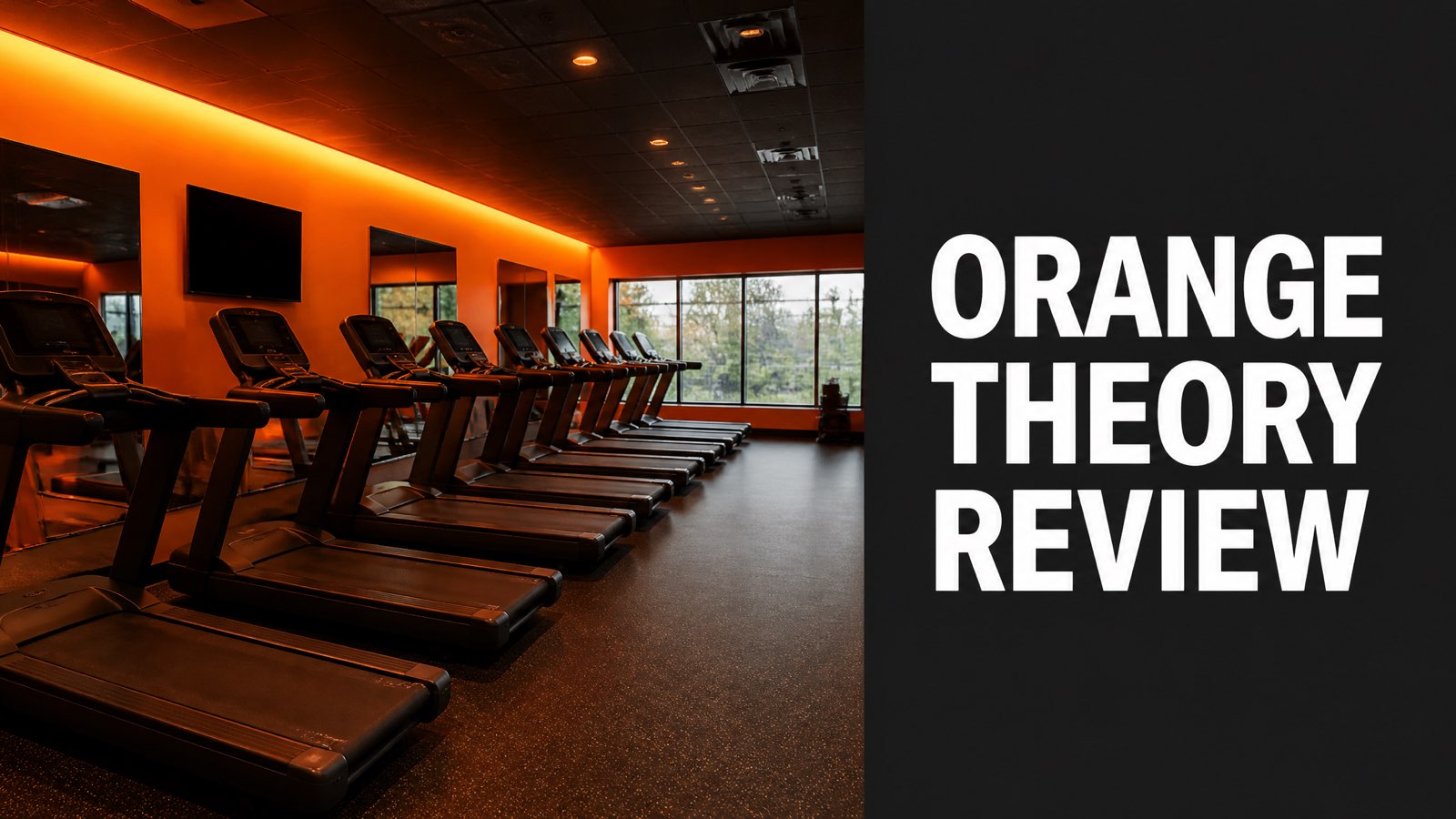
Orangetheory Fitness is a franchise of coached group workouts built on heart rate zones. Ellen Latham founded it in Florida in 2010. Each 60 minute class mixes treadmill intervals, rowing, and weight training for roughly 30 members. Studios operate across most US states and many other countries.
Heart rate monitors show every member’s effort on a screen. Coaches lead each class and set the pace. Members praise the coaching and the variety of workouts. Billing complaints dominate the negative reviews, led by cancellation fees. Memberships run from $0 to $189 per month depending on the plan, the city, and the studio. Expect a pitch after the trial.
The safest approach is a free first class and a careful read of the contract. Orangetheory works best for members who attend about three times a week. Read on for the zones, costs, complaints, and a clear verdict on whether this studio suits your goals. Our team at Eat Proteins checked the claims against reviews.
What Is Orangetheory?
Orangetheory Fitness is a group fitness franchise built on heart rate based interval training. Ellen Latham started the brand in Florida in 2010. Studios now operate across most US states and many other countries. Each class lasts about 60 minutes and fits roughly 30 members. Members move between treadmills, rowers, and weights. Coaches lead each one.
Here’s the thing: the format blends cardio and lifting in one session. A typical class pairs about 25 minutes of treadmill intervals with about 25 minutes of rowing and strength work. Our team at Eat Proteins sees why people who hate planning workouts love it.
Orangetheory Key Facts:
| Detail | Fact |
|---|---|
| Founded | 2010, Florida |
| Founder | Ellen Latham |
| Class length | About 60 minutes |
| Class size | Roughly 30 members |
| Main equipment | Treadmill, rower, free weights |
Who Founded Orangetheory?
Ellen Latham founded Orangetheory in Florida in 2010 as a heart rate based group workout. Registered dietitian Ginger Hultin calls her a fitness guru. The brand grew into a franchise with studios in most US states and many countries. Hultin signed up as a founding member at a new Seattle studio. Orange lit studios and equipment now appear almost everywhere.
Popular studios fill fast. Hultin reported trouble booking her preferred class times during her year as a member. In fact, demand shows how trendy the format became.
How Does Orangetheory Work?
Orangetheory works by tracking heart rate and pushing members into target zones during interval training. Each member wears a monitor. A screen shows every person’s zone in color. Coaches call out changes in speed, incline, and weight throughout the class. Members then adjust their own effort to match the coach’s call. Heart rate data guides the class.
Think of it this way: the monitor replaces guesswork. The Fitnessista blogger logged 12 minutes in the orange zone during her first class. Why does that number matter? Orangetheory links it to the afterburn effect, formally called excess post-exercise oxygen consumption.
Classes follow named templates. The standard Orange60 combines treadmill, rower, and weight floor work. Tread50 focuses only on treadmills. Strength50 focuses only on strength training. A coach leads every class from warmup to cooldown.
What Are the Heart Rate Zones?
Orangetheory uses four color coded heart rate zones displayed on screens around the studio. Blue marks warmup and cooldown. Green marks moderate effort. Orange marks the fitness zone. Red marks the upper limit. Coaches cue members to move between zones during each block of the class. Everyone sees their own color live. Members check the board for effort.
Heart Rate Zones:
| Zone | Effort Level |
|---|---|
| Blue | Warmup and cooldown |
| Green | Moderate, 71-83% of max heart rate |
| Orange | Fitness zone, 84-91% of max heart rate |
| Red | High limit, all-out effort |
Splat points count the minutes spent in the orange and red zones. Orangetheory recommends at least 12 splat points per class. And here’s a twist: PopSugar writer Taylor Andrews cares less about points after 250 classes.
What Are the Benefits of Orangetheory?
Orangetheory delivers structured cardio and strength training without any workout planning. Coaches design every session in advance. Members show up and follow instructions. Hultin says the format got her running when she normally would not run at all. Strength moves include squats, lunges, and deadlifts. Variety keeps every class fresh for members.
Main Benefits:
- Coach-led classes with no planning required
- Real-time heart rate feedback on screen
- Cardio and strength combined in one session
- Workouts that change from day to day
- Group accountability and community
Bottom line: the variety keeps classes fresh. Hultin notes that hills, all-out sprints, and walking breaks rotate constantly. Does pace matter? Not much. Beginners can power walk whenever needed.
Does Orangetheory Burn Calories?
Yes. Orangetheory burns a high number of calories, though results vary by member. Blogger Jess Keys reports burning around 650 calories per class. She estimates 200-300 calories from a home workout video at her best effort. Orangetheory credits interval work and the afterburn effect for the gap. Studios email heart rate stats to members after each class.
The good news? Intensity comes built in. The bad news? Marketing runs ahead of results. One reviewer says the sales pitch promised up to 900 calories in 60 minutes. Actual burn depends on weight, effort, and zone time.
What Do Orangetheory Reviews Say?
Orangetheory reviews split sharply between praise for the workouts and anger over billing practices. PissedConsumer rates the brand 2.0 out of 5 across 155 reviews. Trustpilot scores it below 3 out of 5. Workout quality rarely draws complaints. Reviewers rate coaching well even when they rate the company poorly. Read both sides before joining a studio.
Let me explain: coaches and classes earn most of the praise. Money and contracts earn most of the anger. So, the product and the paperwork get judged separately by members.
What Do Members Like?
Members praise the coaches, the community, and the structure of the workouts. One Trustpilot reviewer says intensity and consistency finally changed her body. Another visits many studios while traveling and finds the staff welcoming everywhere. Members also like that a coach guides every block. Reviews also mention fitness gains and supportive crowds.
Hultin liked that the heart rate board motivated her. She also found the gym less intimidating than CrossFit. What about age and fitness level? Her studio drew a wide range of both.
What Are the Common Complaints?
Billing disputes top the complaint list on every review platform checked. Members report charges after cancellation and fees for missed classes. Others describe trouble freezing accounts or switching plans. Each complaint comes from individual reviewers, not verified company data. Treat each claim as one member’s account. Read the contract carefully.
Common Complaints:
- Billing continues after cancellation requests
- An $18 late-cancel fee reported by one member
- A $30 no-show charge reported by another member
- Trouble freezing or downgrading memberships
- Trial classes overbooked with 12 first-timers
How Does Orangetheory Compare to Other Gyms?
Orangetheory stands apart from big box gyms through coached classes and live heart rate data. Planet Fitness and similar chains sell open gym access. Orangetheory sells a scheduled class led by a coach. The price reflects that difference. Members pay for coaching, data, and a ready made plan. Members pay for structure and a coach’s attention as well.
Gym Comparison:
| Gym | Trustpilot Score | Format |
|---|---|---|
| Orangetheory | 2.7 | Coached heart rate classes |
| Planet Fitness | 3.6 | Open gym access |
| Anytime Fitness | 2.5 | Open gym access |
| Crunch Fitness | 1.6 | Gym with group classes |
Is Orangetheory Better Than F45 or CrossFit?
No. Orangetheory is not universally better, but it offers more heart rate data than F45 or pilates studios. Andrews calls the zone tracking her favorite feature. Hultin did CrossFit for a year first and found Orangetheory far less intimidating. Many members find the zone display more useful than a stopwatch. Both formats suit different personalities and goals.
Studio quality varies, though. One Trustpilot reviewer left for F45 and called the difference night and day. Does the brand name guarantee a good studio? No. Visit your local one first.
Is Orangetheory Safe?
Yes. Orangetheory is safe for most healthy adults when members scale each move to their own level. Keys says coaches modify exercises for injuries and watch form closely. Hultin advises beginners to take the first class slowly and never lift beyond comfort. Coaches still cannot prevent every injury. Trainers demonstrate rower form before the first class.
To be clear, injuries still happen. One Trustpilot reviewer reports tendon injuries about six months into a 12-month contract. She describes the class culture as competitive. Who bears the risk? The member does, so pace yourself.
Who Should Avoid Orangetheory?
People with active injuries or medical limits should avoid high intensity classes until a doctor clears them. Hard intervals strain tendons and the heart. One member produced two doctor notes against high intensity training and still struggled to cancel. Anyone with a medical condition should talk to a doctor first. Doctors know each member’s history best.
Who Should Skip or Delay:
- People with unresolved tendon or joint injuries
- People with heart conditions lacking doctor clearance
- People whose doctors advise against high intensity training
- People unable to commit to a long contract
How Much Does Orangetheory Cost?
Orangetheory memberships cost between $0 and $189 per month depending on the plan and studio. PopSugar lists that range. City studios charge more than suburban ones, according to Keys. Members also buy a heart rate monitor separately, which adds to the upfront cost. Final pricing depends on the local studio, so confirm it in person. Hidden extras matter.
Pricing Notes:
| Item | Detail |
|---|---|
| Unlimited plan | Unlimited classes per month |
| 8x monthly plan | Eight classes per month |
| City studios | Higher monthly rates |
| Heart rate monitor | Separate purchase |
Is Orangetheory Worth the Price?
Yes. Orangetheory is worth the price for members who attend about three times a week. Keys calls three days a week a good average. She compares the cost to a regular gym membership she would never use. Attendance turns a pricey plan into a fair deal, and skipping classes turns it into waste. Reviewers who stayed report fitness gains and steady routines.
Here is the kicker: attendance decides value. Members who quit early lose money fast. Two reviewers report losses of $129 and $199 in billing disputes. Do monthly deals help? Studios run offers almost every month, so wait for one.
How Do You Join Orangetheory?
Joining Orangetheory starts with booking a first class at a nearby studio. Staff explain the equipment before class. A sales representative reviews packages afterward. Fitnessista commenters call the follow-up pitch aggressive. Decide on a plan at home, not at the front desk. Ask about every fee in writing. Joining takes only a few steps, so prepare ahead.
Steps to Join:
- Book a first class at a nearby studio.
- Arrive 30 minutes early for the equipment walkthrough.
- Eat a snack before class to fuel the workout.
- Wear supportive shoes and bring water and a towel.
- Read the contract and cancellation terms before signing.
Can You Try a Class First?
Yes. Many studios have offered a free first class to new members. Hultin, Keys, and the Fitnessista blogger all describe a free first class. PopSugar mentions a first month free promotion. Offers change by studio, so confirm before booking. A free trial lets members test the treadmill, rower, and zone screens. Some studios add promotions for new members.
In plain English: a trial costs nothing but can lead to a contract. Remember the 12-class clause one reviewer found? Read every line first. Short answer: take the trial, skip the pressure.
Should You Try Eat Proteins?
You wanted the truth about Orangetheory, and Eat Proteins delivered it. Our experts read the reviews, the contracts, and the complaints so you don’t have to. Fuel your workouts and your decisions with honest research from Eat Proteins.
What Should You Eat Around Orangetheory Classes?
Members need calories, protein, and anti-inflammatory foods to drive each workout. Hultin stresses fueling properly. Keys says burning over 600 calories means eating beforehand. Intense classes demand real fuel. So, eat a snack early and add protein afterward to recover well after hard strength blocks. Protein supports muscle repair and later recovery.
Ready to fuel up smarter? Explore more Eat Proteins reviews today, and your next purchase gets easier.