
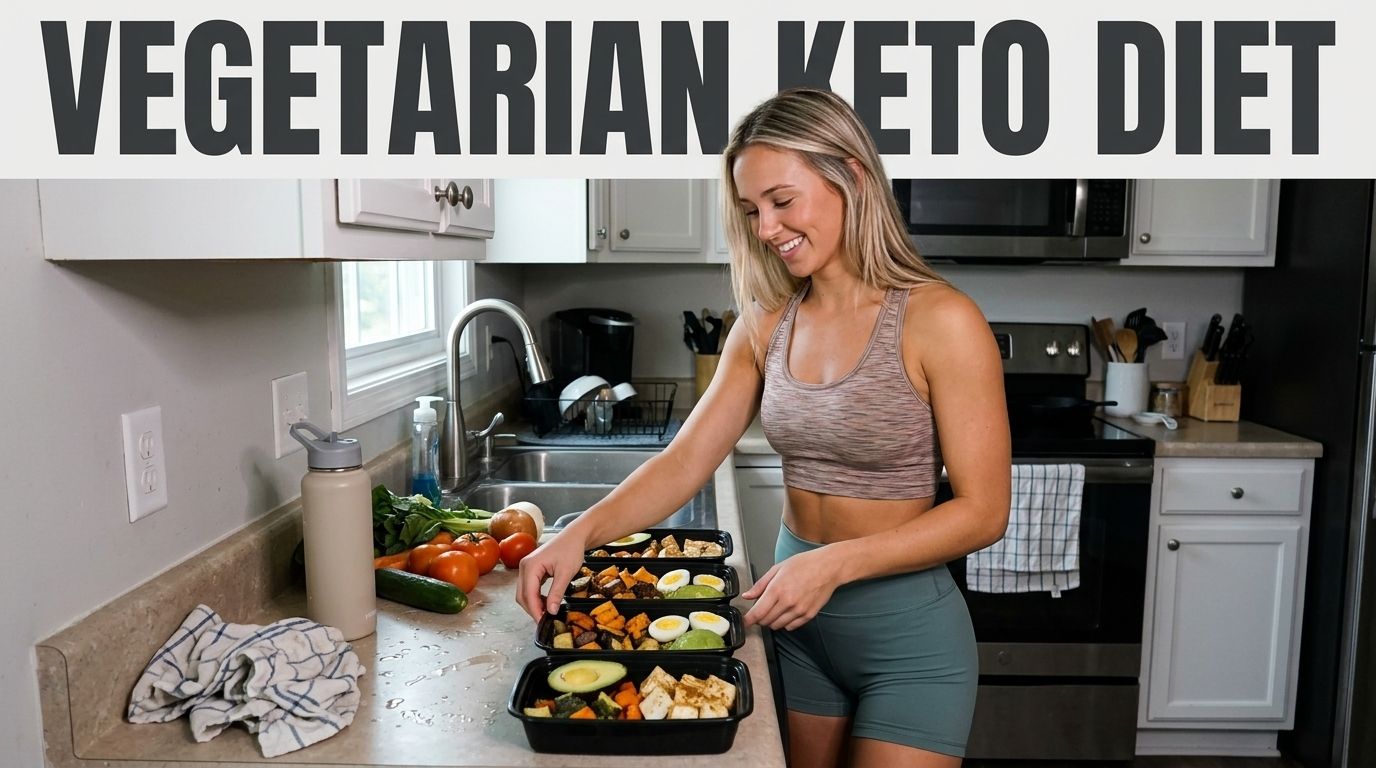
A vegetarian keto diet combines the high-fat, low-carb structure of ketogenic eating with a meat-free approach that relies on eggs, dairy, nuts, seeds, and non-starchy vegetables for fuel. The goal is reaching ketosis, where the body burns fat instead of glucose, while keeping daily carbohydrate intake between 20 and 50 grams. It’s one of the most challenging diet combinations to execute correctly, but it delivers real results when planned properly.
Research shows that ketogenic diets produce greater weight loss and reductions in belly fat compared to low-fat diets. Vegetarian versions add fiber, antioxidants, and anti-inflammatory plant compounds that standard meat-heavy keto lacks. But the restrictions stack up fast. Eliminating both meat and most carbohydrates narrows the food pool significantly, raising the risk of protein shortfalls, B12 deficiency, and keto flu symptoms.
This guide explains how vegetarian keto works, which foods to build meals around, the nutrients you need to watch, and who should avoid this approach entirely. It also includes a practical meal framework and the common mistakes that derail most beginners within the first month.
What Is a Vegetarian Keto Diet?
A vegetarian keto diet is a low-carb, high-fat eating pattern that restricts daily carbohydrate intake to 20 to 50 grams while excluding all meat, poultry, and fish. The standard ketogenic macronutrient ratio applies: 70 percent of daily calories from fat, 25 percent from protein, and 5 percent or less from carbohydrates. Plant-based fats, eggs, dairy, and moderate vegetarian protein sources replace the meat that traditional keto relies on.
The diet shifts the body into ketosis, a metabolic state where fat becomes the primary fuel source instead of glucose. Ketone bodies produced from fat oxidation power the brain and muscles when carbohydrate stores run empty. This metabolic switch is identical whether someone eats meat or not. The challenge for vegetarians lies in meeting protein and micronutrient targets within the narrow carb window.
Vegetarian keto has gained popularity as plant-based eating trends merge with the proven weight loss benefits of ketogenic protocols. The combination delivers anti-inflammatory benefits from plant foods alongside the metabolic advantages of sustained ketosis. But it requires more deliberate planning than either diet alone.
What Types of Vegetarian Keto Diets Exist?
Vegetarian keto diets range from lacto-ovo versions that include both dairy and eggs to stricter variants that eliminate one or both of these animal products. Lacto-ovo vegetarian keto offers the widest food variety and the easiest path to meeting protein and calcium targets. Ovo-vegetarian keto includes eggs but drops dairy. Lacto-vegetarian keto keeps dairy but excludes eggs.
Vegan keto, sometimes called ‘ketotarian,’ represents the most restrictive form. It eliminates all animal products and relies entirely on plant fats, nuts, seeds, tofu, and tempeh for protein. Meeting macronutrient targets on vegan keto demands precise meal planning and supplementation. Most nutrition professionals recommend starting with lacto-ovo vegetarian keto before attempting stricter versions.
Types of Vegetarian Keto Diets:
| Diet Type | Includes | Difficulty Level |
|---|---|---|
| Lacto-ovo vegetarian keto | Dairy, eggs, plant foods | Moderate |
| Ovo-vegetarian keto | Eggs, plant foods | Moderate-high |
| Lacto-vegetarian keto | Dairy, plant foods | Moderate-high |
| Vegan keto (ketotarian) | Plant foods only | Very high |
What Can You Eat on Vegetarian Keto?
A vegetarian keto meal plan centers on non-starchy vegetables, healthy fats, eggs, full-fat dairy, nuts, seeds, and plant-based proteins like tofu and tempeh. Non-starchy vegetables include spinach, kale, broccoli, cauliflower, zucchini, mushrooms, and bell peppers. Healthy fats come from avocados, olive oil, coconut oil, MCT oil, and nut oils.
Eggs provide the most complete protein source on vegetarian keto at 6 grams of protein per egg with virtually zero carbs. Full-fat Greek yogurt, hard cheeses like parmesan and cheddar, and cream cheese add both protein and fat without significant carbohydrate load. Nuts and nut butters contribute healthy fats and moderate protein, though their carb content requires portion control to stay within ketosis range.
Top Vegetarian Keto Foods:
- Non-starchy vegetables: spinach, kale, broccoli, cauliflower, zucchini, mushrooms
- Healthy fats: avocado, olive oil, coconut oil, MCT oil, nut oils
- Eggs: whole eggs, prepared any style
- Full-fat dairy: hard cheeses, Greek yogurt, cream cheese, butter, heavy cream
- Nuts and seeds: almonds, walnuts, chia seeds, flaxseeds, hemp hearts
- Plant proteins: tofu, tempeh, seitan (watch carb content)
How Does a Vegetarian Keto Diet Work?
A vegetarian keto diet works by depleting glycogen stores through extreme carbohydrate restriction, forcing the liver to convert fatty acids into ketone bodies that serve as the body’s primary energy source. The transition into ketosis typically takes 2 to 7 days of consuming fewer than 50 grams of net carbs daily. Once established, the body burns stored and dietary fat continuously rather than cycling between glucose and fat metabolism.
The vegetarian version achieves the same metabolic shift as standard keto by replacing meat-based fats and proteins with plant-based alternatives. Avocados, coconut oil, olive oil, nuts, and dairy provide the high fat intake. Eggs, cheese, tofu, and tempeh cover protein needs. The mechanism of ketosis does not change based on the protein source. Fat oxidation and ketone production proceed identically whether calories come from steak or from paneer and eggs.
How Do You Reach Ketosis Without Meat?
Reaching ketosis without meat requires keeping net carbs below 20 to 30 grams daily while sourcing 70 percent of calories from plant-based and dairy fats. Coconut oil and MCT oil accelerate the transition because medium-chain triglycerides convert to ketones faster than long-chain fats. Adding 1 to 2 tablespoons of MCT oil daily during the first week helps the body adapt to fat-burning more quickly.
Tracking macros is essential during the first 2 to 4 weeks. Many vegetarian staples like legumes, quinoa, and oats contain too many carbs for keto despite being healthy in other contexts. Here’s the thing most people miss. A single cup of lentils contains 40 grams of net carbs, enough to prevent ketosis entirely. Sticking to non-starchy vegetables, eggs, cheese, and measured portions of nuts keeps carbs in the safe range.
What Are the Best Protein Sources for Vegetarian Keto?
Eggs and hard cheeses deliver the highest protein-to-carb ratio of any vegetarian keto foods, making them the foundation of daily protein intake on this diet. Two large eggs provide 12 grams of protein with less than 1 gram of carbs. A 30-gram (1-ounce) serving of parmesan delivers 10 grams of protein with zero carbs. These two foods alone can cover 40 to 50 percent of daily protein needs.
Tofu and tempeh add plant-based variety. A 100-gram (3.5-ounce) serving of firm tofu provides 8 grams of protein with 2 grams of net carbs. Tempeh delivers 19 grams of protein per 100 grams with 9 grams of net carbs, making portions critical. Hemp seeds, pumpkin seeds, and almonds contribute additional protein along with healthy fats. Combining multiple sources throughout the day ensures all essential amino acids are covered.
Protein Sources Ranked by Carb Efficiency:
| Food | Protein per 100g | Net Carbs per 100g |
|---|---|---|
| Parmesan cheese | 35 g | 0 g |
| Eggs (2 large) | 12 g | 1 g |
| Tempeh | 19 g | 9 g |
| Firm tofu | 8 g | 2 g |
| Hemp seeds | 31 g | 3 g |
| Almonds | 21 g | 10 g |
What Are the Benefits of Vegetarian Keto?
A vegetarian keto diet combines the fat-burning metabolic state of ketosis with the fiber, antioxidant, and anti-inflammatory benefits of plant-based eating that standard meat-heavy keto lacks. The high vegetable intake provides polyphenols, flavonoids, and plant-based omega-3s from chia and flaxseed. These compounds reduce systemic inflammation while ketosis drives fat oxidation and weight loss simultaneously.
Clinical evidence supports both components independently. Meta-analyses show ketogenic diets produce greater weight loss and belly fat reduction than low-fat diets. Plant-based diets reduce cardiovascular disease risk, lower blood pressure, and improve gut microbiome diversity. The vegetarian keto combination captures advantages from both patterns when nutrient intake is carefully managed.
Does Vegetarian Keto Support Weight Loss?
Yes. Vegetarian keto supports weight loss by combining the appetite-suppressing effects of ketosis with the high fiber content of plant-based foods that increase satiety. Ketosis reduces hunger hormones like ghrelin while raising satiety hormones. Fiber from non-starchy vegetables and seeds slows digestion and stabilizes blood sugar between meals. The dual mechanism makes calorie reduction feel less restrictive.
A meta-analysis found that ketogenic diets led to greater weight loss than low-fat diets and proved useful in fighting obesity. Does the vegetarian version work as well? Research suggests comparable results when protein intake stays adequate. The key is preventing muscle loss by consuming at least 1.2 grams of protein per kilogram (0.54 grams per pound) of body weight daily from eggs, dairy, and plant sources.
Can This Diet Improve Blood Sugar Control?
Yes. Vegetarian keto improves blood sugar control by eliminating the high-glycemic carbohydrates that cause insulin spikes while increasing fiber intake that slows glucose absorption. The near-zero carb intake reduces the demand for insulin throughout the day. Clinical trials with type 2 diabetes patients on ketogenic diets show significant reductions in HbA1c levels and fasting glucose measurements.
The vegetarian component adds extra blood sugar stability. Leafy greens, avocados, nuts, and seeds contain fiber and healthy fats that moderate postprandial glucose response. So what does that mean in real terms? Our coaches at Eat Proteins have worked with clients who saw their A1C numbers drop by following these principles. The combination of ketosis and fiber-rich plant foods creates steadier energy levels than either approach delivers alone.
What Are the Risks of a Vegetarian Keto Diet?
A vegetarian keto diet carries elevated risks of protein deficiency, B12 shortfall, omega-3 inadequacy, and micronutrient gaps because it restricts both meat-based nutrients and carbohydrate-rich plant foods simultaneously. Standard vegetarians rely on legumes, whole grains, and quinoa for protein and B vitamins. Keto eliminates these foods due to their carb content, removing the safety net that makes vegetarian eating nutritionally viable.
The double restriction creates a narrow nutritional window. Without deliberate planning and supplementation, deficiencies develop within weeks to months. Iron, zinc, calcium, and vitamin D all require attention on this diet. Social and practical challenges compound the nutritional risks. Dining out, traveling, and meal prep become significantly more complex when both meat and most carbohydrates are off the table.
Which Nutrient Deficiencies Are Most Common?
Vitamin B12, omega-3 fatty acids, iron, and zinc represent the most common deficiency risks on vegetarian keto because the diet eliminates both meat sources and the fortified grain products that typically compensate. B12 occurs naturally only in animal products. Lacto-ovo vegetarians get some from eggs and dairy, but strict vegetarian keto dieters eating minimal dairy may fall short without supplementation.
Omega-3 fatty acids EPA and DHA are absent from plant foods. Flaxseed and chia provide the precursor ALA, but conversion rates to EPA and DHA run only 5 to 10 percent. An algae-based omega-3 supplement bridges this gap. Iron absorption from plant sources runs 2 to 20 percent versus 15 to 35 percent from meat. Pairing iron-rich foods like spinach with vitamin C sources like bell peppers increases absorption by up to 300 percent.
Supplement Recommendations for Vegetarian Keto:
- Vitamin B12: 250 micrograms daily or fortified nutritional yeast
- Algae-based omega-3: 250-500 mg combined DHA and EPA daily
- Magnesium: 200-400 mg daily to prevent keto-related cramping
- Vitamin D: 1000-2000 IU daily, especially with limited sun exposure
- Iron: pair plant sources with vitamin C; supplement only if blood work confirms deficiency
Is Keto Flu Worse for Vegetarians?
Yes. Keto flu tends to hit vegetarians harder because they lose two major energy sources simultaneously: meat-based fats they never ate and the complex carbohydrates they relied on for sustained energy. Symptoms include headaches, fatigue, brain fog, irritability, and constipation during the first 1 to 2 weeks of carb restriction. The body adapts to using ketones instead of glucose, but the transition feels more abrupt without the high fat intake that meat provides naturally.
Increasing sodium, potassium, and magnesium intake during the first 2 weeks reduces keto flu severity. Bone broth is a standard keto remedy, but vegetarians can use vegetable broth enriched with salt, avocado for potassium, and a magnesium supplement. Drinking 2 to 3 liters of water daily with added electrolytes helps maintain hydration as the body flushes glycogen and associated water stores.
How Do You Start a Vegetarian Keto Meal Plan?
Starting a vegetarian keto meal plan requires a 5-step approach: reduce carbs to under 30 grams daily, include a high-quality protein source at every meal, eat non-starchy vegetables at least twice daily, cook with healthy oils, and season with herbs and spices for variety. The first week focuses on carb elimination while the second week fine-tunes fat and protein ratios based on energy levels and satiety.
Meal prepping on weekends simplifies the daily execution. Batch-cook egg muffins, prepare cauliflower rice, portion out nut and seed mixes, and marinate tofu in advance. Think of it this way. The more prep done before the week starts, the less likely a carb craving leads to a ketosis-breaking decision at lunch. Structure removes willpower from the equation.
What Does a Typical Day Look Like?
A typical vegetarian keto day starts with eggs and avocado for breakfast, includes a tofu or cheese-based lunch with non-starchy vegetables, and ends with a fat-rich dinner built around paneer, cauliflower, or eggplant. Snacks include nut butter, cheese, and seeds. The macronutrient breakdown targets roughly 1500 to 1800 calories: 115 to 140 grams of fat, 60 to 80 grams of protein, and 20 to 30 grams of net carbs.
Breakfast: scrambled eggs with spinach cooked in coconut oil, half an avocado. Lunch: Greek salad with feta, olives, olive oil dressing, and a side of tofu. Dinner: saag paneer with cauliflower rice cooked in ghee. Snacks: a handful of almonds, celery with cream cheese. This template delivers the fat-heavy, moderate-protein, low-carb profile that sustains ketosis while providing fiber from vegetables.
Sample Vegetarian Keto Day:
| Meal | Foods | Net Carbs |
|---|---|---|
| Breakfast | 3 eggs, spinach, half avocado, coconut oil | 4 g |
| Lunch | Greek salad with feta, olives, tofu | 7 g |
| Snack | 30 g almonds, celery with cream cheese | 4 g |
| Dinner | Saag paneer, cauliflower rice in ghee | 8 g |
| Total | 23 g |
What Foods Should You Avoid?
Vegetarian keto requires avoiding all grains, legumes, starchy vegetables, most fruits, sugar, and processed carbohydrates alongside the standard vegetarian exclusion of meat, poultry, and fish. Rice, bread, pasta, oats, quinoa, lentils, chickpeas, and black beans are all off-limits despite being staples of most vegetarian diets. Potatoes, corn, sweet potatoes, and peas contain too many carbs for ketosis.
Most fruits exceed the carb budget in a single serving. A medium banana contains 24 grams of net carbs. An apple delivers 21 grams. Berries are the exception. A half-cup of raspberries provides only 3 grams of net carbs with valuable fiber. Processed vegetarian foods like veggie burgers, meat substitutes, and flavored yogurts often contain hidden sugars and starches that push carb counts past the ketosis threshold.
Foods to Avoid on Vegetarian Keto:
- All grains: rice, wheat, oats, corn, quinoa, barley
- Legumes: lentils, chickpeas, black beans, kidney beans, peas
- Starchy vegetables: potatoes, sweet potatoes, corn, beets
- Most fruits: bananas, apples, oranges, grapes, mangoes
- Sugar and sweeteners: honey, maple syrup, agave, table sugar
- Processed vegetarian foods: most veggie burgers, flavored yogurts, bread alternatives
Who Should Avoid Vegetarian Keto?
Pregnant or breastfeeding women, children, older adults, and individuals with chronic conditions should avoid vegetarian keto because the combined restrictions make it extremely difficult to meet the elevated nutrient demands these populations require. Doctors and dietitians consistently urge these groups to avoid keto in any form. The vegetarian layer adds further risk by eliminating the dense protein and iron that meat provides during high-demand life stages.
People with high cholesterol, diabetes requiring insulin, kidney disease, or a history of eating disorders should consult a physician before attempting this diet. The high fat intake may worsen lipid profiles in certain individuals. To be clear, vegetarian keto is an advanced dietary strategy that works best for healthy adults with experience in both vegetarian eating and macronutrient tracking. Beginners should start with standard vegetarian or standard keto before combining both.
Can Children or Pregnant Women Follow This Diet?
No. Children and pregnant women should not follow a vegetarian keto diet because growing bodies and developing fetuses require adequate carbohydrates, diverse protein sources, and broad micronutrient intake that this restricted pattern cannot reliably provide. Children need carbohydrate-fueled energy for brain development, physical growth, and sustained activity levels throughout the day.
Pregnant women require increased folate, iron, calcium, and caloric intake that the narrow vegetarian keto food pool makes extremely difficult to achieve. Ketosis during pregnancy has not been studied sufficiently to confirm safety for fetal development. In plain English, the stakes are too high and the evidence too thin to justify this level of restriction during pregnancy, breastfeeding, or childhood growth phases.
Looking for a sustainable approach instead? Get a proven weight loss plan built around flexible nutrition that works for your body and your goals.
Want Your Free Vegetarian Keto Meal Plan?
You’ve got the science, the food lists, and the risks mapped out. Now here’s the good news. The team at Eat Proteins built a free vegetarian keto meal plan with macro-calculated daily templates, a shopping list, and a 7-day starter guide from registered nutritionists who specialize in plant-based keto. No guesswork. No hidden carbs wrecking your ketosis. Just structured meals that keep you in fat-burning mode without the nutrient gaps.
Our nutritionists at Eat Proteins designed this plan to solve the exact problems most vegetarian keto beginners face: not enough protein, too many hidden carbs, and zero guidance on supplements. Science-backed coaching at zero cost. Don’t wing it and end up deficient. Grab your free plan and start burning fat the smart way.