
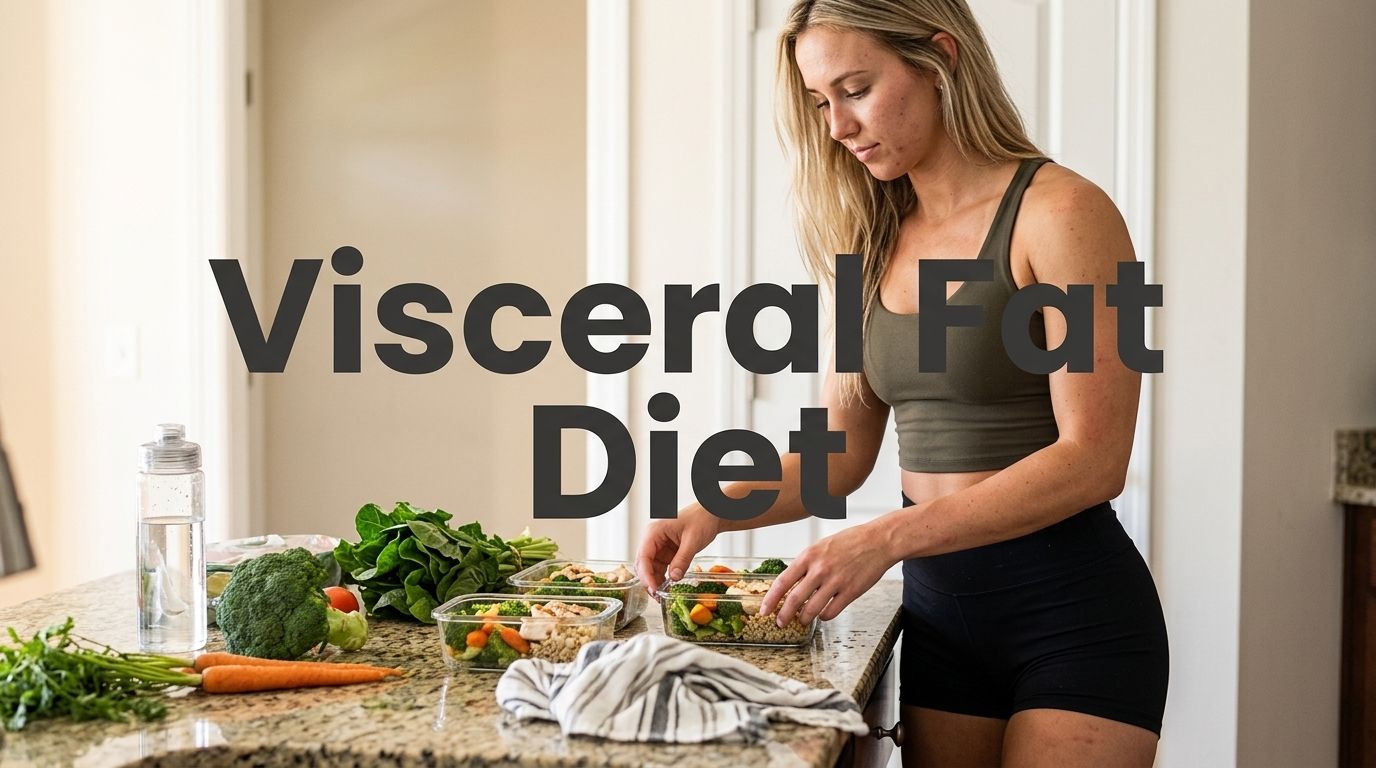
Visceral fat is the deep abdominal fat that wraps around internal organs like the liver, kidneys, and intestines. Unlike subcutaneous fat that sits beneath the skin, visceral fat produces inflammatory proteins called cytokines that increase the risk of type 2 diabetes, heart disease, and metabolic syndrome. A targeted diet rich in protein, fiber, and whole foods is the most effective way to reduce it.
Research shows that visceral fat responds faster to dietary changes than subcutaneous fat. Higher protein intake of 1.3 grams per kilogram (0.6 grams per pound) of body weight reduces visceral fat more effectively than standard protein levels. Soluble fiber, particularly inulin from garlic, onions, and oats, also shows strong results. The key is a consistent caloric deficit combined with nutrient-dense whole foods.
This guide covers what visceral fat is, why it’s dangerous, the best foods to eat, foods to avoid, a practical meal plan, and exercise strategies that target deep belly fat. Our nutritionists at Eat Proteins built every recommendation around published clinical evidence and dietitian-approved protocols.
What Is Visceral Fat?
Visceral fat is a type of body fat stored deep in the abdominal cavity, surrounding vital organs including the liver, stomach, and intestines. Everyone has some visceral fat. The body needs it to cushion and insulate organs. Problems arise when excess visceral fat accumulates beyond what the body requires for normal function.
Here’s the thing: visceral fat behaves differently from the fat you can pinch. Subcutaneous fat sits under the skin and is relatively harmless. Visceral fat is metabolically active. It produces cytokines, inflammatory proteins that trigger low-level chronic inflammation throughout the body. This inflammation drives cardiovascular disease, insulin resistance, and other metabolic conditions.
Cleveland Clinic notes that visceral fat also produces a precursor to angiotensin, a protein that constricts blood vessels and raises blood pressure. The deeper the fat stores around organs, the greater the inflammatory and cardiovascular impact on the entire body.
How Do You Know If You Have Too Much Visceral Fat?
Waist circumference provides the most practical at-home measurement for estimating visceral fat levels. A waist measurement above 102 cm (40 inches) in men or 88 cm (35 inches) in women indicates elevated visceral fat. BMI alone doesn’t capture visceral fat because it ignores where fat is stored on the body.
Medical imaging like CT scans and MRIs provide the most accurate visceral fat measurements. But for daily tracking, a simple tape measure around the waist at navel level works well. The waist-to-hip ratio offers another useful metric. A ratio above 0.90 for men or 0.85 for women signals excess visceral fat accumulation.
Why Is Visceral Fat More Dangerous Than Other Fat?
Visceral fat produces higher proportions of inflammatory molecules and metabolic disruptors than subcutaneous fat in any other body location. The proximity to vital organs means these inflammatory signals reach the liver, heart, and pancreas directly through the portal vein. This direct pathway accelerates disease progression.
Health Risks of Excess Visceral Fat:
- Type 2 diabetes from insulin resistance
- Heart disease from chronic inflammation and elevated blood pressure
- Stroke from arterial constriction via angiotensin production
- Fatty liver disease from direct fat deposition in the liver
- Certain cancers linked to chronic inflammatory states
- Metabolic syndrome from combined risk factor elevation
What Should You Eat to Lose Visceral Fat?
A diet rich in lean protein, soluble fiber, vegetables, whole grains, and healthy fats targets visceral fat reduction more effectively than calorie restriction alone. Dietitians agree that adding more plant foods to the plate is the single most effective dietary strategy for reducing deep belly fat. Fiber, antioxidants, and phytonutrients from plants reduce inflammation at its source.
A meal plan set at 1,500 calories per day with at least 86 grams of protein and 31 grams of fiber promotes visceral fat loss for most adults. Protein and fiber both increase satiety. This combination reduces total caloric intake naturally without hunger-driven overeating between meals.
Which Foods Burn Visceral Fat?
Soluble fiber, lean protein, fatty fish, and probiotic-rich foods show the strongest evidence for reducing visceral fat in clinical studies. Soluble fiber from oats, legumes, and flaxseed forms a gel in the gut that slows digestion and reduces fat absorption. Fatty fish provides omega-3 fatty acids that directly reduce liver and abdominal fat.
Top Foods for Visceral Fat Reduction:
| Food Category | Best Options | Key Mechanism |
|---|---|---|
| Soluble fiber | Oats, flaxseed, legumes, avocado | Reduces fat absorption, increases satiety |
| Lean protein | Chicken, fish, eggs, tofu, legumes | Preserves muscle, boosts metabolism |
| Fatty fish | Salmon, mackerel, sardines | Omega-3s reduce liver and abdominal fat |
| Probiotics | Yogurt, kefir, kimchi, sauerkraut | Improves gut health, reduces inflammation |
| Green tea | Matcha, brewed green tea | Catechins boost fat oxidation |
| Leafy greens | Spinach, kale, collards | Calcium and vitamin D linked to less visceral fat |
Studies show that calcium and vitamin D in the body correlate with lower visceral fat levels. Leafy greens like collards and spinach, along with dairy foods like yogurt and cheese, provide both nutrients. Tofu and sardines are also strong sources of this visceral-fat-fighting combination.
Does Protein Help Reduce Belly Fat?
Yes. Higher protein intake reduces visceral fat more effectively than standard protein levels in controlled clinical studies. One study on men over 65 found that consuming 1.3 grams of protein per kilogram (0.6 grams per pound) of body weight produced greater visceral fat reduction than the standard 0.8 grams per kilogram (0.36 grams per pound).
Think of it this way: protein preserves muscle mass during a caloric deficit. Muscle tissue burns more calories at rest than fat tissue. The more muscle maintained during weight loss, the higher the resting metabolic rate stays. This metabolic advantage accelerates visceral fat burning over weeks and months of consistent intake.
Does Fiber Target Visceral Fat Specifically?
Yes. Soluble fiber, particularly inulin, shows specific effectiveness against visceral fat accumulation in published research. The Dietary Guidelines for Americans recommend 28-34 grams of fiber daily, yet most adults fall far short. Increasing fiber intake from whole food sources creates measurable visceral fat reduction within weeks.
Best Sources of Inulin (Soluble Fiber):
- Garlic and onions
- Artichokes and asparagus
- Wheat and oats
- Legumes (lentils, chickpeas, black beans)
- Bananas (especially slightly green)
Fiber forms a gel-like substance in the digestive tract that slows nutrient absorption. This slowing effect reduces insulin spikes after meals. Lower insulin levels signal the body to burn stored fat rather than store new fat. The visceral fat stores around organs respond to this signal faster than subcutaneous fat elsewhere.
What Foods Should You Avoid?
Trans fats, refined sugars, sugar-sweetened beverages, and ultra-processed foods directly promote visceral fat accumulation and should be eliminated or sharply reduced. Sodas, candy, processed baked goods, and foods sweetened with high-fructose corn syrup drive fat storage specifically in the abdominal region. Alcohol in excess also increases visceral fat deposition.
Foods That Increase Visceral Fat:
| Category | Examples | Why It Increases Visceral Fat |
|---|---|---|
| Trans fats | Fried foods, margarine, packaged snacks | Promotes abdominal fat storage directly |
| Added sugars | Soda, candy, sweetened cereals | Fructose drives liver fat and visceral fat |
| Refined carbs | White bread, pastries, white rice | Spikes insulin, promotes fat storage |
| Alcohol | Beer, cocktails, wine (excess) | Empty calories stored as abdominal fat |
| Processed meat | Hot dogs, sausages, bacon | High sodium and saturated fat content |
One quick fix that nutrition experts recommend: eliminate sugary drinks first. Sugar increases belly fat while fiber reduces it. When fruits are juiced, the fiber is removed, leaving pure sugar. Replacing soda and juice with water makes the single largest impact on visceral fat reduction without changing anything else in the diet.
Does Sugar Directly Cause Belly Fat?
Yes. Fructose in added sugars drives fat deposition specifically in the liver and visceral fat stores more than any other dietary component. The liver processes fructose differently from glucose. Excess fructose converts directly to fat through a process called de novo lipogenesis. This fat accumulates around the liver and abdominal organs first.
Sugar-sweetened beverages pose the greatest risk because liquid calories bypass the gut-brain satiety system. The body doesn’t register liquid sugar the same way it registers solid food calories. The result is excess caloric intake stored directly as visceral fat without any hunger reduction signal reaching the brain.
Does Alcohol Increase Visceral Fat?
Yes. Excessive alcohol consumption promotes visceral fat storage through empty calories, impaired liver metabolism, and disrupted hormone signaling. The term ‘beer belly’ reflects real biology. Alcohol calories have no nutritional value and the liver prioritizes alcohol metabolism over fat burning. During alcohol processing, fat oxidation stops entirely.
Moderate consumption of one drink per day for women or two for men may not significantly increase visceral fat. But exceeding these levels consistently drives abdominal fat accumulation. Cutting alcohol entirely produces visible waist reduction within 2-4 weeks for heavy drinkers.
What Does a Visceral Fat Meal Plan Look Like?
A visceral fat meal plan targets 1,500 calories daily with at least 86 grams of protein and 31 grams of fiber to create a caloric deficit while preserving muscle mass. Each meal follows the balanced plate model: 50% vegetables, 25% lean protein, 25% complex carbohydrates. Modifications for 1,800 and 2,000 calories allow individual customization.
Sample 5-Day Visceral Fat Meal Plan:
| Day | Breakfast | Lunch | Dinner |
|---|---|---|---|
| Monday | Blueberry smoothie with protein (284 cal) | Green salad with edamame and beets (325 cal) | Roasted salmon with chickpeas and greens (447 cal) |
| Tuesday | Apple-cinnamon overnight oats (250 cal) | Vegan superfood grain bowl with quinoa (381 cal) | Taco stuffed avocados with mixed greens (430 cal) |
| Wednesday | Egg, tomato, and feta breakfast pita (290 cal) | Chickpea tuna salad with orange (340 cal) | Balsamic chicken thighs with arugula salad (420 cal) |
| Thursday | Lemon poppyseed overnight oats (245 cal) | Creamy turkey and vegetable soup (350 cal) | Buffalo chicken stuffed spaghetti squash (441 cal) |
| Friday | Greek yogurt with raspberries and walnuts (253 cal) | Vegan superfood grain bowl (381 cal) | Turkey chili with butternut squash (521 cal) |
Each day includes a low-calorie snack: fresh fruit, sliced cucumber, or a small handful of nuts. The plan emphasizes meal prep with recipes requiring 30 minutes or less of active cooking time. Preparing overnight oats and soups in batches saves time throughout the week.
How Many Calories Should You Eat to Lose Visceral Fat?
A daily intake of 1,500 calories creates a sufficient deficit for visceral fat loss in most adults while maintaining adequate nutrition. Active individuals or larger-framed adults may need 1,800-2,000 calories to sustain energy and prevent metabolic slowdown. The deficit should come from reducing processed foods and added sugars, not from cutting protein or vegetables.
Here’s what matters: the quality of calories outweighs the quantity. A 1,500-calorie diet of processed food produces less visceral fat reduction than the same calories from whole foods. Protein and fiber calories increase satiety and thermogenesis. Processed food calories promote inflammation and insulin resistance. The source determines the outcome.
Does Exercise Help Lose Visceral Fat?
Yes. Both aerobic exercise and strength training reduce visceral fat, with the combination of both producing the greatest decrease in clinical studies. A 2014 study involving teenagers with overweight showed that combining strength training with aerobic exercise delivered superior visceral fat reduction compared to either approach alone.
To be clear, spot reduction doesn’t work. Sit-ups and crunches strengthen abdominal muscles but don’t burn the visceral fat underneath. The body draws energy from fat stores throughout the entire body during exercise. Consistent aerobic activity of at least 30 minutes daily, five days per week, reduces visceral fat measurably within 8-12 weeks.
Which Exercises Work Best for Belly Fat?
Brisk walking, cycling, swimming, and HIIT workouts produce the strongest visceral fat reduction when performed at moderate to vigorous intensity for 150+ minutes per week. The UK Government guidelines recommend either 150 minutes of moderate intensity or 75 minutes of vigorous intensity aerobic exercise weekly for health maintenance.
Exercise Plan for Visceral Fat Loss:
- Walk briskly for 30 minutes daily, five days per week
- Add two strength training sessions per week for muscle preservation
- Include one HIIT session per week for accelerated fat oxidation
- Take movement breaks every hour during sedentary work
- Choose active transportation: stairs, walking, cycling
The good news? Visceral fat is actually easier to lose than subcutaneous fat. Cleveland Clinic confirms that consistent activity and dietary changes produce visible visceral fat reduction within 2-3 months. The body metabolizes visceral fat into fatty acids faster than other fat stores.
Does Sleep Affect Visceral Fat?
Yes. Poor sleep quality and insufficient sleep duration increase cortisol production, which directly signals the body to store more visceral fat. Cortisol is the primary stress hormone. Elevated cortisol levels promote fat storage specifically in the abdominal region around organs. Sleep deprivation creates a hormonal environment that favors visceral fat accumulation.
Aiming for 7-9 hours of quality sleep per night supports visceral fat reduction. The body performs critical metabolic repair during deep sleep cycles. Disrupting these cycles through late-night eating, screen exposure, or irregular schedules undermines dietary and exercise efforts throughout the following day.
Ready to accelerate your visceral fat loss with a structured plan? Get a proven weight loss plan designed to target stubborn belly fat through balanced nutrition.
Want Your Free Visceral Fat Meal Plan From Eat Proteins?
You’ve got the science. Now you need the plan. Our coaches at Eat Proteins built a free 7-day meal plan specifically designed to reduce visceral fat through high-protein, high-fiber meals that take 30 minutes or less to prepare. Every recipe follows the balanced plate model. No extreme diets. No calorie counting apps. Just whole foods that target deep belly fat.
Don’t let visceral fat silently increase your disease risk. Subscribers get weekly meal prep guides, anti-inflammatory recipes, and evidence-based nutrition tips from the Eat Proteins coaching team. It’s free, it’s built by registered nutritionists, and your organs will thank you for it.