
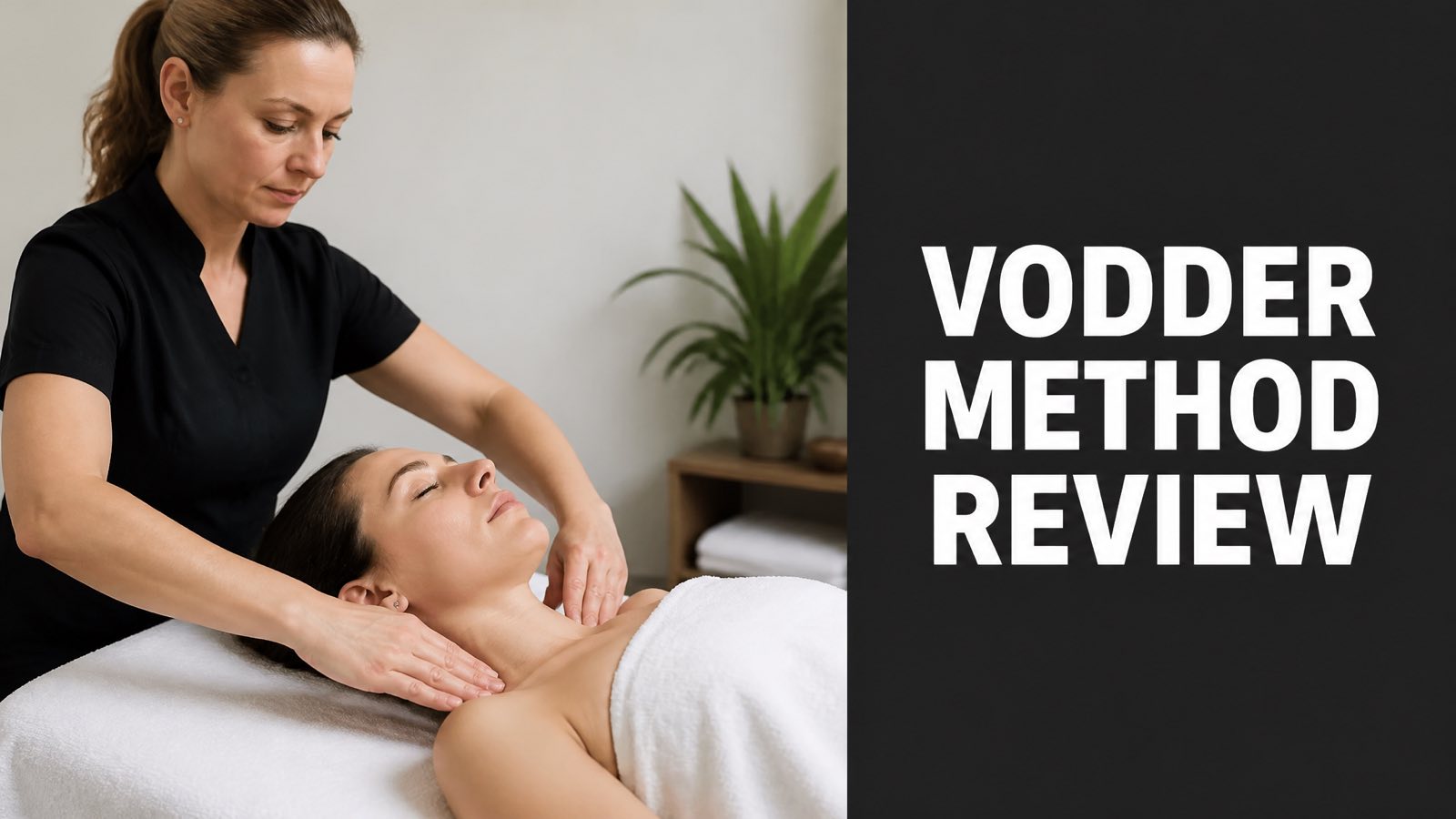
The Vodder Method is a manual lymphatic drainage technique developed in the 1930s by Dr. Emil Vodder and his wife Estrid, a Danish couple working as massage therapists in Cannes, France. It uses light, rhythmic hand movements to stimulate lymph flow, reduce swelling, and support the body’s natural detoxification process.
This review breaks down how the Vodder Method works, what its four core hand techniques actually do, and whether clinical research backs up the claims. It covers real client reviews, the side effects therapists rarely mention, and how the Vodder Method stacks up against the Casley-Smith technique and regular deep tissue massage.
Readers will also find session pricing, who should avoid this treatment entirely, and how to vet a certified Vodder therapist before booking a single appointment anywhere. By the end, there’s a straight answer waiting: is this nearly 90 year old technique actually worth the money in 2026?
What Is the Vodder Method?
The Vodder Method is a specific form of manual lymphatic drainage that uses light, rhythmic, circular hand movements to move lymph fluid through the body. Danish physiotherapist Dr. Emil Vodder developed the technique in Cannes, France, during the 1930s.
Here’s the thing: Dr. Vodder wasn’t a typical physical therapist. He held a PhD in art history and studied 19th century anatomical engravings of the lymphatic vessels before he ever formalized a single hand movement. That scholarly background shaped the precision behind the final technique.
So how is this different from a regular massage? Regular massage works the muscular system and leans on firm pressure. The Vodder Method skips all of that. It works the skin’s surface layer, following the body’s natural lymphatic pathways toward the lymph nodes instead.
Who Created the Vodder Method?
Dr. Emil Vodder developed the technique alongside his wife Estrid, a naturopath, after they noticed a pattern in their patients. Many clients with chronic sinusitis and skin concerns also had swollen cervical lymph nodes.
The Vodders published their findings in 1936. Their hypothesis was simple but bold for the era: congested lymph nodes signaled a sluggish lymphatic system rather than a symptom requiring surgical removal, which was the standard medical response at the time.
By 1972, the Dr. Vodder School opened in Walchsee, Austria. The Wittlingers, two of Vodder’s closest collaborators, trained therapists worldwide. And here’s the kicker: Manual Lymphatic Drainage is now the most prescribed and reimbursed physical therapy in Germany.
How Does the Vodder Method Work?
The Vodder Method works by applying gentle pressure that never exceeds 40 mmHg to stretch the skin and stimulate lymphangion contractions. Lymphangions are the tiny pumping segments of lymph vessels.
Sounds too gentle to matter? Professor Mislin’s research in the 1970s measured this effect directly, and the numbers are surprising. His studies found the Vodder technique could accelerate lymphangion contractions up to 20 times their normal resting rate.
Every session starts at the neck. Here’s why: Vodder therapists clear the terminus point where lymphatic vessels connect to the circulatory system first. This opens the pathway before the therapist moves to swollen or congested areas anywhere else in the body.
The therapy uses no oils or creams either. In fact, bare skin traction gives the therapist more precise control over pressure and direction, which matters most in delicate post-surgical tissue where friction can trigger irritation.
What Are the Four Core Hand Techniques?
The Vodder Method relies on four distinct hand movements: stationary circles, the pump technique, rotary movements, and the scoop technique. Each one targets a different stage of lymph movement.
Vodder Method Hand Techniques:
- Stationary circles: gentle, rhythmic pressure applied in place
- Pump technique: encourages natural fluid movement along the limb
- Rotary movements: follows the lymphatic pathways across broader areas
- Scoop technique: directs lymph toward the nearest collection point
Therapists sequence these movements based on the treatment area. Sessions typically run 45 to 60 minutes and cover the full body, with extra attention given to the neck and underarms where major lymph node clusters sit.
What Are the Benefits of the Vodder Method?
The Vodder Method delivers reduced swelling, improved circulation, and enhanced immune function through consistent lymph stimulation. These outcomes show up most clearly in post-surgical and lymphedema patients.
Main Benefits:
- Reduced post-surgical swelling and faster tissue recovery
- Effective long term lymphedema management
- Improved circulation and cellular waste removal
- Natural pain reduction through nervous system regulation
- Deep relaxation from the slow, rhythmic movement pattern
Clients recovering from liposuction report faster resolution of bruising and edema. Here’s what that actually means: a 2021 clinical trial on thigh liposuction patients found significant cellulite improvement after eight weeks of twice weekly Vodder sessions.
Does the Vodder Method Reduce Swelling?
Yes. The Vodder Method reduces swelling by moving excess interstitial fluid away from congested tissue toward active lymph nodes. This process targets edema right at its source.
Post-surgical patients see the clearest results. Bandaging combined with regular Vodder sessions over an 8 week period produces measurable reductions in limb circumference compared to bandaging alone, according to clinical trial data.
What Do Vodder Method Reviews Say?
Vodder Method reviews consistently describe the treatment as surprisingly gentle, deeply relaxing, and noticeably effective for swelling. Clients often expect firmer pressure and get caught off guard by how light the touch actually is.
One client review described visible edema reduction in a friend’s swollen legs after just one session, along with a drop in reported pain. Does one visit really do that much? Apparently, yes, at least for temporary swelling, according to that account.
Therapists trained in the method call it the gold standard of manual lymphatic drainage. Many highlight the certification process as the key differentiator. Think of it this way: generic ‘lymphatic massage’ at a spa isn’t the same as sessions from a Vodder-certified practitioner.
What Reviewers Mention Most:
- Surprisingly light, gentle pressure compared to expectations
- Visible swelling reduction after a single session
- Deep relaxation and stress relief during treatment
- Strong preference for Vodder-certified over generic spa therapists
What Are Common Complaints About the Vodder Method?
The most common complaint involves session frequency. Meaningful results for chronic conditions like lymphedema require multiple sessions per week over 6 to 12 weeks, which strains both budget and schedule for many clients.
Some clients expect dramatic results after one visit and feel underwhelmed. But that’s not how this works. The Vodder Method builds cumulative benefit, and one session rarely resolves long standing swelling on its own.
How Does the Vodder Method Compare to Casley-Smith?
The Vodder Method performs comparably to the Casley-Smith technique, with clinical trials showing no significant difference in outcomes between the two. Both fall under the manual lymphatic drainage umbrella.
Vodder Method vs Alternatives:
| Technique | Pressure Style | Best For |
|---|---|---|
| Vodder Method | Light, circular, rhythmic | Lymphedema, post-surgical swelling |
| Casley-Smith | Light, alternating pressure | Cellulite, general lymphedema |
| Deep Tissue Massage | Firm, sustained pressure | Muscle tension, not lymph flow |
A 2021 randomized trial compared the two techniques on thigh liposuction patients. So which one wins? Neither, really. Both groups improved significantly over eight weeks, and researchers found no meaningful difference in outcomes.
Is the Vodder Method Better Than Regular Massage?
For lymph specific goals, yes. Regular massage targets muscles and uses firmer pressure that can actually damage delicate lymphangion valves. The Vodder Method’s gentle approach protects those structures while still moving fluid effectively.
What Are the Side Effects of the Vodder Method?
The Vodder Method carries minimal side effects since it avoids deep pressure entirely, though mild fatigue and increased urination are common after sessions. These reactions reflect the body processing released fluid.
Reported Side Effects:
- Mild fatigue in the hours following a session
- Increased urination as excess fluid clears the system
- Temporary lightheadedness in sensitive individuals
- Skin sensitivity in areas with recent surgery or trauma
These effects typically resolve within a day. Here’s the good news: therapists recommend drinking water after sessions, and that’s usually enough to support the kidneys as they filter the extra fluid.
Who Should Avoid the Vodder Method?
The Vodder Method is contraindicated for people with untreated tumors, acute infections, deep vein thrombosis, phlebitis, or heart failure. Patients undergoing chemotherapy or radiotherapy also need specialized medical clearance before booking.
Is the Vodder Method Legitimate and Safe?
Yes. The Vodder Method is a legitimate, research backed technique recognized by major scientific societies in phlebology and lymphology. It’s held that recognition for nearly 90 years.
The Dr. Vodder School in Austria certifies therapists through a structured multi level program. And it’s not a quick add-on certificate either. It requires deep anatomical knowledge, which is exactly what separates trained Vodder therapists from general spa staff offering ‘lymphatic massage.’
Signs of a Legitimate Vodder Practice:
- Formal certification from the Dr. Vodder School or an accredited program
- Recognition by phlebology or lymphology professional societies
- Willingness to review medical history before treatment
- Clear referral process for diagnosed lymphedema cases
Is the Vodder Method Backed by Research?
Yes. Peer reviewed studies, including systematic reviews published in sports medicine and rehabilitation journals, document measurable outcomes for swelling reduction and lymphangion stimulation. The evidence base has grown steadily since Professor Mislin’s original research.
How Much Does a Vodder Method Session Cost?
A single Vodder Method session typically costs between $80 and $150 in the United States, depending on the therapist’s certification level and location. Package pricing often lowers the per session rate.
Typical Session Costs:
| Session Type | Average Price |
|---|---|
| Single 60 minute session | $80-$150 |
| 4 session package | $280-$520 |
| Weekly 8 week program | $640-$1,200 |
Clinical treatment for diagnosed lymphedema sometimes qualifies for insurance coverage when a physician prescribes it. Cosmetic or general wellness sessions almost never qualify. Those come entirely out of pocket.
Is the Vodder Method Worth the Price?
For post-surgical recovery or diagnosed lymphedema, yes. The clinical evidence supports real outcomes. For general relaxation alone, the price sits well above standard massage, so the value depends heavily on the specific goal.
Where Can You Find a Certified Vodder Therapist?
Certified Vodder therapists are listed through the Dr. Vodder School’s official directory and through regional lymphedema associations. Searching ‘Vodder certified’ plus a city name also surfaces licensed massage therapists with formal training.
Why does verifying certification matter so much here? Because the method depends entirely on precise hand pressure and pathway knowledge. An undertrained practitioner can miss the therapeutic effect or, in rare cases, apply pressure that stresses fragile lymph vessels.
What Should You Ask Before Booking?
Questions to Ask a Vodder Therapist:
- Confirm certification level with the Dr. Vodder School or an accredited program
- Ask about experience treating your specific condition
- Request client references or verified testimonials
- Clarify session length and the total number of sessions recommended
Should You Try Eat Proteins for Lymphatic Support?
The Vodder Method handles the hands on side of lymphatic health. Eat Proteins builds the nutritional foundation that keeps that lymphatic system running between sessions. The two approaches work together, not against each other.
Our team at Eat Proteins focuses on protein intake, hydration strategy, and micronutrient support that directly affect fluid balance and tissue repair. A body under-fueled on protein struggles to rebuild tissue after manual drainage sessions, no matter how skilled the therapist is.
Bottom line: manual therapy alone only gets you halfway there. Ready to support your results between appointments? Explore the Eat Proteins approach today and give your lymphatic system the nutritional backup it needs to keep the momentum going.