
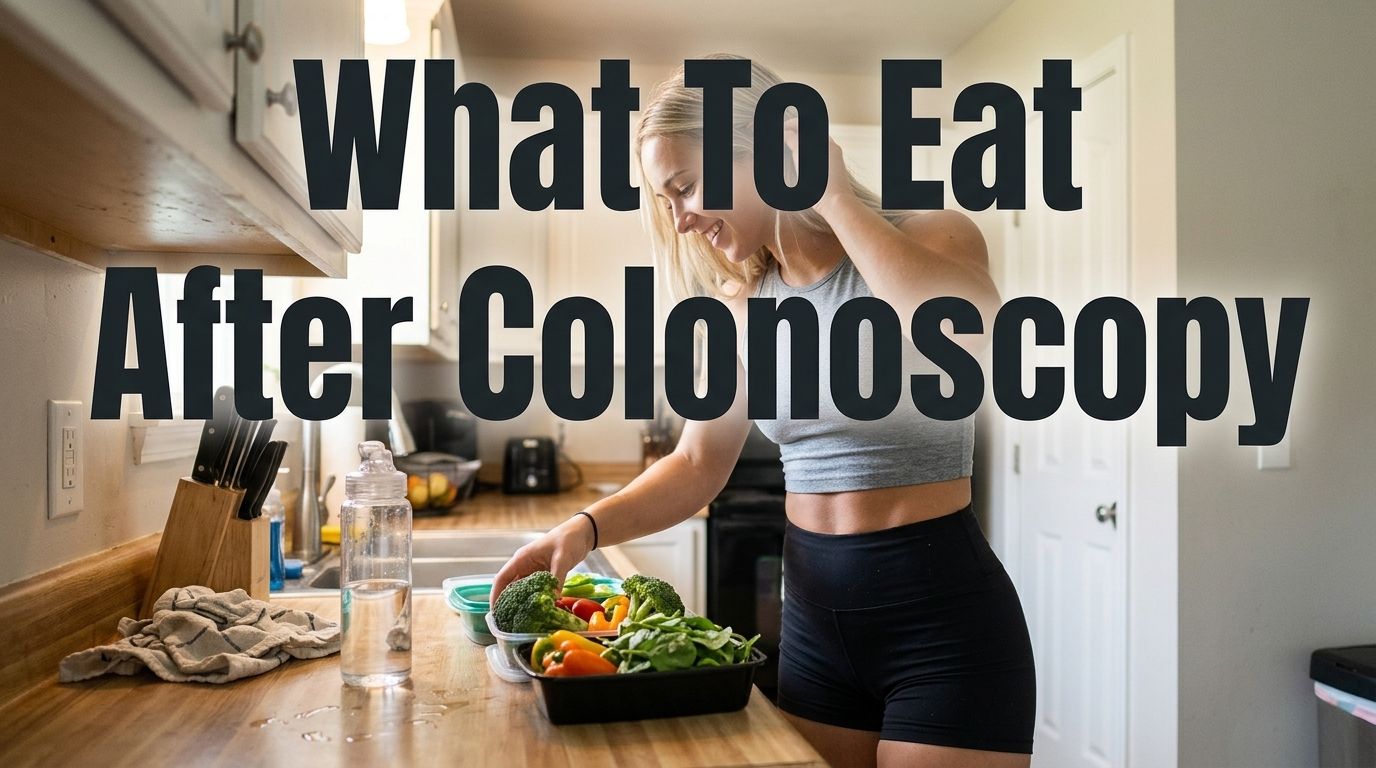
The right diet after a colonoscopy helps the digestive system recover from both the procedure and the bowel prep that precedes it. The colon is clean, the gut microbiome is temporarily disrupted, and the digestive tract needs gentle, easy-to-process foods before returning to normal eating patterns.
Clear liquids come first. Easily digestible soft foods follow within a few hours. Most people return to their normal diet within 24 hours. If polyps were removed or biopsies taken, the doctor may recommend a softer diet for one to two additional days. Hydration, probiotics, and low-fiber foods in the first 24 hours support a smooth recovery.
This guide covers the best foods and drinks to consume right after a colonoscopy, what to avoid in the immediate recovery window, how to step back into normal eating, and which long-term dietary habits support colon health after the procedure.
What Is the Best Diet After a Colonoscopy?
The best diet after a colonoscopy is a stepwise progression that begins with clear liquids immediately after the procedure, advances to easily digestible low-fiber soft foods within a few hours, and returns to a normal balanced diet within 24-48 hours, with the pace determined by how the digestive system feels rather than a fixed schedule. The goal is to reintroduce food gently without stressing a colon that has just been thoroughly cleaned and examined.
The bowel prep taken before a colonoscopy clears the entire colon. That process also disrupts the gut microbiome by flushing out beneficial bacteria along with waste. The post-colonoscopy diet supports microbiome recovery alongside digestive comfort by favoring easy-to-digest foods and probiotic sources in the first 24-48 hours.
Most people are hungry immediately after their colonoscopy, since the prep and fasting period can span 24-36 hours before the procedure. Starting with liquids and light foods rather than a heavy meal prevents the bloating, cramping, and nausea that can follow when a recently cleaned colon receives a large food load all at once.
Why Does Diet Matter After a Colonoscopy?
Diet matters after a colonoscopy because the bowel prep wipes out beneficial gut bacteria alongside waste, the colon wall is temporarily sensitized from air inflation during the procedure, and the digestive system needs easily processed foods to resume normal function without causing the cramping, bloating, or discomfort that heavier foods trigger in the first few hours post-procedure. What you eat in the first 24 hours directly shapes recovery comfort and speed.
If polyps were removed during the colonoscopy, diet matters for an additional reason. Polypectomy sites are small wounds in the colon wall. High-fiber, rough, or hard-to-digest foods pass through the colon as solid material that contacts these healing sites. Low-fiber, soft foods minimize that mechanical contact during the first 24-48 hours of tissue healing.
Hydration is equally critical post-procedure. The bowel prep causes significant fluid and electrolyte loss. The sedation used during the colonoscopy adds mild dehydration risk. Replacing fluids and electrolytes through water, broth, and sports drinks in the hours immediately following the procedure restores normal body function faster than food alone.
How Long After a Colonoscopy Can You Eat Normally?
Most people can return to their normal diet within 24 hours after a colonoscopy, provided no complications occurred and no polyps were removed, with the transition happening gradually over that day rather than with a single large meal immediately after the procedure. The doctor will provide specific instructions based on what was found and done during the examination.
If polyps were removed or tissue biopsies were taken, the recommended soft diet window extends to 24-48 hours post-procedure. In rare cases involving multiple large polyps, a low-fiber diet may be recommended for 3-5 days. Following the physician’s specific post-procedure instructions overrides any general guideline when the two differ.
The fastest way to return to normal eating is to start with liquids immediately after the procedure, add soft low-fiber foods within two to four hours, and test normal foods in small amounts by the end of day one. Each step should be guided by how the stomach feels rather than the clock. Significant cramping or nausea after eating signals that the digestive system needs more time on lighter foods.
What Can You Eat Right After a Colonoscopy?
Right after a colonoscopy, the safest foods are clear, non-carbonated liquids consumed in small amounts, followed within a few hours by soft, low-fiber, easily digestible foods like crackers, white toast, scrambled eggs, applesauce, bananas, white rice, and broth-based soups that pass through the colon without mechanical friction or digestive difficulty. Starting small and building up prevents the nausea and cramping that a heavy first meal after sedation often causes.
The sedation used during a colonoscopy slows digestion temporarily. Eating a large meal immediately after sedation wears off risks nausea because the stomach and intestines are not yet fully awake. Small portions of gentle foods eaten slowly in the first one to two hours are more effective than waiting a long time and then eating a large meal all at once.
What Liquids Are Safe to Drink First After a Colonoscopy?
Liquids safe to drink first after a colonoscopy include water, clear broth, sports drinks, apple juice, white grape juice, popsicles, gelatin, and herbal tea, all consumed at room temperature or cool in small sips rather than large volumes, which can overwhelm a digestive system still recovering from sedation and the effects of the bowel prep. Electrolyte drinks are particularly valuable for replacing the sodium and potassium lost during the pre-procedure prep.
Carbonated beverages should be avoided in the first few hours. Gas is already a common side effect of colonoscopy due to the air inflated into the colon during the examination. Adding carbonated drinks increases gas volume and bloating. Flat water, broth, and non-carbonated juice are gentler choices for the immediate post-procedure window.
Safe drinks right after a colonoscopy:
- Water (small, consistent sips throughout the day)
- Sports drinks like Gatorade (electrolyte replacement)
- Clear broth, chicken or vegetable (sodium, hydration)
- Apple juice or white grape juice (non-citrus, non-carbonated)
- Herbal tea at room temperature (chamomile, ginger)
- Gelatin or Jell-O (non-red varieties)
- Popsicles (non-red, non-citrus)
When Can You Start Eating Solid Foods After a Colonoscopy?
Solid foods can be started after a colonoscopy once liquids are tolerated without nausea, typically 1-2 hours after the procedure, beginning with low-fiber, easily digestible options like crackers, white toast, soft scrambled eggs, bananas, or applesauce rather than high-fiber, spicy, or fatty foods that are harder for the recovering digestive system to process. The transition is guided by comfort, not a fixed waiting time.
The best first solid foods are those that require minimal digestive effort. White crackers, plain white toast, ripe bananas, and well-cooked white rice all digest quickly with minimal residue in the colon. These low-residue foods are the standard recommendation for the first meal after a colonoscopy because they minimize the mechanical load on the colon during the initial recovery hours.
What Are the Best Foods to Eat After a Colonoscopy?
The best foods to eat after a colonoscopy are low-fiber, easily digestible, gentle-on-the-colon options including soft eggs, white rice, bananas, applesauce, white bread, plain crackers, broth-based soups, soft pasta, yogurt with live cultures, and cooked vegetables without skins, which all pass through the digestive tract with minimal residue and support microbiome recovery. These foods address both the comfort needs of the immediate recovery window and the gut restoration needs following bowel prep.
Here is the good news: most of these foods are simple, inexpensive, and easy to prepare. A recovering post-colonoscopy meal does not require special products or elaborate cooking. Scrambled eggs, white toast, and broth meet all the criteria and provide protein, carbohydrates, and sodium in a format the digestive system handles without difficulty hours after the procedure.
Which Soft Foods Support Recovery After a Colonoscopy?
Soft foods that support recovery after a colonoscopy are those low in fiber, free of seeds and skins, and easy to break down in the stomach and small intestine before reaching the colon, including well-cooked white rice, plain pasta, soft bread, mashed potatoes, cooked carrots, ripe bananas, smooth peanut butter, and poached or scrambled eggs. Each of these foods produces minimal colonic residue and passes through with limited mechanical contact with the colon wall.
Bananas are one of the most practical post-colonoscopy foods. They are soft, naturally low in fiber (compared to most fruits), easy to eat without preparation, provide potassium (an electrolyte depleted by bowel prep), and settle easily in the stomach after sedation. A banana with plain crackers is an effective first solid meal option for most people leaving the colonoscopy clinic.
Mashed potatoes provide a starchy, calorie-dense soft food that satisfies post-prep hunger without taxing digestion. Prepared without the skin and without high-fat additions like sour cream or heavy cream, mashed potatoes with a small amount of butter provide carbohydrates, potassium, and calories in a format the gut handles easily during the first post-procedure meal.
Best soft foods after a colonoscopy:
- Scrambled or poached eggs (protein, easy to digest)
- White rice or plain pasta (low residue, starchy, filling)
- Bananas (potassium, soft texture, easy to tolerate)
- Applesauce (low fiber, gentle on the gut, easy to eat)
- Plain white bread or crackers (low-residue carbohydrates)
- Mashed potatoes without skin (calorie-dense, soft, comforting)
- Broth-based soups with soft noodles (hydration plus nutrition)
- Yogurt with live cultures (protein plus probiotics for gut restoration)
What Foods Help Restore the Gut After a Colonoscopy?
Foods that restore the gut after a colonoscopy are those that replenish the beneficial bacteria disrupted by the bowel prep laxatives, including yogurt and kefir with live active cultures, fermented foods like soft miso and plain sauerkraut, and prebiotic-rich easily digestible foods like bananas and cooked oats that feed the beneficial bacteria as they reestablish. The gut microbiome begins recovering within 24-48 hours of the colonoscopy, and dietary support accelerates that process.
Yogurt with live and active cultures is the most practical probiotic food for post-colonoscopy gut restoration. It is soft, easy to swallow, provides protein and calcium alongside the bacteria, and requires no preparation. Choosing plain yogurt over flavored varieties avoids added sugars that can feed less beneficial gut bacteria during the restoration window.
Prebiotic foods feed the beneficial bacteria that are trying to reestablish in the cleaned colon. Ripe bananas contain fructooligosaccharides, a prebiotic fiber that beneficial gut bacteria use as fuel. Cooked oats provide beta-glucan, another prebiotic fiber. Both are easily digestible enough for the immediate post-colonoscopy period while simultaneously supporting microbiome recovery.
What Foods Should You Avoid After a Colonoscopy?
Foods to avoid after a colonoscopy are those high in fiber, fat, or spice that are difficult to digest, increase colonic residue, irritate a sensitized colon wall, or worsen the bloating and gas already caused by residual air from the procedure, including raw vegetables, whole grains, nuts, seeds, fried foods, spicy dishes, and alcohol. Avoidance lasts 24-48 hours for most people, longer if polyps were removed.
Fried and fatty foods slow gastric emptying. A digestive system already moving sluggishly from sedation does not benefit from the additional delay that high-fat foods cause. Greasy food as a first post-colonoscopy meal is a common reason people experience nausea and abdominal discomfort in the hours after the procedure. Light, low-fat foods in the first 24 hours support a more comfortable recovery.
Foods to avoid after a colonoscopy:
- Raw vegetables and salads (high fiber, rough texture, gas-producing)
- Whole grains, bran, and high-fiber cereals (too much residue)
- Nuts and seeds (rough texture, difficult to digest)
- Fried and fatty foods (slow digestion, risk of nausea)
- Spicy foods (irritate a sensitized colon wall)
- Alcohol (dehydrating, interacts with residual sedation)
- Carbonated beverages (worsen existing gas and bloating)
- Legumes like beans and lentils (high-fiber, gas-producing)
Are High-Fiber Foods Safe Immediately After a Colonoscopy?
No. High-fiber foods are not safe immediately after a colonoscopy because fiber increases colonic residue, adds bulk that passes through the colon with more mechanical friction, and can cause cramping and bloating in a digestive system that is still recovering from the bowel prep, the air inflation of the colonoscopy, and the effects of sedation. High-fiber foods are reintroduced gradually once the colon has had 24-48 hours to settle.
The irony is that high-fiber foods are excellent for long-term colon health and are a key part of colon cancer prevention recommendations. The post-colonoscopy window is the one exception where temporarily reducing fiber is the correct approach. Once recovery is complete, returning to a high-fiber diet rich in vegetables, legumes, and whole grains actively supports the colon health that makes future colonoscopies more likely to find nothing concerning.
Should You Avoid Alcohol After a Colonoscopy?
Yes. Alcohol should be avoided for at least 24 hours after a colonoscopy because it interacts with the residual effects of sedation, increases dehydration risk on top of the fluid loss from bowel prep, and can irritate the colon wall in ways that worsen the bloating and discomfort already common in the hours following the procedure. The sedation used during colonoscopy impairs judgment and reflexes for several hours. Alcohol prolongs this impairment dangerously.
Most colonoscopy centers include the 24-hour alcohol prohibition in their standard discharge instructions alongside the no-driving restriction. Both restrictions exist because sedation’s effects persist long after the procedure ends. Beyond the safety issue, alcohol is also dehydrating at exactly the point when hydration is the top post-colonoscopy nutritional priority. Plain water, broth, and sports drinks serve far better in the first 24 hours.
How Should You Return to a Normal Diet After a Colonoscopy?
Returning to a normal diet after a colonoscopy follows a stepwise approach: clear liquids immediately post-procedure, soft low-fiber foods within 1-2 hours, regular foods in moderate portions by the end of day one or two, with the only firm restriction being that high-fiber, spicy, fatty, and alcoholic foods wait until 24-48 hours after the procedure. The transition feels slow but takes less than two full days for most people.
The pace of the transition is individual. Some people eat a full normal meal by the evening after their morning colonoscopy. Others prefer to stay on soft foods for the full first day and return to normal eating the following morning. Both approaches are correct. What matters is that the colon gets a gradual reintroduction rather than an abrupt return to a high-fiber, heavy-food diet immediately after the procedure.
What Is the Step-by-Step Approach to Eating After a Colonoscopy?
The step-by-step approach to eating after a colonoscopy begins with clear liquids, progresses to soft low-fiber foods, and then advances to normal balanced eating, with each step timed by comfort rather than a fixed schedule, and the entire progression typically completed within 24-48 hours for a routine colonoscopy with no polyp removal. The steps are simple and require no special foods beyond standard pantry staples.
Step-by-step return to normal eating:
- Immediately after procedure: Sip clear liquids slowly (water, broth, apple juice, sports drink)
- 1-2 hours post-procedure: Add soft low-fiber foods (crackers, banana, applesauce, scrambled eggs)
- 4-6 hours post-procedure: Eat a light meal (white rice with soft protein, broth-based soup)
- End of day one: Normal foods in moderate portions if tolerating well and no cramping
- Day two onward: Return fully to regular diet, beginning to reintroduce fiber gradually
- Day three: Resume high-fiber foods, raw vegetables, and whole grains fully
Each step should feel comfortable before advancing to the next. Bloating, cramping, or nausea at any step signals staying at the current stage for another hour or two. These symptoms are normal and expected — they reflect the colon working through residual air and beginning normal function. They resolve on their own without skipping the stepwise approach.
What Are the Best Practices for Long-Term Colon Health?
The best practices for long-term colon health involve eating a high-fiber diet rich in vegetables, fruits, and whole grains, maintaining adequate hydration, limiting red and processed meat consumption, avoiding excessive alcohol, staying physically active, and maintaining a healthy body weight, all of which are associated with reduced risk of colorectal cancer and improved colonoscopy outcomes over time. A colonoscopy is a checkpoint. The diet between checkpoints determines what the next one finds.
The post-colonoscopy period is an opportunity to reset dietary habits. Many people find that the bowel-prep experience and the procedural results provide powerful motivation to eat more plant foods, less processed food, and more fiber. Our nutritionists at Eat Proteins recommend using the post-colonoscopy window to introduce one lasting dietary habit rather than attempting an entire dietary overhaul at once.
Which Foods Support a Healthy Colon Over Time?
Foods that support a healthy colon over time include high-fiber vegetables and fruits, whole grains like oats and brown rice, legumes such as beans and lentils, fermented foods that maintain gut microbiome diversity, fatty fish rich in omega-3s that reduce colon inflammation, and water as the primary beverage throughout the day. These foods are consistently associated with lower colorectal cancer risk and healthier colonoscopy findings in long-term dietary research.
Fiber deserves specific emphasis. Research consistently links dietary fiber intake to reduced colorectal cancer risk. Adults should aim for 25-38 grams of fiber per day. Most people consume 10-15 grams. Vegetables, legumes, whole grains, and fruits each contribute significantly to daily fiber totals. Building meals around these foods rather than treating them as sides or afterthoughts makes hitting the target practical rather than effortful.
Best foods for long-term colon health:
| Food | Colon Benefit | Daily Target |
|---|---|---|
| Vegetables (leafy greens, broccoli, carrots) | Fiber, antioxidants, anti-inflammatory | 3-5 servings |
| Legumes (beans, lentils, chickpeas) | High fiber, prebiotic, protein | 1 cup cooked |
| Whole grains (oats, brown rice, quinoa) | Fiber, B vitamins, fermentable starch | 3 servings |
| Fatty fish (salmon, sardines, mackerel) | Omega-3 anti-inflammatory | 2-3x per week |
| Fermented foods (yogurt, kefir, miso) | Probiotics, microbiome diversity | 1 serving daily |
| Water | Keeps stool soft, prevents constipation | 8 cups (1.9 liters) |
Want Your Free Colon Health Diet Guide from Eat Proteins?
You have just had a colonoscopy. Now is the moment to build the dietary habits that make the next one a better result. Our nutritionists at Eat Proteins built a free colon health diet guide covering the optimal post-colonoscopy recovery diet, a 7-day gut restoration meal plan, daily fiber targets, probiotic food sources, and the long-term eating patterns most strongly linked to colon health and reduced colorectal cancer risk. Start building the diet your colon deserves.
People who receive structured nutritional guidance after a colonoscopy are more likely to maintain the dietary changes that improve their next set of results. The guide provides the framework. The habit-building starts on day one of recovery. Get your free guide and begin.
What Does the Free Guide Include?
The free colon health guide from Eat Proteins includes a day-by-day post-colonoscopy food progression chart, a 7-day gut microbiome restoration meal plan, daily fiber and hydration targets, probiotic food sources and timing recommendations, foods to avoid in the first 48 hours, and a long-term colon health grocery list organized by food category. Everything is designed for immediate use from the day of the procedure onward.
The guide adapts to individual dietary preferences including plant-based, dairy-free, and gluten-free eating patterns. The colon health principles apply universally regardless of food preference. Sign up, follow the recovery progression, and use the 7-day plan to begin the long-term dietary habits that support colon health between now and the next colonoscopy.