
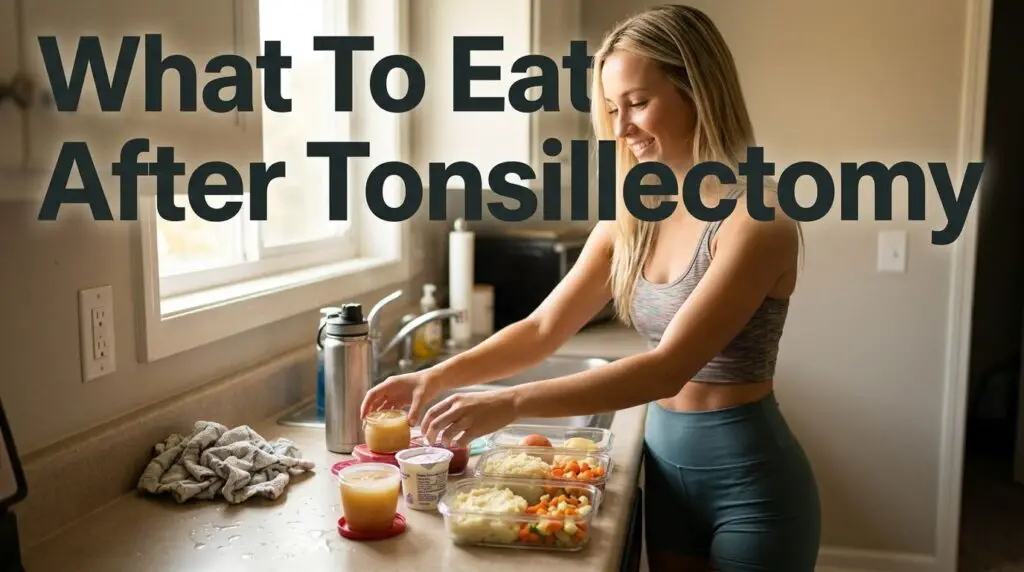
Eating after a tonsillectomy requires care. The throat heals by forming protective scabs over the surgical site, and the wrong food can disturb that process. A soft, smooth, cool diet in the days following surgery reduces pain, supports healing, and lowers the risk of post-operative bleeding.
Clear liquids come first on surgery day. Soft foods like applesauce, mashed potatoes, yogurt, and oatmeal are introduced in the days that follow. Dairy foods provide protein and calcium during recovery. Cold and room-temperature foods soothe the throat. Foods with hard edges, seeds, or citrus are avoided for the first 10-14 days to protect the healing tissue.
This guide covers what to eat and drink after a tonsillectomy, what to avoid, how the diet changes day by day, and practical tips for staying comfortable throughout the recovery window. Whether recovering from a standard tonsillectomy or a combined tonsillectomy and adenoidectomy, the same dietary principles apply.
What Is the Best Diet After a Tonsillectomy?
The best diet after a tonsillectomy is a soft, smooth, cool-to-room-temperature eating plan that begins with clear liquids on surgery day and progresses gradually through mashed, blended, and soft-cooked foods over 10-14 days as the throat heals and surgical scabs form and eventually dissolve. The goal is comfort, hydration, and adequate nutrition without disturbing the delicate healing tissue at the surgical site.
Following the correct diet is not optional during tonsillectomy recovery. The throat forms protective scabs over the surgical wound. Disrupting those scabs through rough or irritating food can cause post-operative bleeding, which is the most serious complication of tonsil removal surgery. The soft diet is a direct medical protection measure, not a preference.
Adequate nutrition also supports the immune response needed to heal the wound. Protein from dairy foods, yogurt, and soft eggs provides the amino acids that tissue repair requires. Staying hydrated is equally critical. Dehydration is the most common reason people return to the hospital after a tonsillectomy.
Why Does Food Choice Matter After Tonsillectomy?
Food choice matters after a tonsillectomy because hard, crunchy, sharp, or acidic foods can scratch the surgical site, dislodge the protective scabs that form during healing, and trigger post-operative bleeding, which is the most serious complication of tonsil removal and may require emergency medical intervention. Selecting foods by texture and temperature is the central principle of recovery nutrition.
Pain and swelling peak around days 3-5 of recovery. Eating becomes uncomfortable, and the temptation to eat less increases. But adequate food intake keeps blood sugar stable, supports immune function, and maintains the energy the body needs to repair tissue. A well-stocked recovery pantry makes consistent eating through the discomfort far easier.
Temperature matters alongside texture. Cold and cool foods numb the throat temporarily and provide pain relief without medication. Ice cream, frozen popsicles, and cold applesauce serve a dual purpose: they provide calories and nutrition while also reducing the pain and swelling that make eating difficult in the early recovery days.
How Long Should You Follow a Soft Diet After Tonsillectomy?
A soft diet after tonsillectomy should continue for at least 10-14 days, with most medical guidelines recommending 18 days before reintroducing hard or crunchy foods, because throat scabs take 7-14 days to form and dissolve, and disrupting them is the leading cause of post-operative bleeding complications. Skipping the full timeline is the most common reason people experience serious complications after surgery.
Individual recovery varies. Some people heal faster and return comfortably to normal textures by day 10. Others need the full 18 days. The best signal is pain-free swallowing. If a particular food causes pain or requires significant effort to swallow, the throat is not ready for that texture yet.
Adults generally take longer to recover from tonsillectomies than children. An adult who feels recovered by day 7 or 8 should still maintain a soft diet through day 14 as a precaution. Post-operative bleeding most commonly occurs during the scab-shedding phase between days 5 and 10, often without warning.
What Can You Eat on Day 1 After a Tonsillectomy?
On day 1 after a tonsillectomy, the diet consists entirely of clear, cool liquids, including apple juice, white grape juice, sports drinks, water, Jell-O, popsicles, and clear broth, with all red-colored liquids avoided because they can mask post-surgical bleeding that requires prompt medical attention. No straws. No hot liquids. No citrus juice. These three restrictions apply from day one through the full recovery period.
The red liquid restriction is non-negotiable. Red-colored drinks, juices, and popsicles make it impossible to identify blood in the mouth or throat. Identifying post-operative bleeding early is critical for prompt treatment. White, yellow, orange, and clear liquids are all acceptable substitutes throughout the recovery period.
Straws create suction. That suction generates negative pressure in the throat that can disturb the surgical site and dislodge healing scabs. All drinking after tonsillectomy should be done from a wide-rimmed cup or glass with gentle, controlled sips rather than any suction-based method.
What Clear Liquids Are Safe Right After Surgery?
Clear liquids safe right after a tonsillectomy include apple juice, white grape juice, sports drinks, clear broth, water, Jell-O, fruit ices, and non-red popsicles, all consumed at cool or room temperature and sipped from a cup rather than a straw. These liquids hydrate, provide electrolytes and minimal calories, and cause no contact trauma to the surgical site during the first critical hours of healing.
Sports drinks like Gatorade provide electrolytes alongside hydration. Swallowing is painful after surgery, making adequate fluid intake difficult. Electrolyte-rich clear liquids maximize the nutritional benefit of every sip during the first 24 hours when swallowing is at its most restricted and painful.
Clear broth provides sodium and a small amount of protein in liquid form. Low-sodium broth is preferable in the first 24 hours because excess sodium increases swelling. All broths and liquids must be cool or room temperature. Hot liquids cause vasodilation at the surgical site and increase the risk of early post-operative bleeding.
Safe clear liquids after tonsillectomy:
- Apple juice or white grape juice (no citrus)
- Sports drinks like Gatorade (electrolytes)
- Water (essential for hydration)
- Clear broth (low-sodium, cool temperature)
- Jell-O or gelatin (any color except red)
- Fruit ices and popsicles (non-red only)
- Flat soda or ginger ale (stir to remove carbonation first)
When Can You Add Soft Foods After Tonsillectomy?
Soft foods can be added after tonsillectomy when the patient begins requesting food, typically day 2 or 3, starting with smooth options like applesauce, mashed potatoes, pudding, yogurt, ice cream, and oatmeal thinned with milk. The transition follows comfort level, not a fixed clock. Significant pain on swallowing any soft food signals the throat needs another day on clear liquids.
The progression is gradual. Days 2-3 focus on smooth, single-texture foods with no lumps, seeds, or fibrous pieces. By days 4-5, soft pasta, well-cooked vegetables, and scrambled eggs can be introduced if swallowing is manageable. Each new texture should be tested in small amounts before making it the main meal of the day.
What Are the Best Soft Foods to Eat After a Tonsillectomy?
The best soft foods after a tonsillectomy are smooth, easy-to-swallow options that require minimal chewing, provide adequate protein, calories, and hydration, and contain no hard edges, seeds, nuts, or acidic ingredients that could irritate or scratch the healing surgical site. Variety within these constraints prevents the appetite fatigue that makes recovery nutrition harder to sustain across the full 10-14 day healing window.
Think of it this way: the ideal tonsillectomy food slides down without pressure, does not require teeth to break apart, and does not trigger pain on contact with the throat. Mashed potatoes, applesauce, yogurt, ice cream, and smooth soups all meet this standard. Adding variety within the same texture category keeps nutrition consistent and meals more appealing during a long recovery.
Best soft foods for tonsillectomy recovery:
- Applesauce (smooth, cool, gentle on the throat)
- Mashed potatoes (high calories, soft texture, comforting)
- Yogurt and smooth Greek yogurt (protein, calcium, probiotics)
- Ice cream and frozen yogurt (cold soothes pain and swelling)
- Pudding and custard (soft, calorie-dense, easy to swallow)
- Oatmeal thinned with milk (complex carbs, B vitamins)
- Scrambled eggs (protein, soft texture, easy to modify)
- Soft pasta like macaroni and cheese (calories, carbs)
- Canned fruit in juice (bananas, peaches, pears, melon)
- Smoothies without seeds, sipped from a spoon or wide cup
Which Dairy Foods Are Good After Tonsillectomy?
Dairy foods are among the best choices after a tonsillectomy because they are high in protein, calcium, and energy, require no chewing, and in cold form provide direct pain relief to the surgical site, making ice cream, yogurt, cottage cheese, pudding, and milkshakes ideal recovery foods throughout the soft diet phase. Dairy delivers meaningful nutrition in a texture the healing throat handles easily.
Greek yogurt is particularly effective during tonsillectomy recovery. It provides 15-17 grams of protein per 170-gram (6-ounce) serving, plus probiotics that support gut health during a recovery period when antibiotic use is common. Plain or lightly sweetened varieties are preferable. Flavors with chunks, granola, or fruit pieces should be avoided until swallowing is pain-free.
A note on dairy and mucus: the idea that dairy increases mucus production is a widespread myth. Research does not support this claim. Dairy does not worsen throat congestion or post-operative swelling. Our coaches at Eat Proteins confirm: ice cream, yogurt, and milk remain recommended recovery foods by medical professionals across standard tonsillectomy protocols.
What Soups and Grains Can You Eat After Tonsillectomy?
Soups and grains safe to eat after a tonsillectomy include smooth blended soups without chunks, well-cooked soft pasta like macaroni and cheese or spaghetti with soft sauce, oatmeal thinned with milk, cream of wheat, and rice congee, all served at cool or room temperature to avoid heat-related irritation to the surgical site. Temperature control is as important as texture when choosing soups and grains during recovery.
Broth-based soups with soft-cooked noodles or pureed vegetables provide hydration alongside nutrition. Cream soups blended smooth, like pureed tomato or butternut squash soup, are excellent options in the first week. All soups must be served cool or lukewarm. Hot soup can cause bleeding at the surgical site by dilating blood vessels near the healing tissue.
Casseroles and soft pasta dishes like macaroni and cheese or soft spaghetti work well from around day 3 onward. The pasta should be cooked until very soft rather than al dente. Sauce should be smooth and free of chunky vegetable pieces, seeds, or herbs with sharp leaf edges that could contact the healing site directly.
What Foods Should You Avoid After a Tonsillectomy?
Foods to avoid after a tonsillectomy are those with hard, sharp, or crunchy textures, acidic or spicy profiles, seeds, nuts, or small particles that can scratch the surgical site, lodge in the healing wound, or dislodge scabs and trigger the post-operative bleeding that is the primary serious risk of tonsil removal surgery. The avoidance list is as important as the inclusion list for a complication-free recovery.
Hot foods cause vasodilation in the blood vessels near the surgical site. Vasodilation increases blood flow and bleeding risk. This applies not just to temperature but to spicy foods, which trigger a similar vasodilatory response. Both hot-temperature foods and spicy-seasoned foods should be avoided for the full 10-14 day recovery period.
Foods to avoid after tonsillectomy:
- Hard, crunchy foods: chips, crackers, toast, popcorn, raw vegetables
- Citrus fruits and juices: oranges, lemon, lime, grapefruit, pineapple
- Spicy foods: hot sauce, chili, curry, heavy seasoning
- Hot foods and drinks: hot soup, hot coffee, hot tea
- Red-colored liquids: red juices, red popsicles (mask bleeding)
- Foods with seeds or nuts: bread with seeds, granola, peanut butter with chunks
- Anything requiring vigorous chewing: steak, pizza crust, hamburgers, raw fruit
Are Citrus Fruits Safe After Tonsillectomy?
No. Citrus fruits are not safe after a tonsillectomy because their high acidity irritates the raw surgical wound, causes significant pain on contact with the healing tissue, and can promote inflammation that slows recovery in the first 10-14 days when the throat remains most vulnerable to chemical irritation. Orange juice, lemon, lime, grapefruit, pineapple, and tomato juice all fall into this avoided category.
The pain from citrus contact with a healing tonsillectomy site is immediate and significant. Beyond discomfort, the acid disrupts the mucosal lining of the throat that provides a secondary barrier during healing. Safe fruit alternatives include apple juice, non-citrus fruit ices, canned peaches in juice, bananas, and melons, which are all low-acid options that do not irritate the surgical site.
Can You Use a Straw After Tonsillectomy?
No. Straws should not be used after a tonsillectomy because the suction they generate creates negative pressure in the throat that can disturb the surgical site, dislodge the protective scabs covering the wound, and cause post-operative bleeding that may require emergency medical treatment. This restriction applies from surgery day through at least day 10 of recovery.
The same logic applies to any suction-based eating or drinking. Slurping from a bowl, using a sippy cup with a tight seal, or drinking from a bottle with a narrow opening all generate similar suction dynamics. Wide-rimmed cups and regular glasses with gentle sips are the only safe drinking method during tonsillectomy recovery. Spoons are preferable to straws for smoothies and blended drinks.
How Does Diet Change Day by Day After Tonsillectomy?
The tonsillectomy diet progresses from clear liquids on day 0 through soft foods by days 2-3, and then toward soft-cooked meals like scrambled eggs and pasta by days 5-7, with the recovery window divided into four phases that track the scab formation and dissolution process in the healing throat. Each phase reflects the biological state of the wound rather than an arbitrary food schedule.
The toughest days are typically days 3-5, when scabs are fully formed and the throat is most sensitive. This is not the time to advance the diet. Pain often increases around day 4 before improving by day 6 or 7. Staying with smooth, cool foods through the toughest days is the most important dietary decision in the entire recovery period.
Tonsillectomy diet by day:
| Days | Phase | What to Eat |
|---|---|---|
| Day 0 | Surgery day | Clear liquids only, no red, no straws, no hot |
| Days 1-2 | Early healing | Clear liquids + start soft foods (applesauce, yogurt, ice cream) |
| Days 3-4 | Toughest days | Continue soft foods, avoid advancing — scabs forming |
| Days 5-7 | Improving | Soft-cooked eggs, soft pasta, smooth soups, mashed vegetables |
| Days 8-10 | Late healing | Softer normal foods if pain-free; avoid hard/crunchy still |
| Days 10-18 | Recovery complete | Gradual return to normal diet as comfort allows |
What Should You Eat on Days 3 to 7 After Surgery?
On days 3-7 after a tonsillectomy, the diet centers on soft, smooth, cool-to-lukewarm foods including scrambled eggs, soft pasta, well-cooked oatmeal, mashed sweet potatoes, blended soups, soft canned fruits, and dairy foods like cottage cheese and yogurt, with no advancement to textured or crunchy foods even if pain feels manageable. Days 3-5 are the peak risk window for post-operative bleeding from scab disruption.
Scrambled eggs are one of the best protein sources during this phase. A single egg scrambled soft provides 6-7 grams of protein with a texture that is gentle on the healing throat. Cooking eggs until barely set (not dry or rubbery) keeps them soft enough for comfortable swallowing. Adding a small amount of cream cheese or butter increases caloric density without changing texture.
By day 6 or 7, if pain is improving, soft pasta dishes like macaroni and cheese, well-cooked spaghetti with smooth sauce, and soft casseroles can feature more prominently. The key test is whether swallowing feels effortful. Effortless swallowing of a food indicates readiness for that texture. Any resistance, pain, or scratching sensation signals waiting another day.
When Can You Return to a Normal Diet After Tonsillectomy?
A normal diet can be resumed after a tonsillectomy once swallowing is pain-free and the scabs have fully dissolved, which typically occurs between days 10-18 post-surgery, with most people returning to regular foods gradually over the final days of this window rather than switching abruptly from soft to hard textures. Comfort is the benchmark — not a fixed number of days.
The transition back to normal eating should be gradual. Introduce moderately textured foods first: soft bread without a hard crust, well-cooked rice, tender cooked chicken, and ripe fresh fruit. Reserve hard, crunchy, or sharp-edged foods (chips, crackers, raw carrots, crusty bread) until day 18 or later. The cost of advancing too slowly is inconvenience. The cost of advancing too fast can be a return to the hospital.
What Should You Drink After a Tonsillectomy?
After a tonsillectomy, the best drinks are water, clear non-citrus juices, sports drinks, smooth milkshakes sipped with a spoon, and cool or room-temperature broth, with all drinks consumed from a wide-rimmed cup rather than a straw, and all hot beverages avoided completely for the full 10-14 day recovery period. Hydration is one of the most critical factors in tonsillectomy recovery outcomes.
Dehydration is the leading medical reason for hospital readmission after tonsillectomy. Pain makes swallowing difficult. Difficult swallowing discourages drinking. The cycle of pain and reduced fluid intake accelerates dehydration rapidly, especially in children. Consistent, small sips throughout the day are far more effective than large infrequent drinks that feel overwhelming when the throat is sore.
How Much Water Do You Need After Tonsillectomy?
After a tonsillectomy, the daily fluid target is 6-8 cups (1.4-1.9 liters) of clear, non-red, non-citrus liquids, with frequency prioritized over volume per sitting, since small consistent sips throughout the day are more achievable than large amounts consumed at meals when swallowing is painful and throat soreness is at its peak. Pale yellow urine is the best sign that hydration is adequate. Dark yellow or amber urine signals dehydration and the need to increase fluid intake immediately.
Room-temperature and cool drinks are more comfortable to swallow than cold beverages for some people, particularly when throat sensitivity is at its worst in the first 3-5 days. Experimenting with temperature helps find the most comfortable option. Some patients find cold water most soothing. Others prefer room-temperature broth. Both achieve the same hydration goal and both are safe choices.
Our nutritionists at Eat Proteins recommend keeping a dedicated recovery drink station visible and accessible throughout the day, with a variety of non-red, non-citrus options available at all times. Visibility and easy access remove the effort barrier that causes people in pain to skip fluids. A water bottle, a cup of broth, and a flavored sports drink kept within reach from morning to bedtime makes meeting the daily fluid target far more achievable.
Want Your Free Post-Surgery Recovery Guide from Eat Proteins?
Recovery from a tonsillectomy is uncomfortable — but nutrition does not have to be complicated. Our nutritionists at Eat Proteins built a free post-surgery recovery guide with a day-by-day food progression chart, safe food lists for every recovery phase, hydration targets, and protein-focused meal ideas that support healing without causing pain or complications. Take the guesswork out of recovery eating entirely.
People who follow a structured recovery diet report better hydration, less weight loss during recovery, fewer complications, and a faster return to normal eating compared to those navigating it without a plan. The guide does the thinking so recovery energy can go entirely toward healing.
What Does the Free Guide Include?
The free tonsillectomy recovery guide from Eat Proteins includes a day-by-day food progression chart from surgery day through day 18, safe food lists organized by recovery phase, daily fluid targets with timing recommendations, a soft-diet grocery list, and protein-focused meal ideas for the toughest mid-recovery days. Everything is designed for both adults and children recovering from tonsillectomy or combined tonsillectomy and adenoidectomy.
The guide adapts to dietary preferences and any food allergies or intolerances. Dairy-free soft food alternatives, plant-based protein options, and gluten-free grain substitutes are all included. Sign up, follow the progression, and let a structured plan carry the recovery nutrition so healing can take center stage.