
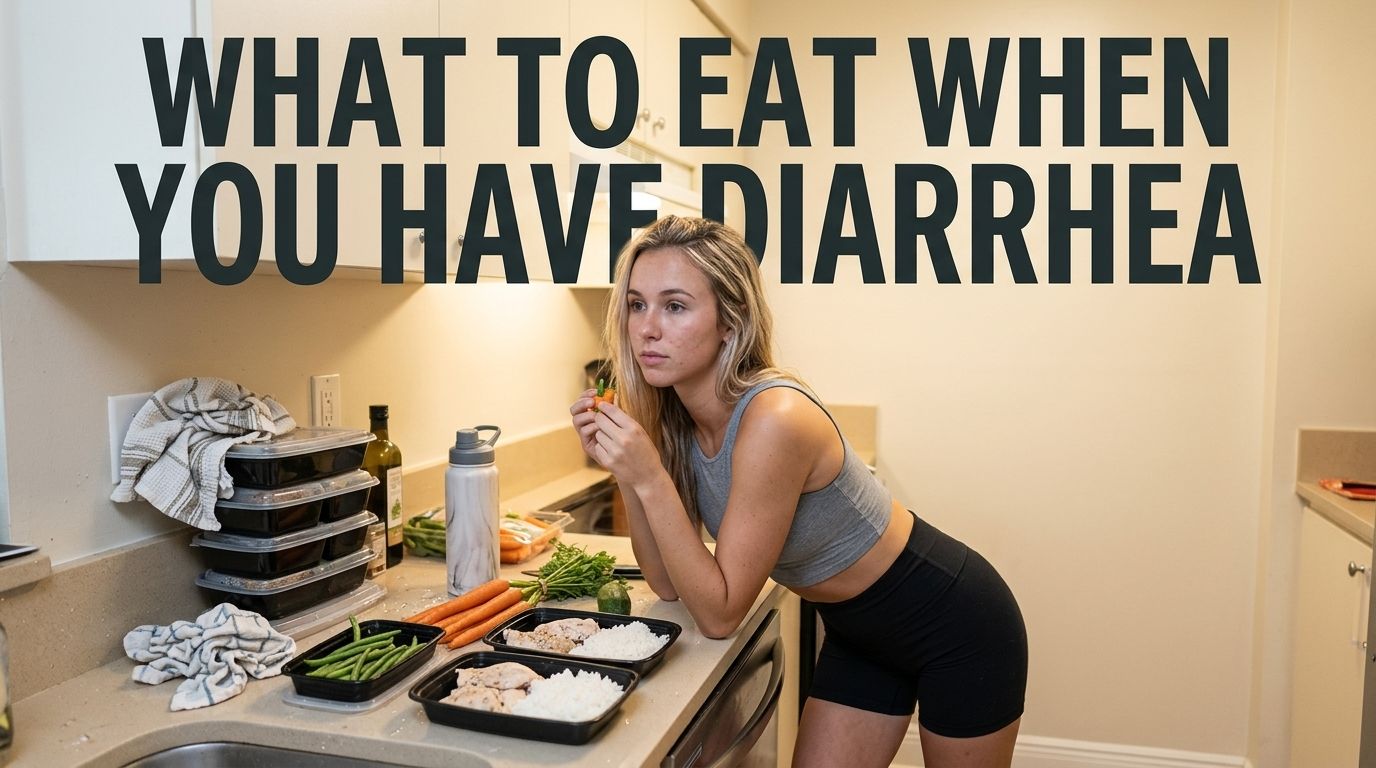
When diarrhea strikes, the right foods slow gut transit, bind loose stool, and replace the potassium, sodium, and fluids lost with each episode. The wrong foods prolong symptoms by hours or days. Diet is the most direct tool available for managing acute diarrhea at home.
The BRAT diet — bananas, rice, applesauce, and toast — remains the most recommended starting point for adults. Bananas and applesauce contain pectin, which absorbs intestinal fluid and firms stool. Plain white rice and toast add bulk without stimulating gut movement. Within 24 to 48 hours, lean protein sources like eggs and boiled chicken should be added. Staying hydrated with oral rehydration solutions and clear broths — not plain water alone — prevents the electrolyte depletion that makes diarrhea dangerous.
This guide covers the full diarrhea diet: what to eat and drink, what to avoid, common recovery mistakes, when to see a doctor, and how to use probiotics to restore gut health after illness or antibiotics.
What Is Diarrhea and Why Does Diet Matter?
Diarrhea is the passage of loose, watery stools occurring more frequently than normal — typically three or more times per day — caused by the intestines moving waste too quickly for water and nutrients to be absorbed. Diet matters because what a person eats during a bout of diarrhea directly affects how fast the intestines can slow down, firm up stool, and restore normal function. The wrong foods accelerate gut transit and prolong symptoms; the right ones help bind stool and give the digestive tract a chance to recover.
The digestive system during diarrhea is inflamed and overactive. Foods that require significant digestion — high-fat, high-fiber, or highly spiced — demand more work from an already stressed gut. Bland, low-fiber, easily digestible foods minimize that demand and create the conditions for recovery.
The primary nutritional goals during diarrhea are three things: give the gut a rest, firm up stool consistency, and replace lost fluids and electrolytes before dehydration sets in. Diet is the most direct lever available for all three of these goals during the acute phase.
What Causes Diarrhea and How Long Does It Last?
Diarrhea is most commonly caused by viral infections, bacterial infections from food poisoning, food intolerances, medications (especially antibiotics), and irritable bowel syndrome — with most acute cases resolving within one to three days without medical treatment. Viral gastroenteritis, sometimes called stomach flu, is the most frequent trigger. Bacterial infections from contaminated food typically cause more intense, shorter-duration episodes.
Medication-related diarrhea is a common and often overlooked cause. Antibiotics disrupt the gut microbiome by killing beneficial bacteria alongside harmful ones. This disruption speeds intestinal transit and reduces stool consistency, often lasting for the full course of antibiotic treatment and a few days beyond.
Diarrhea lasting more than three days, or that comes with high fever, blood in stool, or signs of dehydration, crosses from typical acute illness into territory requiring medical evaluation. The dietary approach covered here applies to standard short-term diarrhea in otherwise healthy adults.
What Nutrients Does Diarrhea Deplete?
Diarrhea depletes potassium, sodium, and fluids rapidly, with potassium losses posing the most significant risk because this electrolyte controls muscle function, nerve signaling, and heart rhythm. Frequent watery stools carry these minerals out of the body faster than normal diet can replace them. Low potassium — called hypokalemia — causes weakness, fatigue, and in severe cases, cardiac irregularities.
Sodium losses matter alongside potassium. Sodium regulates fluid balance and helps the body retain the water it is consuming. Without adequate sodium replacement, even aggressive fluid intake may not fully correct dehydration. This is why plain water alone is insufficient rehydration during significant diarrhea.
Calories and protein also become concerns during extended bouts. The BRAT diet and similar bland approaches are intentionally low in nutrients — they are short-term tools, not complete nutrition plans. Reintroducing protein sources like eggs and lean chicken within one to two days prevents unnecessary muscle breakdown during recovery.
What Foods Should You Eat When You Have Diarrhea?
The best foods to eat when experiencing diarrhea are bland, low-fiber, easily digestible options that bind stool, reduce gut motility, and provide potassium and calories without triggering further irritation or inflammation in the digestive tract. These foods share a common profile: minimal fat, minimal fiber, minimal spice, and simple carbohydrate structures the gut can process with little effort. Starting with these foods within the first few hours of symptoms gives the intestines the best chance to stabilize.
Eating small, frequent amounts rather than large meals reduces the volume load on the digestive system at any one time. Five to six small portions throughout the day are better tolerated during acute diarrhea than three standard meals. This approach maintains caloric and electrolyte intake without overstimulating gut movement.
Best Foods to Eat with Diarrhea:
- Bananas: pectin binds stool, potassium replaces lost electrolytes
- Plain white rice: low-fiber, stool-bulking, easy to digest
- Unsweetened applesauce: pectin content, gentle energy source
- Plain white toast or saltine crackers: low-fiber, absorbs excess liquid
- Boiled or baked potato (skin removed): potassium, easy to digest
- Scrambled or hard-boiled eggs: protein without fat load
- Lean boiled or baked chicken (no skin): protein, low fat
- Oatmeal or cream of wheat (water-cooked): soluble fiber, absorbs gut fluid
What Is the BRAT Diet and Does It Work?
The BRAT diet is a four-food protocol — bananas, rice, applesauce, and toast — that works by providing low-fiber, binding foods that slow gut transit, absorb excess intestinal fluid, and firm up loose stool without demanding significant digestive effort. Each food contributes specifically. Bananas and applesauce contain pectin, a soluble fiber that absorbs water in the colon and helps thicken stool. Plain white rice and white toast are low in fiber and bulk up stool volume without stimulating gut motility.
The BRAT diet works for short-term diarrhea relief but is not nutritionally complete. It is low in protein, fat, and most vitamins and minerals. This means it functions as a first-response tool — not a diet to follow for more than one to two days. After initial improvement, the goal is expanding to lean protein and cooked vegetables as quickly as tolerated.
Note: current pediatric guidelines no longer recommend the BRAT diet for children with diarrhea, as early refeeding with age-appropriate foods is now preferred. For adults, the BRAT approach remains a practical and widely recommended short-term option for managing acute symptoms.
What Other Bland Foods Help with Diarrhea?
Beyond the BRAT foods, a range of bland, low-fat options can be added within 24 to 48 hours as symptoms improve, including scrambled eggs, lean boiled chicken, plain oatmeal, smooth peanut butter, plain crackers, boiled potatoes without skin, and low-fat yogurt with live cultures. The transition from BRAT-only to a broader bland diet is the critical recovery step that prevents unnecessary nutritional depletion.
Eggs deserve special attention here. Scrambled, poached, or hard-boiled eggs provide complete protein with minimal fat when cooked without butter, oil, or cheese. Protein supports gut lining repair and prevents muscle catabolism during extended illness. Including eggs within the first 24 to 48 hours of a diarrhea episode provides meaningful nutritional value without setting back recovery.
Smooth peanut butter on plain white toast is another practical option. The protein and healthy fat in peanut butter add calories and staying power without triggering gut motility. The key is using smooth — not crunchy — varieties, as the texture of nut pieces can irritate an inflamed digestive tract. Plain crackers and peanut butter also serve as effective small-portion snacks throughout the day.
Bland Foods Safe to Add After 24 to 48 Hours:
- Scrambled or hard-boiled eggs (no butter or oil)
- Lean boiled or baked chicken breast (no skin or seasoning)
- Plain oatmeal or cream of wheat (cooked with water)
- Smooth peanut butter on white toast
- Canned fruit in water or juice (not syrup)
- Well-cooked carrots, green beans, or asparagus tips
- Low-fat yogurt with live active cultures
- White pasta (plain, no sauce)
What Should You Drink When You Have Diarrhea?
Fluid replacement during diarrhea is the single most urgent nutritional priority, with water, clear broths, and oral rehydration solutions being the most effective drinks for replacing lost fluids and electrolytes and preventing dehydration. Plain water hydrates but does not replace sodium or potassium lost in stool. Drinking water alone during significant diarrhea can dilute remaining electrolytes further without restoring the balance the body needs to retain fluid at the cellular level.
Drinking fluids between meals rather than with meals is the recommended approach. Consuming large volumes of liquid with food can dilute digestive processes and increase gut transit speed. Small, frequent sips throughout the day between eating periods maintain fluid intake without this risk.
Room-temperature liquids are better tolerated than hot or icy cold drinks during acute diarrhea. Temperature extremes can stimulate gut contractions. Water, broth, and electrolyte drinks at room temperature or slightly cool reduce the chance of triggering additional bowel activity.
What Electrolyte Drinks Help with Recovery?
Oral rehydration solutions (ORS) are the gold standard for electrolyte replacement during diarrhea because they contain a precise sodium-to-glucose ratio that activates a sodium-glucose cotransporter in the gut, dramatically improving fluid and electrolyte absorption even when the intestines are inflamed. The sodium in oral rehydration solutions slows fluid loss and promotes retention. The glucose facilitates sodium uptake — without glucose, sodium absorption during diarrhea is significantly less efficient. This is the science behind why sports drinks and broths outperform plain water.
Commercially prepared sports drinks like Gatorade or Pedialyte provide a practical ORS alternative for most adults. They contain sodium, potassium, and glucose in proportions that support rehydration. Pedialyte has a lower sugar content and higher electrolyte concentration than most sports drinks, making it the stronger clinical choice, especially for significant dehydration.
Clear broths — chicken, beef, or vegetable — serve a double function. They provide sodium for fluid retention and deliver warmth and comfort with minimal digestive demand. Chicken noodle soup has long been the default ‘sick food’ for good reason: the sodium in the broth plus simple carbohydrates from the noodles hit both rehydration and bland nutrition goals simultaneously.
Recommended Drinks for Diarrhea:
- Water (room temperature, sipped frequently)
- Oral rehydration solution (Pedialyte or equivalent)
- Clear broth: chicken, beef, or vegetable
- Sports drinks (Gatorade — lower sugar preferred)
- Decaffeinated herbal tea
- Diluted fruit juice (no pulp, no citrus)
- Ice pops or popsicles (plain fruit-flavored, low sugar)
What Foods Should You Avoid When You Have Diarrhea?
Foods to avoid during diarrhea include anything fried, fatty, spicy, high in fiber, or high in sugar — as these stimulate gut motility, increase intestinal secretion, or irritate an already inflamed digestive lining and reliably worsen or prolong symptoms. This list covers most of the standard American diet, which is why diarrhea recovery requires deliberate food choices rather than eating normally. Trigger foods during acute illness can set recovery back by 24 hours or more with a single meal.
Fat is one of the most potent gut motility stimulants. Fried foods, fatty sauces, gravies, greasy fast food, and full-fat dairy all trigger the gastrocolic reflex — the signal that moves food through the colon after a fat-rich meal. During diarrhea, this reflex is already overactive. Adding dietary fat accelerates it further.
Foods to Avoid with Diarrhea:
- Fried and greasy foods: fries, chips, pizza, burgers
- Spicy foods and hot sauces
- High-fiber vegetables: broccoli, cabbage, peas, beans, corn
- Dairy products (except low-fat yogurt with live cultures)
- Citrus fruits: oranges, grapefruits, lemons
- Added sugars and artificial sweeteners (sorbitol, mannitol, erythritol)
- Caffeinated drinks: coffee, energy drinks, black tea
- Carbonated beverages: soda, sparkling water
- Alcohol
- Raw vegetables with high fiber or seeds
Why Does Dairy Make Diarrhea Worse?
Dairy products worsen diarrhea in most cases because the intestinal inflammation associated with diarrhea temporarily reduces the production of lactase — the enzyme that breaks down lactose in milk — creating a transient lactose intolerance even in people who normally tolerate dairy well. Without sufficient lactase, lactose passes undigested into the colon, where gut bacteria ferment it, producing gas, bloating, cramping, and additional fluid secretion that increases stool frequency and liquidity.
This is not a permanent intolerance for most people. Lactase production typically recovers as gut inflammation resolves, usually within a few days after diarrhea ends. The recommendation to avoid dairy during diarrhea is temporary — not a signal that dairy needs to be eliminated long-term.
The exception is low-fat yogurt with live active cultures. Yogurt contains live lactobacillus bacteria that aid digestion and may actually support gut recovery. The live cultures also partially pre-digest the lactose in yogurt, making it better tolerated than milk, cheese, or ice cream during a diarrheal episode. Choose plain, unsweetened yogurt to avoid added sugar loads.
Which Fruits and Vegetables Should You Skip?
High-fiber fruits and vegetables should be avoided during diarrhea because insoluble fiber accelerates gut transit, adds bulk that worsens loose stools, and in the case of gas-producing vegetables, increases intestinal fermentation and cramping. This includes broccoli, cabbage, cauliflower, peas, beans, lentils, corn, and most raw vegetables. These foods are nutritious under normal circumstances but counterproductive during acute diarrheal illness.
Citrus fruits — oranges, grapefruits, lemons, limes — add an additional layer of irritation beyond their fiber content. The acidity directly stimulates the gut lining, which is already sensitized during diarrhea. Prunes and prune juice have a well-known laxative effect and must be avoided completely during any episode of loose stools.
Fruits to prioritize during recovery include ripe bananas, unsweetened applesauce, canned peaches or pears (in water, not syrup), and melon. These provide soluble pectin fiber, gentle natural sugars, and potassium without triggering the motility or fermentation effects of high-fiber or citrus options.
What Are Common Mistakes When Eating with Diarrhea?
The most common mistake during diarrhea is returning to a normal diet too quickly after symptoms ease, which overloads the still-sensitive gut and triggers a relapse of loose stools before the intestinal lining has had time to fully recover. Feeling better after 12 to 24 hours on a bland diet does not mean the gut is fully healed. Jumping to a full meal, spicy food, or high-fiber vegetables the moment symptoms subside regularly extends the overall recovery time.
A second widespread mistake is relying on plain water alone for hydration. Water rehydrates but does not replace sodium or potassium. People who drink large quantities of water without consuming sodium during significant diarrhea can experience hyponatremia — low blood sodium — which causes headache, confusion, and weakness. Broth, oral rehydration solutions, or sports drinks are essential companions to water intake.
The third mistake is avoiding all food entirely. Complete food restriction, while intuitive during nausea and gut discomfort, deprives the body of the soluble fiber, potassium, and calories needed to actually slow gut transit and begin recovery. The BRAT foods can and should be introduced within a few hours of initial symptoms, even in small amounts.
Common Diarrhea Diet Mistakes:
- Returning to normal foods too quickly after symptoms ease
- Drinking only plain water without electrolyte replacement
- Avoiding all food instead of starting bland foods within hours
- Eating dairy other than plain yogurt with live cultures
- Drinking coffee or caffeinated beverages to manage fatigue
- Choosing sugar-free foods with sorbitol or mannitol as sweeteners
- Eating large meals instead of small, frequent portions
When Should You See a Doctor About Diarrhea?
Diarrhea requires medical attention when it lasts more than three days without improvement, is accompanied by high fever above 38.5°C (101.5°F), contains blood or mucus in the stool, or causes signs of dehydration including dark urine, dizziness, or significant weakness. These symptoms indicate the diarrhea may be caused by a bacterial infection requiring antibiotics, a more serious gastrointestinal condition, or a level of dehydration severe enough to need intravenous fluids.
Children require faster medical escalation. A child with diarrhea needs urgent evaluation if the child is under six months old, has not had a wet diaper in six or more hours, has a sunken fontanelle, or appears lethargic and unresponsive. Infants and toddlers dehydrate much faster than adults and can deteriorate quickly.
Adults with underlying conditions — diabetes, inflammatory bowel disease, immune compromise, kidney disease, or those taking immunosuppressants — should have a lower threshold for seeking care. Diarrhea in these populations can escalate faster and interact with medication absorption and chronic disease management in ways that require clinical oversight.
How Long Does a Diarrhea Diet Need to Last?
A diarrhea-specific bland diet typically needs to last 24 to 48 hours after symptoms resolve, with most people able to begin cautiously reintroducing normal foods within two to three days of the initial onset assuming no complications develop. The total duration depends on the cause and severity. Viral gastroenteritis typically resolves in one to three days, allowing a relatively quick return to normal eating. Antibiotic-related diarrhea may persist for the full antibiotic course and require a longer bland diet phase.
The timeline is not fixed — symptoms guide the pace. If reintroducing a new food category causes a return of loose stools, the appropriate response is stepping back to bland foods for another 12 to 24 hours before trying again. Listening to gut response rather than following a rigid schedule prevents setbacks.
How Do You Transition Back to Normal Foods?
The transition back to a normal diet should follow a stepwise approach: start with BRAT foods, add lean protein and cooked vegetables within 24 to 48 hours, then reintroduce whole grains, raw vegetables, and dairy over the following two to three days once stool consistency fully normalizes. Each new food category gets one to two meals as a trial before adding the next. This staged approach lets the gut signal clearly if a particular food category is not yet tolerated.
Fatty foods, alcohol, spicy meals, and raw high-fiber vegetables are the last categories to reintroduce — not the first. These trigger gut motility most strongly and carry the highest relapse risk if introduced before the intestines have fully recovered. Most people can return to their full normal diet within four to seven days of an acute diarrhea episode.
Keeping a simple food diary during recovery helps identify any specific triggers. Some people discover that their diarrhea was partly triggered by a specific food — lactose, sorbitol, gluten, or a particular vegetable — that they can now intentionally limit going forward. Our coaches at Eat Proteins recommend this tracking step for anyone who experiences recurring gut issues.
Do Probiotics Help You Recover from Diarrhea?
Yes. Probiotics support diarrhea recovery by reintroducing beneficial gut bacteria that diarrhea and antibiotics deplete, with clinical evidence showing that certain probiotic strains — particularly Lactobacillus rhamnosus and Saccharomyces boulardii — can reduce the duration of acute infectious diarrhea by approximately one day. The live bacteria in probiotic foods and supplements help restore the gut microbiome balance that healthy digestion depends on.
Yogurt and kefir are the most accessible food-based probiotic sources. Both are fermented dairy products containing live cultures. Despite dairy generally being on the avoidance list during diarrhea, low-fat plain yogurt is an exception — the live cultures partially digest the lactose and simultaneously seed the gut with beneficial bacteria. Choose yogurt with minimal sugar and confirmed live active cultures on the label.
Probiotic supplementation is particularly valuable after antibiotic courses. Antibiotics clear beneficial bacteria alongside harmful ones, and this disruption can persist for weeks without active microbiome restoration. Our nutritionists at Eat Proteins recommend beginning a high-quality probiotic supplement the same day an antibiotic course starts — not waiting until it ends — to minimize the microbiome disruption that causes antibiotic-associated diarrhea.
Probiotic Sources That Help with Diarrhea Recovery:
- Plain low-fat yogurt with live active cultures
- Kefir (low-sugar fermented milk drink)
- Probiotic supplements: Lactobacillus rhamnosus GG, Saccharomyces boulardii
- Kombucha (low sugar — check label)
- Miso soup (gentle on the gut, contains live cultures)
Want a Free Gut Health Guide from Eat Proteins?
You have the full picture: what to eat, what to drink, what to avoid, and when to call a doctor. Now put it into a system that works beyond the recovery phase.
Our nutritionists at Eat Proteins built a free gut health guide that covers the exact foods, meal timing strategies, and probiotic protocols our coaches use with clients managing digestive health long-term. It goes beyond the bland diet — it builds the gut resilience that prevents recurring episodes.
Don’t stop at recovery. Get the guide that builds lasting digestive strength, sent straight to your inbox when you sign up below.