
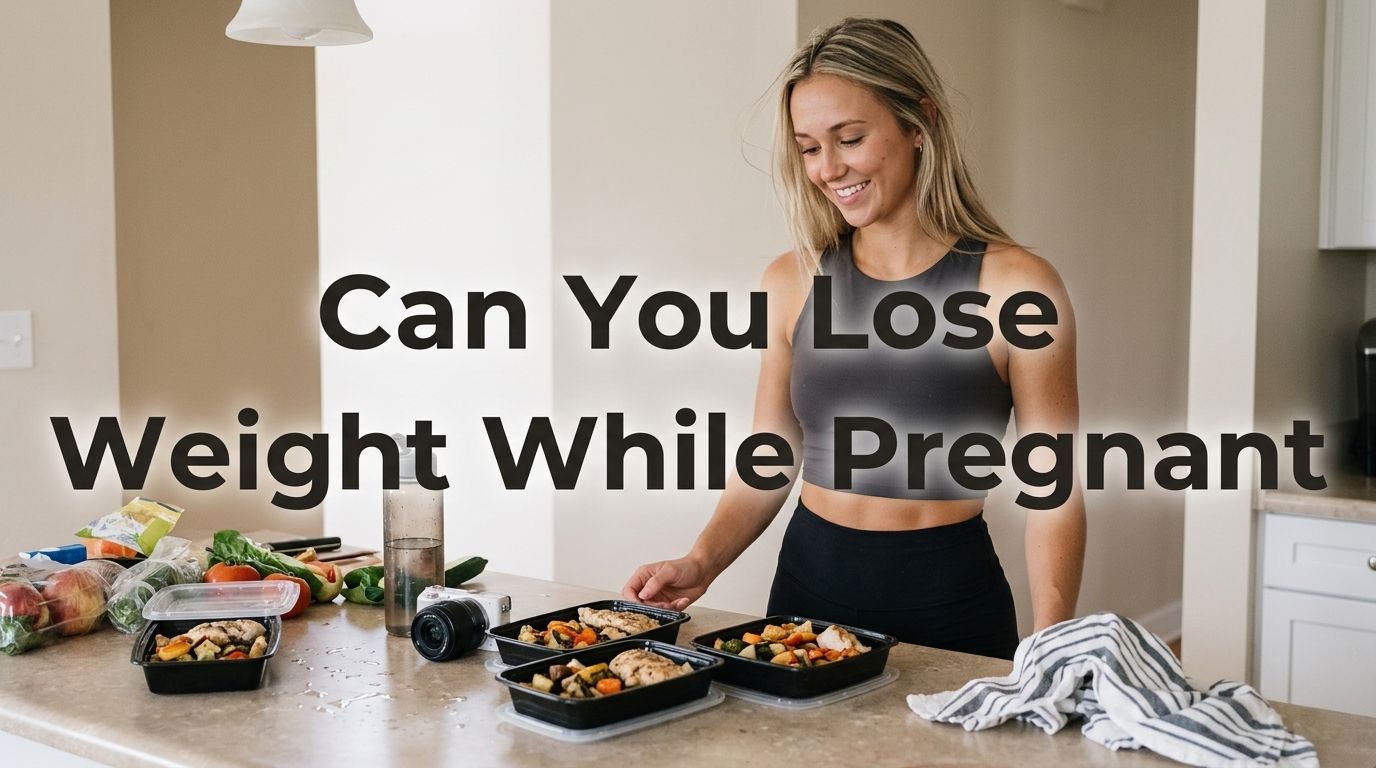
Weight loss during pregnancy is a common concern, especially for women who begin pregnancy with overweight or obesity. The medical consensus is that intentional weight loss is generally not recommended, but the picture is more nuanced than a simple yes or no.
Mild, unintentional weight loss in the first trimester is normal and resolves as nausea improves. For women with obesity, preventing excessive gain rather than losing weight is the clinical goal. Diet and exercise interventions reduce excess gain and lower cesarean delivery risk, but the target is always nutrient support for the fetus first.
This guide covers what causes natural pregnancy weight loss, when it becomes dangerous, how much weight to gain by BMI, which myths to ignore, and how to manage weight safely throughout all three trimesters with guidance from providers and our team at Eat Proteins.
Can You Lose Weight While Pregnant?
Weight loss during pregnancy is generally not recommended because it can harm the baby by depriving the fetus of nutrients required for growth and development. Here’s the thing though: unintentional mild weight loss in the first trimester is a different story. It’s common, it’s monitored by providers, and it usually corrects itself once nausea subsides.
Weight management and weight loss are not the same thing. Weight management focuses on healthy trends and preventing excess gain. Weight loss aims to reduce body mass, and that conflicts directly with the increased nutritional demands of pregnancy. One is safe. The other isn’t.
Why Does Pregnancy Cause Weight Gain?
Pregnancy weight gain reflects the physical demands of supporting a growing baby, including the placenta, amniotic fluid, increased blood volume, uterine growth, and maternal fat stores needed for breastfeeding. These aren’t optional additions. They’re biologically required for a healthy pregnancy.
Most of this gain happens in the second and third trimesters. The baby grows most rapidly in the final two months of pregnancy, and maternal tissue expands to support that accelerated development.
When Is Weight Loss Natural During Pregnancy?
Losing 1 to 5 lbs (0.45 to 2.3 kg) in the first trimester is considered natural and is caused by nausea, food aversions, and reduced appetite that temporarily lower daily caloric intake below maintenance levels. Providers monitor this trend rather than intervene, and most women regain the weight once nausea improves.
Natural weight loss triggers in early pregnancy include reduced appetite, food aversions, morning sickness, and heightened smell sensitivity. These causes are physiological, not behavioral. And they resolve without any caloric restriction strategy needed.
Is It Safe to Lose Weight While Pregnant?
No. Intentional weight loss during pregnancy is generally unsafe because it risks delivering a low birth weight baby and depriving the fetus of essential nutrients at critical development stages. Most research supports weight maintenance as the safest approach, particularly for women with overweight or obesity.
Obesity during pregnancy is linked to preeclampsia, preterm birth, gestational diabetes, and blood clots. Is that a reason to try losing weight? No. For women in this group, the goal is preventing excessive gain, not achieving weight reduction. That distinction matters to both mother and baby.
Weight loss during pregnancy is also associated with low birth weight outcomes. Providers must balance the risks of excess gain against the risks of insufficient intake. It’s a narrow window, and only a care team can manage it safely.
What Do Doctors Recommend for Pregnancy Weight?
Doctors recommend gaining weight within established BMI-based ranges, monitoring trends at every prenatal visit, and adjusting diet quality rather than restricting total calories. The focus is on what goes into the body, not on reducing what the body weighs.
In plain English: a breakfast of eggs, whole-grain toast, and fruit supports better nutrition than larger portions of low-nutrient foods. Snacks like yogurt, nuts, and hummus with vegetables add protein, fiber, and healthy fats that meet both maternal and fetal needs throughout the day.
When Might a Doctor Allow Weight Loss?
For women with obesity at BMI 30 or above, some providers may approve weight maintenance or very minimal gain rather than targeting the standard upward weight gain ranges, but this always requires direct medical supervision. No provider should be approving active weight loss without continuous monitoring of both mother and fetus.
Any deviation from standard weight gain guidelines requires collaboration with an OB-GYN or obesity medicine specialist. These providers monitor growth charts, assess nutrition quality, and screen for complications throughout the pregnancy. This isn’t a solo project.
What Causes Natural Weight Loss in Early Pregnancy?
Nausea, vomiting, appetite changes, heightened smell sensitivity, and metabolism shifts are the most common causes of unintentional weight loss in the first trimester, all of which temporarily reduce daily caloric intake below maintenance levels. These are hormonal responses, not signs of a problem when they stay mild.
Food aversions and nausea lead women to eat smaller portions or avoid specific foods entirely. The result is a temporary reduction in calories. Providers track this trend and intervene only if loss becomes significant or continues past the first trimester.
Does Morning Sickness Cause Weight Loss?
Yes. Morning sickness reduces food tolerance and caloric intake, which causes mild weight loss of 1 to 5 lbs (0.45 to 2.3 kg) in the first trimester for many pregnant women. Providers monitor this loss rather than treat it when it stays within normal bounds and nausea is improving.
Now here’s the thing: hyperemesis gravidarum is a severe form of morning sickness involving persistent, uncontrollable vomiting. It causes significant weight loss and requires medical treatment including IV fluids or anti-nausea medication. It’s not the same as typical morning sickness, and it cannot be managed at home.
How Do Appetite Changes Affect Pregnancy Weight?
Appetite changes in early pregnancy lower caloric intake by making previously tolerable foods unappetizing, which reduces daily energy consumption and contributes to first-trimester weight loss. As nausea subsides in the second trimester, appetite typically strengthens and weight rises more steadily.
Heightened smell sensitivity during early pregnancy makes certain foods repulsive even when hunger is present. This sensory shift further reduces food intake and compounds the appetite-suppressing effects of nausea. Most women find it resolves significantly by week 14 to 16.
Can You Intentionally Lose Weight While Pregnant?
Intentional weight loss during pregnancy is technically possible through caloric restriction and exercise, but it’s not recommended because it risks nutrient deprivation and low birth weight outcomes for the baby. The medical consensus is clear: the fetus needs consistent nutrient supply, and active weight loss strategies cannot guarantee that.
Here’s what the research actually shows: a 2017 review found that a healthy diet and exercise during pregnancy reduces excess weight gain and lowers the risk of cesarean delivery. The intervention targets excess gain, not weight reduction. That distinction matters clinically. Want to get a proven weight management plan built for this? Our coaches at Eat Proteins can help.
Why Is Traditional Dieting Unsafe During Pregnancy?
Traditional dieting during pregnancy restricts calories at a time when the fetus requires consistent nutrient supply for brain, organ, and bone formation, creating deficits that can cause lasting developmental harm. Nutrient quality cannot compensate for inadequate total intake at critical developmental windows.
Rapid weight loss during pregnancy often means the body is losing water, muscle, or key nutrients rather than fat. Women experiencing this report dizziness, headaches, and difficulty concentrating as the body struggles to sustain both maternal and fetal demands.
All weight loss medications are contraindicated during pregnancy. GLP-1 receptor agonists, phentermine, and herbal weight loss supplements all carry documented fetal risks. Phentermine has been associated with fetal stroke in published case reports.
Weight Loss Medications Contraindicated During Pregnancy:
- GLP-1 receptor agonists (e.g. semaglutide, tirzepatide)
- Phentermine (Adipex, Suprenza) — linked to fetal stroke
- Herbal weight loss supplements — linked to miscarriage
- Hydrogel devices (e.g. Plenity)
What Does Controlled Weight Management Mean?
Controlled weight management during pregnancy means eating at regular intervals, choosing nutrient-rich foods, and staying active to prevent excessive gain without reducing body mass below safe levels. The goal is to meet recommended gain ranges, not to minimize total weight.
Providers review growth charts, assess meal quality, and adjust portion timing to keep gains within healthy bounds. Controlled management is an active, monitored process. It’s not passive observation. And it’s not permissive eating either.
How Do You Manage Weight Safely During Pregnancy?
Safe pregnancy weight management centers on whole, balanced meals, moderate approved physical activity, regular prenatal check-ins, and consistent eating rhythms that prevent the long gaps between meals that trigger overeating. No single strategy works in isolation. The approach is systemic.
Nutrient-dense eating is the foundation. Focusing on satisfying, high-quality meals helps manage hunger, supports fetal growth, and prevents excess gain. What goes in matters more than how much. This is where most pregnancy nutrition plans fall short.
What Foods Support a Healthy Pregnancy Weight?
Eggs, whole-grain bread, fruit, yogurt, nuts, hummus, and vegetables provide protein, fiber, and healthy fats that support satiety and fetal development without contributing excess caloric load that drives unwanted weight gain. These foods address both maternal hunger and the baby’s nutrient needs simultaneously.
Pregnancy-Friendly Foods for Healthy Weight:
- Eggs — high protein, supports fetal brain development
- Whole-grain bread and crackers — fiber and sustained energy
- Greek yogurt — protein and calcium in compact portions
- Nuts and nut butters — healthy fats and portable snacks
- Hummus with vegetables — protein, fiber, and micronutrients
- Fresh fruit — natural sugars with vitamins and hydration
- Leafy greens — folate, iron, and calcium
Eating frequent, smaller meals throughout the day stabilizes blood sugar, reduces nausea, manages hunger, and prevents the overeating episodes that accumulate into excess weight gain. Meal regularity is a more effective weight strategy during pregnancy than caloric tracking.
Staying adequately hydrated supports metabolism, reduces water retention, and helps distinguish hunger from thirst. Dehydration is frequently misread as hunger. That misread leads to excess caloric intake. It’s an easy fix with significant impact.
What Exercises Are Safe During Pregnancy?
Walking, swimming, prenatal yoga, and low-impact aerobics are considered safe during most pregnancies, with 30 minutes of moderate daily activity representing the widely recommended guideline for pregnant women. These activities support cardiovascular health, weight management, and mood without placing stress on the growing abdomen.
Pregnancy-Safe Exercise Options:
- Walking (30 min/day, moderate pace)
- Swimming and water aerobics (low joint stress)
- Prenatal yoga (flexibility and stress relief)
- Low-impact aerobics (provider-approved classes)
- Stationary cycling (controlled intensity)
- Light strength training (avoid heavy loads after first trimester)
And here’s the best part: a 2012 BMJ study found that diet and exercise interventions during pregnancy reduce preeclampsia risk by 33% and gestational diabetes risk by 61%. The benefit comes from consistent moderate activity, not high-intensity weight-loss training.
What Are the Warning Signs of Dangerous Weight Loss?
Dangerous pregnancy weight loss is signaled by loss that continues past the first trimester, severe nausea with inability to keep food down, dizziness, persistent fatigue, loss of appetite, and rapid heartbeat or palpitations. Any combination of these symptoms requires prompt contact with a prenatal care provider.
Weight loss that feels significant relative to usual body patterns, or any loss paired with new symptoms like headaches or fainting, needs immediate medical attention. These are not self-resolving situations. Fetal development depends on consistent maternal nutrient availability.
Red Flags That Require Immediate Provider Contact:
- Weight loss continuing past the first trimester
- Severe nausea with inability to keep food down
- Dizziness or fainting episodes
- Persistent fatigue that worsens over time
- Rapid heartbeat or palpitations
- Headaches that don’t resolve with rest or hydration
- Loss of appetite lasting more than a few days
Which Medical Conditions Cause Pregnancy Weight Loss?
Hyperemesis gravidarum is the most common medical cause of significant pregnancy weight loss, producing severe and persistent nausea and vomiting that requires medical intervention including IV fluids or prescription anti-nausea medication. It’s distinct from typical morning sickness in its severity and duration.
Uncontrolled thyroid disorders and unmanaged type 1 diabetes can both cause unintentional weight loss during pregnancy by disrupting metabolic regulation. These conditions require active management throughout the pregnancy, not just monitoring.
Gastrointestinal conditions that reduce nutrient absorption or cause persistent digestive symptoms can prevent adequate caloric intake and trigger weight loss. Providers assess these conditions and adjust nutritional support strategies to compensate for reduced absorption.
Medical Conditions That Can Cause Pregnancy Weight Loss:
- Hyperemesis gravidarum (severe persistent vomiting)
- Thyroid disorders (hyperthyroidism)
- Uncontrolled type 1 diabetes
- Gastrointestinal conditions affecting absorption
- Chronic infections or illness
When Should You Call Your Doctor About Weight Loss?
Contact a provider immediately if weight loss continues into the second trimester, if more than 5 lbs (2.3 kg) is lost in the first trimester, or if dizziness, fainting, or severe vomiting accompany the loss. These thresholds signal that the pregnancy needs active intervention, not monitoring.
Doctors monitor fetal growth via ultrasound more frequently when maternal weight loss occurs. Why does that matter? Because it gives providers the data needed to intervene before the situation worsens. Frequent ultrasounds confirm the baby’s development is staying on track despite reduced maternal intake.
How Much Weight Should You Gain While Pregnant?
Recommended pregnancy weight gain varies by pre-pregnancy BMI: normal weight women should gain 25 to 35 lbs (11 to 16 kg), overweight women 15 to 25 lbs (7 to 11 kg), and women with obesity 11 to 20 lbs (5 to 9 kg). These ranges balance fetal development needs against maternal health risks at each starting point.
Most weight gain occurs in the second and third trimesters as fetal growth accelerates. The first trimester typically involves minimal gain or slight loss before the baby begins its rapid growth phase. Timing matters as much as the total numbers.
Recommended Pregnancy Weight Gain by BMI:
| Pre-Pregnancy BMI | BMI Range | Recommended Gain |
|---|---|---|
| Underweight | Below 18.5 | 28-40 lbs (13-18 kg) |
| Normal weight | 18.5-24.9 | 25-35 lbs (11-16 kg) |
| Overweight | 25-29.9 | 15-25 lbs (7-11 kg) |
| Obese | 30 and above | 11-20 lbs (5-9 kg) |
How Do Recommendations Change by Starting BMI?
Women with obesity at BMI 30 and above are advised to gain only 11 to 20 lbs (5 to 9 kg), while overweight women at BMI 25 to 29.9 should gain 15 to 25 lbs (7 to 11 kg), and normal weight women 25 to 35 lbs (11 to 16 kg). Lower ranges for higher BMIs reflect the additional tissue reserves already present at the start of pregnancy.
An obesity medicine specialist is a valuable care team member for high-BMI pregnancies. Monitoring for these patients extends beyond weight tracking to include sleep apnea screening, glucose tolerance testing, and cardiovascular health assessment. The care scope is broader.
What Are Common Pregnancy Weight Loss Myths?
Common pregnancy weight myths include eating for two requiring double portions, extreme weight loss being achievable and safe, detoxes and cleanses being beneficial, and skipping meals helping control weight. Each of these beliefs is clinically unsupported and potentially harmful to fetal development.
Pregnancy Weight Loss Myths to Ignore:
- Eating for two means doubling portions
- Extreme or fast weight loss is achievable during pregnancy
- Pregnancy hormones make weight loss impossible regardless of diet
- Detoxes and cleanses are safe and helpful during pregnancy
- Skipping meals helps ‘reset’ weight
- Influencer pregnancy diet hacks are based on clinical evidence
Influencer pregnancy diet advice frequently promotes restriction or detox protocols that lack clinical basis. These recommendations prioritize appearance outcomes over fetal health. Don’t follow any protocol your provider hasn’t approved explicitly.
Is Eating for Two Really Necessary?
No. The ‘eating for two’ concept is a myth. Pregnant women need only approximately 300 to 350 extra calories per day (1,255 to 1,465 kJ) in the second trimester, not double their normal intake. Consuming far beyond this drives the excess weight gain that creates complications.
What matters during pregnancy is quality over quantity. Nutrient-dense options like lean proteins, whole grains, and vegetables support the baby more effectively than simply increasing portion sizes of whatever is available. The meal composition changes. The total volume doesn’t double.
Want Your Free Healthy Pregnancy Nutrition Plan?
You have the science. Now you need the plan. Get the exact trimester-by-trimester nutrition guide our nutritionists at Eat Proteins built to help pregnant women hit every nutrient target without excess weight gain. No guesswork. No restriction. Just the right foods at the right times for you and your baby.
Most women don’t struggle because they lack willpower. They struggle because they lack structure. The free Eat Proteins pregnancy plan gives you meal templates, safe exercise guidelines, and nausea management strategies built for each trimester. What you eat in these months shapes your baby’s development for years. Don’t leave it to chance.
How Can Eat Proteins Help You Stay Healthy During Pregnancy?
Our nutritionists at Eat Proteins combine evidence-based clinical guidelines with personalized meal planning to help pregnant women hit their trimester-specific nutrition targets without accumulating excess weight that creates delivery complications. The approach is practical, not theoretical.
The free Eat Proteins pregnancy nutrition plan includes meal templates, safe exercise recommendations, and guidance on managing nausea without compromising fetal nutrient supply. It’s built for real pregnancy challenges, not ideal conditions. That’s the difference between a generic guide and one that actually works.